📅 Last updated:
If you have a diabetic cat, you have probably noticed the litter box before anything else. Excess glucose spills into the urine and pulls water with it, so diabetic cats drink more and pass much larger volumes. Before diagnosis, many owners describe clumps “the size of a fist” or a box that seems to fill in a day. After treatment starts, the litter box becomes one of the easiest ways to see whether control is improving. Choosing the right litter makes that monitoring easier and keeps the box usable for a cat that goes more often.
📋 Table of Contents
Quick answer: For most people in 2026, the best cat litter for cats with diabetes is the Unscented hard-clumping clay — our #1 rated choice. See the full ranked comparison, alternatives and buying advice below.
Why the litter box matters for diabetic cats
- Volume tracking: the size and number of clumps give a rough daily indication of urine output. As glucose control improves, clumps typically shrink back towards normal.
- Early warning of relapse: in cats in remission, a gradual return of large clumps can be the first sign that diabetes is coming back.
- Urinary infections: sugar in urine makes infections more likely. Straining, frequent small clumps or blood can signal a urinary tract infection.
- Mobility: diabetic neuropathy can weaken the hind legs, causing a flat-footed stance. Getting into a high box becomes harder.
Litter features to prioritise
See also: How to Pick a Heating Pad for an Arthritic Senior Dog • How to Transition a Picky Cat to a New Food
High absorbency and hard clumps
Large urine volumes overwhelm weak litters. A premium, fast-clumping, unscented litter forms solid clumps before urine reaches the tray floor, which keeps odour down and gives you clumps you can actually compare day to day.

Dr. Elsey's Ultra UnScented Clumping Clay Cat Litter 40 lb. Bag
Included for 'Best Cat Litter for Cats with Diabetes' as a relevant option in this category; details come from the product listing.
View on Amazon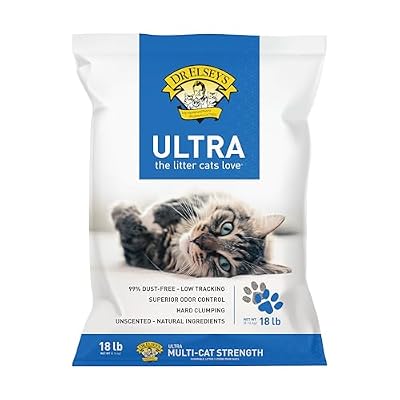
Dr. Elsey's Ultra Unscented Clumping Clay Cat Litter 18 lb Bag
Included for 'Best Cat Litter for Cats with Diabetes' as a relevant option in this category; details come from the product listing.
View on Amazon
Purina Tidy Cats Free and Clean Unscented Clumping Cat Litter, 38 lb Box
Included for 'Best Cat Litter for Cats with Diabetes' because the listing specifies 38 lb Box, details this guide uses to compare options.
View on Amazon
Purina Tidy Cats Free and Clean Unscented Clumping Cat Litter, 16 lb Bag
Included for 'Best Cat Litter for Cats with Diabetes' because the listing specifies 16 lb Bag, details this guide uses to compare options.
View on AmazonGlucose-indicating options
Some litters and litter additives change colour in the presence of urine glucose. Separate glucose test strips can also be dipped into fresh urine. These are screening tools, useful mainly for cats in remission or to flag a change between vet visits. They do not measure blood glucose and should never be used to adjust insulin doses. Blood glucose testing, at home or at the clinic, is what guides treatment.
Light colour, no fragrance
Light litter shows blood and unusual urine colour. Unscented litter avoids putting off a cat that already has to use the box more often.
Comparison table
| Litter or tool | Handles high volume | Monitoring value | Limits |
|---|---|---|---|
| Unscented hard-clumping clay | Excellent | Clump size and count | Heavy; dusty grades exist |
| Plant-based clumping | Good | Clump size and count | Clump strength varies |
| Glucose-indicator litter or additive | Varies | Flags glucose in urine | Screening only; not for dosing |
| Urine glucose/ketone strips | N/A | Glucose and ketones in a fresh sample | Needs sample collection; screening only |
| Silica crystals | Saturates faster | Poor for volume | Hard to judge output |
Box set-up for diabetic cats
- Extra boxes: a cat that urinates more often needs quick access. One per cat plus one, on every floor.
- Low entry: for cats with hind-leg weakness, an entry under about 10 cm helps.
- Larger trays: more litter surface area handles larger volumes.
- Scoop at least twice daily, and top up litter to keep a depth of about 5 cm.
- Keep a log: a quick note of clump count and approximate size each day is valuable at rechecks.
Ketones: know the warning signs
Ketone strips can detect ketones in urine. Ketones combined with vomiting, not eating, lethargy or rapid weight loss can indicate diabetic ketoacidosis, a medical emergency. If your diabetic cat is unwell and eating poorly, contact your vet immediately rather than relying on home tests.
Signs of too little glucose
Litter box monitoring focuses on high glucose, but low blood sugar from too much insulin is the more immediate danger. Weakness, wobbling, twitching, disorientation or seizures need emergency care. Your vet can tell you how to rub a small amount of corn syrup or glucose gel on the gums while you get to the clinic.
FAQ
Can I adjust insulin based on a glucose-indicator litter?
No. Urine glucose reflects hours of accumulated urine and does not show current blood glucose or low blood sugar. Insulin changes should be based on blood glucose readings and your vet’s instructions.
My diabetic cat’s clumps got smaller. Is that good?
Usually it suggests better glucose control, but it can also reflect dehydration if your cat is drinking less or unwell. Consider the whole picture, and contact your vet if your cat seems sick.
Bottom line
For a diabetic cat, choose an unscented, hard-clumping, light-coloured litter in generous, low-entry boxes, and use clump size as a daily progress indicator. Glucose-indicator litters and strips are handy screening tools, especially for cats in remission, but insulin decisions belong to blood glucose testing and your vet.
Ready to decide? Our #1 pick for 2026 is the Unscented hard-clumping clay.
Live price & availability on Amazon.