📅 Last updated:
Brushing a cat’s teeth every day is the gold standard of home dental care, and most owners find it anywhere from difficult to impossible. That is where dental supplements come in: water additives, food powders, oral gels and sprays designed to slow plaque without a toothbrush. Some have trial data behind them. None of them can reverse existing tartar or treat painful teeth. Used after a professional cleaning in a cat with a comfortable mouth, the right one can help keep the mouth healthier for longer.
📋 Table of Contents
Quick answer: For most people in 2026, the best cat supplement for cats with dental disease is the VOHC-accepted water additive — our #1 rated choice. See the full ranked comparison, alternatives and buying advice below.
What supplements can and cannot do
Plaque is a soft bacterial film that hardens into tartar within days. Supplements aim to slow plaque formation or reduce bacteria. They cannot remove hardened tartar, treat periodontal infection below the gumline, fix tooth resorption or relieve stomatitis. If your cat has bad breath, red gums, drooling or difficulty eating, see your vet first.

BestLife4Pets Cat Dental Care Supplement - 400 Pills
Included for 'Best Cat Supplement for Cats with Dental Disease' because the listing specifies 400 Pills, details this guide uses to compare options.
View on Amazon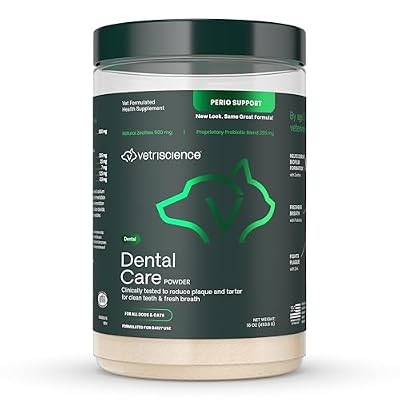
VetriScience Dental Care Powder, 16 oz
Included for 'Best Cat Supplement for Cats with Dental Disease' because the listing specifies 16 oz, details this guide uses to compare options.
View on Amazon
Probiora for Cats | Oral Care Probiotic Supplement | Pet Probiotics to Reduce Bad Breath | Cat Nutritional Supplement for Dental Health | 30 Servings (Jar) (30 Serving (Pack of 2), Jar)
Included for 'Best Cat Supplement for Cats with Dental Disease' because the listing specifies Oral Care Probiotic Supplement and Pet Probiotics to Reduce Bad Breath, details this guide uses to compare options.
View on AmazonTypes of dental supplements
See also: How to Pick a Heating Pad for an Arthritic Senior Dog • How to Transition a Picky Cat to a New Food
Water additives
Added to drinking water daily. Some contain enzymes or antimicrobial ingredients. A few have been accepted by the Veterinary Oral Health Council (VOHC) for plaque or tartar reduction. The drawback: some cats drink less if the water tastes different, which is a real concern for cats prone to urinary or kidney problems. Introduce slowly and keep a plain water bowl available if intake drops.
Seaweed-based food powders
Powders containing the kelp Ascophyllum nodosum are sprinkled on food. Studies, mainly in dogs and a smaller number in cats, suggest reductions in plaque and tartar. Seaweed contains iodine, so cats with hyperthyroidism or on thyroid treatment should only use these on vet advice.
Oral gels and sprays
Enzymatic gels or chlorhexidine-based products applied to the gums. Chlorhexidine is an effective antimicrobial and some products are made for pets, though the bitter taste can be a challenge. Enzymatic gels are milder and easier to apply.
Dental probiotics
Oral probiotic strains aim to crowd out harmful bacteria. Evidence in cats is still early.
Comparison table
| Supplement type | Effort level | Evidence | Key caution for cats |
|---|---|---|---|
| VOHC-accepted water additive | Very low | Moderate for accepted products | May reduce drinking; watch intake |
| Seaweed (A. nodosum) powder | Low | Moderate, more data in dogs | Iodine content; avoid with thyroid disease unless vet approves |
| Chlorhexidine gel or rinse | Medium | Good antimicrobial effect | Bitter taste; use pet formulations only |
| Enzymatic gel | Medium | Low to moderate | Works best with some rubbing |
| Dental probiotic | Low | Early | Unproven as a standalone |
Ingredients to avoid
- Human toothpaste: contains fluoride and foaming agents not meant to be swallowed.
- Xylitol: well known as highly toxic to dogs. Its safety in cats is less clearly established, and there is no reason to use it; avoid products containing it.
- Essential oils: tea tree, peppermint and others can be toxic to cats.
- Baking soda or home remedies: not effective and may upset the stomach.
Introducing a water additive without reducing drinking
Cats notice changes in water taste, and a cat that drinks less is at higher risk of urinary and kidney trouble. To avoid that, start with a quarter of the labelled dose in one bowl while leaving another bowl plain, then increase over two to three weeks. Note how often you refill each bowl. If the treated bowl is ignored, go back to a lower dose or switch to a food powder instead. Change treated water daily and wash bowls, since additives can leave a film. Water fountains can be used with some additives, but check the product label, as some can foam or affect pump filters.
Building a realistic home dental routine
- Start clean. A professional cleaning under anaesthesia, with dental X-rays, resets the mouth.
- Pick one supplement you can use consistently. Consistency beats intensity.
- Try brushing gradually. Even two or three times a week with a finger brush and pet toothpaste adds benefit.
- Consider a VOHC-accepted dental diet or treat for cats with healthy, comfortable mouths.
- Book annual dental checks, or more often if your cat has a history of gum disease.
FAQ
Can a water additive replace dental cleanings?
No. It can slow plaque build-up between cleanings, but it cannot remove tartar or treat disease under the gumline.
Are seaweed powders safe for all cats?
Generally well tolerated, but their iodine content means cats with hyperthyroidism, or on a therapeutic iodine-restricted diet, should only use them on vet advice.
Bottom line
The best dental supplement for your cat is one you will use every day and your cat will accept: a VOHC-accepted water additive if your cat keeps drinking normally, or a seaweed powder if your cat has no thyroid issues. Use them after a professional cleaning, pair them with brushing when possible, avoid human products and essential oils, and see your vet for any sign of mouth pain.
Ready to decide? Our #1 pick for 2026 is the VOHC-accepted water additive.
Live price & availability on Amazon.