📅 Last updated:
Supplements for sensitive feline stomachs mostly fall into four groups: probiotics, prebiotic fibre, digestive enzymes and vitamin B12. Only some of these have good evidence in cats, and only one of them, B12, is something your vet can actually measure a need for. Used thoughtfully they can support a cat recovering from an upset or living with chronic gut disease. Used as a first response to frequent vomiting, they can delay a diagnosis that matters.
📋 Table of Contents
Quick answer: For most people in 2026, the best cat supplement for cats with sensitive stomach is the Probiotic (pet-specific strains) — our #1 rated choice. See the full ranked comparison, alternatives and buying advice below.
Before any supplement: the vet question
Cats that vomit more than about once a week, have diarrhoea for more than a few days, lose weight or lose appetite should be examined. Chronic gut signs in cats are commonly caused by inflammatory bowel disease, food intolerance or allergy, parasites, and in older cats, intestinal lymphoma, hyperthyroidism or kidney disease. Supplements do not treat any of these directly, although several are used as part of treatment plans.
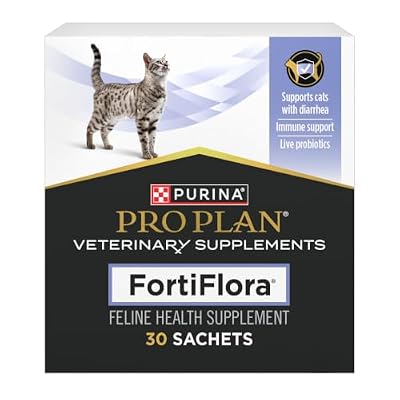
Purina Pro Plan Vet Supplements FortiFlora Cat Probiotic Powder, 30 ct
Included for 'Best Cat Supplement for Cats with Sensitive Stomach' because the listing specifies 30 ct, details this guide uses to compare options.
View on Amazon
3 in 1 Probiotics for Cats Help with Gut, Upset Stomach, Diarrhea, Bloating
Included for 'Best Cat Supplement for Cats with Sensitive Stomach' because the listing specifies Upset Stomach and Diarrhea, details this guide uses to compare options.
View on Amazon
Cat Vomiting Remedy, Vomiting Relief for Cat, Probiotic Supplement with Sensitive Stomachs, Cat Digestive Support Powder for Gut Health and Digestive Comfort, for Adult Senior and Picky Cats, 5 oz
Included for 'Best Cat Supplement for Cats with Sensitive Stomach' because the listing specifies Vomiting Relief for Cat and Probiotic Supplement with Sensitive Stomachs, details this guide uses to compare options.
View on Amazon
Doctor By Cat Biome Probiotics for cats Anti Diarrhea Feline Gut & Digestive Support Immune Health Sensitive Stomach Constipation with L. plantarum+Prebiotics 30 Lickable Formula Individually Packaged
Included for 'Best Cat Supplement for Cats with Sensitive Stomach' as a relevant option in this category; details come from the product listing.
View on AmazonSupplements with the most useful track record
See also: How to Pick a Heating Pad for an Arthritic Senior Dog • How to Transition a Picky Cat to a New Food
Probiotics
Certain bacterial strains have been studied in cats. Enterococcus faecium SF68, for example, has been associated with fewer episodes of diarrhoea in shelter cats. Probiotics seem most useful for acute upsets, stress-related diarrhoea, and during or after antibiotic courses. Choose products made for pets with named strains and a stated count, and store them as the label directs; many human probiotics contain strains with no feline data.
Prebiotic fibre
Fructo-oligosaccharides, inulin and psyllium feed beneficial gut bacteria and help normalise stool consistency. Psyllium can firm up loose stools and soften hard ones, which makes it useful for cats with colitis-type diarrhoea. Start small, because too much fibre causes gas.
Vitamin B12 (cobalamin)
Cats with chronic small-intestinal disease often absorb B12 poorly, and low B12 can itself worsen appetite and diarrhoea. Your vet can test blood levels. If low, supplementation by injection or, in many cats, oral tablets is part of standard treatment. Do not guess; test.
Digestive enzymes
Pancreatic enzyme powders are essential for cats diagnosed with exocrine pancreatic insufficiency, a condition confirmed by a blood test. For cats with ordinary sensitivity, there is little evidence that adding enzymes helps.
Comparison table
| Supplement | Best use | Evidence in cats | Starting guidance |
|---|---|---|---|
| Probiotic (pet-specific strains) | Acute upsets, stress diarrhoea, antibiotic courses | Moderate for some strains | Per label, usually once daily for 1 to 4 weeks, then reassess |
| Psyllium husk | Colitis, soft or hard stools | Reasonable | Labelled starting range about 1/4 to 1/2 teaspoon daily in wet food; ask your vet |
| FOS / inulin | General gut flora support | Limited to moderate | Often already in GI diets; do not double up |
| Vitamin B12 | Diagnosed low cobalamin | Strong when deficient | Dose and route set by your vet after testing |
| Pancreatic enzymes | Diagnosed pancreatic insufficiency | Strong for that diagnosis | Vet-directed only |
| Slippery elm, herbal blends | Owner-reported soothing | Very limited | Can affect absorption of medications; check first |
How to add a supplement without confusing the picture
- Change one thing at a time. If you switch food and add a probiotic in the same week, you will not know which helped.
- Keep a symptom log. Record vomit episodes and a daily stool score for two weeks before and after starting.
- Check for hidden ingredients. During a food elimination trial, flavoured chews and powders can contain the very proteins you are trying to avoid. Use unflavoured products.
- Space out medications. Fibre and clay-based products can bind drugs; your vet can advise on timing.
What most sensitive cats do not need
Most healthy cats with occasional upsets do not need daily supplements indefinitely. A consistent, digestible diet, gradual food changes, parasite prevention and slower eating solve a large share of mild cases. Supplements make most sense short-term during upsets, or long-term as part of a vet-managed plan for chronic disease.
FAQ
Can I give my cat a human probiotic?
It is not recommended. Human products often contain strains without feline data, and some contain additives such as xylitol-sweetened coatings or high-sugar carriers. Choose a veterinary probiotic with named strains.
How quickly do probiotics work?
For acute diarrhoea, improvement is often seen within a few days. For chronic conditions, give a product two to four weeks and track stool scores before judging.
Bottom line
For a cat with a sensitive stomach, a pet-specific probiotic and a little psyllium are the most practical supplements to try, while B12 and pancreatic enzymes are powerful tools only when a vet confirms a need. Add one product at a time, keep a symptom log, and see your vet for frequent vomiting, weight loss or persistent diarrhoea before relying on anything from a jar.
Ready to decide? Our #1 pick for 2026 is the Probiotic (pet-specific strains).
Live price & availability on Amazon.