📅 Last updated:
A cat tree isn’t furniture for a domestic shorthair; it’s territory. These mixed-breed, short-coated cats are usually athletic, curious, and more active than their calm daytime naps suggest, and an indoor shorthair with nothing to climb or scratch will often redirect that energy toward curtains, the sofa arm, or the top of the fridge. The good news is that a typical 8 to 12 pound shorthair doesn’t need the oversized, heavy-duty structures built for Maine Coons. It needs a stable tree of the right height, real scratching surfaces, and at least one perch that looks out at something interesting. Here’s how to choose one that gets used rather than ignored.
📋 Table of Contents
Quick answer: For most people in 2026, the best cat tree for domestic shorthair 2026 is the Scratching post height — our #1 rated choice. See the full ranked comparison, alternatives and buying advice below.
What a domestic shorthair looks for in a tree
Most shorthairs are confident jumpers that like height, a clear view of the room, and a spot to stretch full-length while scratching. They tend to use trees for three things: scratching (which marks territory and conditions claws), surveying from above, and napping in the afternoon sun. Trees that combine all three in a small footprint work best.
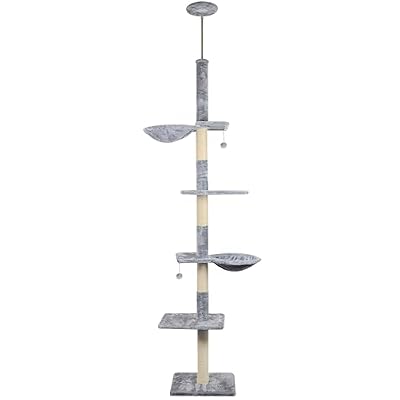
Roypet Adjustable 93"-116" Tall Cat Climbing Tree 5-Tier Kitty Activity Center Floor-to-Ceiling Climber Toy with Hanging Hammock and Scratching Posts Cat Furniture,Grey
Included for 'Best Cat Tree for Domestic Shorthair 2026' because the listing specifies Grey, details this guide uses to compare options.
View on AmazonHeight
For a single young or middle-aged shorthair, a tree of about 4.5 to 6 feet gives enough height to satisfy climbing instincts without becoming unstable. In multi-cat homes, height creates social space: the confident cat takes the top, and a second high perch reduces squabbles. For seniors, a shorter tree of 3 to 4 feet with close, step-like platforms is kinder on stiff joints.
Key features compared
See also: How to Pick a Heating Pad for an Arthritic Senior Dog • How to Transition a Picky Cat to a New Food
| Feature | Good target for a DSH | Why it matters |
|---|---|---|
| Scratching post height | At least 28-32 in of uninterrupted sisal | Lets an adult stretch fully while scratching |
| Post diameter | 3-4 in or more | Thin posts wobble under a jumping cat |
| Base size | ~20 x 20 in for a 5-6 ft tree | Prevents tipping on landing |
| Top perch | 15-18 in wide, with a raised lip | Room to curl up; lip adds security |
| Weight capacity per platform | Comfortably above your heaviest cat | Landing force is several times body weight |
| Covering | Short-pile carpet or faux fleece; replaceable sisal | Sisal wears out first; replaceable saves the tree |
Scratching surfaces are the real selling point
Many cheap trees wrap only short sections of post in thin sisal rope. A shorthair will shred that in months and move on to your furniture. Look for thick, tightly wound sisal rope or sisal fabric along at least one tall vertical post, and consider a tree with a horizontal or angled scratch pad too, since some cats prefer to scratch lying flat.
Stability beats features
A tree that shifts even slightly when a cat lands teaches the cat not to trust it. Test by pushing the top platform sideways; it should barely move. Taller trees in homes with energetic cats should be anchored to the wall with the included strap or a furniture anchor.
Placement makes or breaks it
Put the tree where the family spends time, ideally next to a window. A tree tucked in a spare room is mostly ignored. A view of birds, a street, or a garden gives an indoor cat hours of low-key stimulation. Place it near, but not blocking, the furniture your cat currently scratches, and reward use with treats or a play session with a wand toy on the platforms.
Hammocks, condos, and extras
Enclosed condos appeal to shy cats, but many shorthairs never go inside them. Hammocks and dangling toys are nice extras, not essentials. Spend the budget on stability, sisal quality, and perch size first.
Health and behavior notes
Indoor shorthairs are prone to weight gain, and climbing is one of the easiest ways to add daily activity. If an older cat suddenly stops jumping to its favorite perch, it may be arthritis rather than laziness; see your vet, as pain relief can make a real difference. Overgrown claws that catch on carpet are another sign a cat isn’t scratching enough.
Frequently asked questions
How many cat trees does one shorthair need?
One good tree plus a separate tall scratching post in another room is enough for most single cats. Add one tree per extra cat in multi-cat homes.
My cat ignores the new tree. What now?
Move it next to a window or the cat’s favorite spot, rub catnip or silvervine on the sisal, and play with a wand toy around it. Give it two to three weeks.
Bottom line
The best cat tree for a domestic shorthair is a stable 4.5 to 6 foot structure with a tall, thick sisal post, a wide top perch, and a spot by a window. Skip flimsy multi-level designs with thin posts. Choose a shorter, step-style tree for seniors, and anchor tall trees if your cat launches onto them at full speed.
Ready to decide? Our #1 pick for 2026 is the Scratching post height.
Live price & availability on Amazon.