📅 Last updated:
This guide to choosing a cat litter box comes down to four checks. Size: at least 1.5 times your cat’s length, nose to base of tail. Type: most cats accept an open, roomy box, with low entry for kittens and seniors. Litter: unscented, fine-grained clumping litter, scooped daily. Number: one box per cat plus one. Below: sizes by cat, type pros and cons, placement, and when to call a vet.
Updated October 2026. This guide is based on veterinary and feline-behaviorist guidance (listed under Sources We Checked), not on product testing. Some links are affiliate links; we may earn a commission at no cost to you.
📋 Table of Contents
Quick Picks by Cat Type
One pick for each box type covered in this guide, so you can compare like with like. Check the size and weight notes on each listing against your own cat.
OneBug XL – high-sided stainless – open top – scoop included
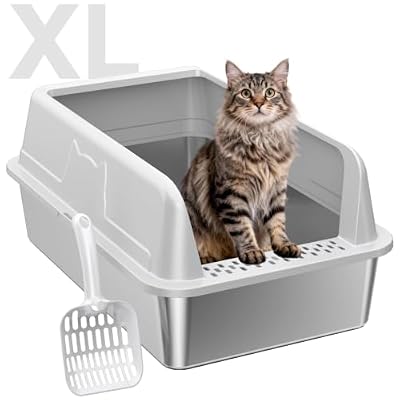
OneBug High-Sided Stainless Steel XL Cat Litter Box for Cats | High-Sided Design Prevents Urine Leakage,Non-Stick,Easy to Clean,Includes Scoop,Gray
Included for 'How to Choose a Cat Litter Box: Size, Type, Placement' as a representative home product in this roundup; selection reflects the product set returned for this topic.
View on AmazonFor diggers, cats that stand to urinate and large cats. High walls keep litter and urine in the box, but they are a hurdle for kittens and seniors.
KittyGoHere Senior (Large) – open top – low entrance – made in USA

KittyGoHere Senior Cat Litter Box, Large Litter Pan, Beach Sand | Open Top Low Entrance Kitty Litter Box, Lightweight Low Entry Litters Box, Durable Design for Easy Cleaning, Made in USA
Included for 'How to Choose a Cat Litter Box: Size, Type, Placement' as a representative home product in this roundup; selection reflects the product set returned for this topic.
View on AmazonFor kittens, seniors and cats with stiff joints. A low entrance is easier to step into, which matters because Cornell Feline Health Center says kittens and older cats need boxes with low sides.
IRIS USA Large Front Door Hooded Box – walk-in entry – covered

IRIS USA Large Front Door Cat Litter Box, Walk-in Entry, Gray | Easy Access Needs, Private Enclosure Design, Covered Walk-Through, Contained Environment, Privacy Hood
Included for 'How to Choose a Cat Litter Box: Size, Type, Placement' as a representative home product in this roundup; selection reflects the product set returned for this topic.
View on AmazonFor cats that like privacy and owners who want the box hidden. Cornell and the ASPCA both lean toward uncovered boxes for most cats, so watch for avoidance and scoop often.
Arm & Hammer Premium Top Entry – top entry – filter – made in USA

Arm & Hammer Premium Top Entry Litter Box with Filter to Clean Paws and Microban, Made in USA
Included for 'How to Choose a Cat Litter Box: Size, Type, Placement' as a representative home product in this roundup; selection reflects the product set returned for this topic.
View on AmazonFor litter trackers. The cat steps in from above, which cuts scatter. Some cats balk at the jump, so introduce it gradually, and skip it for seniors.
Omega Paw Roll ‘n Clean (Large) – manual roll-over sifter – no power – clumping litter

Omega Paw Roll 'n Clean Self Cleaning Litter Box, Brown, Large
Included for 'How to Choose a Cat Litter Box: Size, Type, Placement' as a representative home product in this roundup; selection reflects the product set returned for this topic.
View on AmazonA no-electricity step toward easier cleaning: roll the box over and clumps drop into a drawer. It only works with clumping litter. For other no-power options, see our Moonbox status and manual alternatives page.
Purina Tidy Cats Breeze System Kit – pellet litter – pads – box included

Purina Tidy Cats Breeze Cat Litter Box System Kit with Pellets & Pads | Cat litter box with scoop, plus Zeolite pellets and cat litter pads, easy-to-use kit for odor control
Included for 'How to Choose a Cat Litter Box: Size, Type, Placement' as a representative home product in this roundup; selection reflects the product set returned for this topic.
View on AmazonA disposable-pad and pellet system for people who want a simple setup. Pellets and pads are an ongoing refill, so factor that into your choice.
Litter-Robot 4 – automatic – works with clumping litter – app-connected

Whisker Litter-Robot 4, White - Automatic | Self-Cleaning Cat Litter Box, Helps Reduce Litter Box Odors, Works with Any Clumping Litter, WhiskerCare 1-Year Warranty
Included for 'How to Choose a Cat Litter Box: Size, Type, Placement' as a representative home product in this roundup; selection reflects the product set returned for this topic.
View on AmazonThe hands-free option. Check the maker’s manual for minimum cat weight and be ready for a slow introduction, since some cats are startled by the motor. Compare it with its main rival in our Litter-Robot vs PetSafe ScoopFree comparison.
Types of Cat Litter Box
See also: Washable Kitten Bed With Removable Cover: 7 Easy-Wash Picks • Cat House for Outdoor Cats: Insulated Shelters and Straw Bedding
Standard Open Litter Boxes
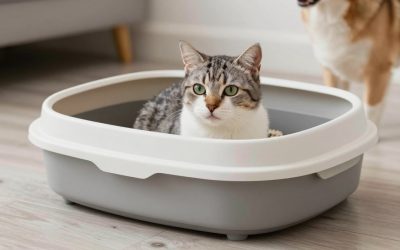
These are the most basic and traditional litter boxes, characterized by their simple, open design. They are typically rectangular or oval and have low to moderate sides. Standard open boxes are a great starting point for most cats, especially kittens and older cats who may have difficulty stepping over high edges. Their simplicity makes them easy to clean and very affordable. They are also excellent for observing your cat’s waste, which can be an important indicator of their health. For multi-cat households, it’s often recommended to have one more open litter box than the number of cats, placed in different locations, to avoid territorial disputes and ensure accessibility.
High-Sided Litter Boxes
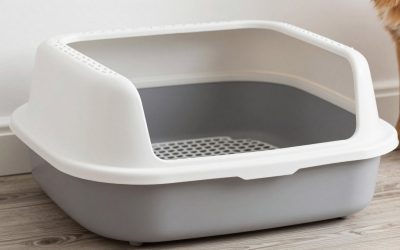
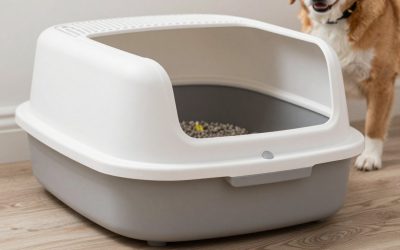
Similar to standard open boxes but with significantly taller walls, high-sided litter boxes are designed to contain litter scatter and prevent urine from leaking out, especially from cats who tend to dig aggressively or stand while urinating. These are particularly useful for households with energetic diggers or cats prone to messes. However, they can pose a challenge for very young, elderly, or physically impaired cats who may struggle to enter and exit. Ensure the entry point is still accessible for your cat, or consider models with a lower cut-out in the front.
Top-Entry Litter Boxes
Top-entry litter boxes feature an opening on the lid, requiring cats to step onto the top to enter and exit. This design effectively traps litter within the box as the cat exits, drastically reducing tracking and scatter. They can also offer a sense of privacy for cats who prefer to do their business undisturbed. However, some cats may be hesitant to use a top-entry system due to the enclosed nature and the need to jump. It’s crucial to introduce these gradually, especially if your cat is accustomed to open boxes. They are also less ideal for observing waste for health monitoring.
Enclosed Litter Boxes (Hooded Litter Boxes)
These are essentially standard litter boxes with a removable hood and a swinging door. The enclosure helps to contain odors and litter scatter, creating a more private space for your cat. Many enclosed boxes also come with a filter, often made of carbon, to further absorb smells. The main drawback is that they can trap odors within the box, which some cats find unpleasant, potentially leading to avoidance. The swinging door can also be an issue for some cats who prefer an unobstructed exit. Regular cleaning is paramount to prevent strong odors from accumulating.
Self-Cleaning Litter Boxes (Automatic Litter Boxes)
Self-cleaning litter boxes are designed to automatically detect when a cat has used the box and then rake or scoop the waste into a sealed receptacle. This significantly reduces the frequency of manual scooping and can help maintain a cleaner environment, which is appealing to cats. They often come with advanced features like odor control, different cleaning cycles, and app connectivity for monitoring. However, they are the most expensive option, can be noisy (which may startle some cats), and require a reliable power source. Some cats may also be sensitive to the movement or sound of the cleaning mechanism, leading to avoidance.
Litter Box Furniture (Enclosed Cabinets)
These are essentially decorative pieces of furniture designed to conceal a standard litter box. They can be attractive additions to your home decor, helping to hide unsightly litter boxes and contain odors. Many designs include ventilation and easy access for cleaning. The primary consideration is ensuring the internal space is large enough for your cat to comfortably turn around and dig, and that the entrance is easy for them to navigate. Some designs may compromise on ventilation, leading to odor buildup if not regularly cleaned.
Choose by Your Cat
| Your cat | Best box | Avoid | Why |
|---|---|---|---|
| Kitten | Low-sided open pan | High walls, top entry | Cornell says kittens and older cats need low sides |
| Senior or arthritic | Open box with an entrance about 2 in or lower | High-sided and top-entry boxes | Stepping over a tall edge can hurt, and some seniors then avoid the box |
| Large or long cat | Extra-large open box | Standard-size or small hooded boxes | Needs about 1.5 times body length to turn and dig |
| Digger or sprayer | High-sided open box | Very shallow pans | Walls keep litter and urine in |
| Shy or nervous cat | Open box in a quiet, private spot | Noisy automatic boxes at first | Cornell advises quiet, private locations away from food; some cats are startled by motors |
| Multi-cat home | One open box per cat plus one | One shared box | Cornell, ASPCA and FirstVet all give the cats-plus-one rule |
| Cat with breathing problems | Open, ventilated box; ask your vet | Closed hoods | Covers hold odors in |
Key Features to Look For
Size and Space
A litter box should be at least 1.5 times the length of your cat from nose to base of tail. This provides ample space for them to turn around, dig, and cover their waste comfortably. Too small a box can lead to mess and discomfort. Preventive Vet and FirstVet both give the 1.5 times rule, and Preventive Vet adds that the box should be at least 13 to 15 inches wide.
Litter Box Size Cheat Sheet
| Check | Rule of thumb | Source |
|---|---|---|
| Box length | About 1.5 times your cat’s length, nose to base of tail | Preventive Vet, FirstVet |
| Box width | At least 13 to 15 inches | Preventive Vet |
| Entry height for seniors | No more than about 2 inches off the floor | Preventive Vet |
| Litter depth | Sources differ: 1 to 2 inches (ASPCA, Cornell) up to at least 3 inches (FirstVet). Start around 2 inches and adjust to what your cat digs in. | ASPCA, Cornell, FirstVet |
| Number of boxes | One per cat plus one, in different quiet spots | Cornell, ASPCA, FirstVet |
| Replace the box | At least once a year, sooner if scratched or cracked | Preventive Vet, FirstVet, Cornell |
Measure your cat while it is standing, add half again, and compare with the listed interior size, not the outside. For big cats and breed-specific sizing see litter box dimensions for large cats, what size litter box for a large cat and what size litter box for two cats.
Entry Height and Accessibility
Consider your cat’s physical condition. Kittens, senior cats, or those with mobility issues need lower entry points: Preventive Vet says the entrance should be no more than about 2 inches off the ground for cats with mobility problems. For most adult cats, a moderate height is fine, but very high sides can be a deterrent. See how to choose litter box entry height and best low-entry litter boxes for senior cats.
Material and Durability
Most litter boxes are made of plastic. Opt for smooth, non-porous plastic that is easy to clean and won’t retain odors. Avoid textured plastics that can harbor bacteria. Ensure the material is sturdy and won’t crack or warp over time.
Odor Control Features
Look for boxes with features like high sides, enclosed designs, or integrated carbon filters to help manage unpleasant smells. Regular cleaning is the most effective odor control, but these features can provide an extra layer of defense.
Litter Scatter Reduction
Designs like top-entry boxes, high-sided boxes, or those with specially shaped rims are effective at keeping litter contained within the box, reducing the amount of tracking around your home.
Ease of Cleaning
A good litter box should be simple to scoop and clean. Removable hoods, smooth surfaces, and rounded corners contribute to a more straightforward cleaning process, making it less of a chore.
Privacy for the Cat
Some cats feel more secure and less stressed when using a litter box that offers a degree of privacy. Enclosed boxes or furniture can provide this sense of security, but it’s important to ensure the cat doesn’t feel trapped.
Ventilation (for Enclosed Models)
If choosing an enclosed or hooded box, ensure there’s adequate ventilation. This helps to prevent odors from becoming too concentrated within the box and can make it more appealing to your cat.
How Much Should You Spend?
Basic Open Pans
At this price point, you’ll find basic, standard open litter boxes made of durable plastic. These are functional and serve their purpose well for most cats. They are excellent for experimenting with different litter types or for setting up multiple boxes in a multi-cat household without breaking the bank. While they may lack advanced features, their simplicity and affordability make them a solid choice for basic needs.
Mid-Range: High-Sided, Top-Entry and Hooded
This tier offers a wider variety of designs, including higher-sided open boxes, some basic enclosed models, and top-entry options. You might also find more aesthetically pleasing designs or those with slightly improved odor control features like basic filters. These boxes offer a good balance of functionality, features, and price, catering to a broader range of preferences and needs for both cats and owners.
Premium: Self-Cleaning and Furniture Styles
The premium category is dominated by self-cleaning and advanced automatic litter boxes, as well as high-end litter box furniture. These products come with sophisticated features such as motion sensors, automatic raking mechanisms, odor neutralization systems, and smart technology for monitoring. They also include designer litter box enclosures that blend seamlessly into home decor. While the investment is higher, these options offer significant convenience, superior odor control, and a consistently cleaner environment for your cat.
Common Mistakes to Avoid
- Choosing a box that’s too small: Cats need space to turn, dig, and cover. A cramped box leads to mess and potential avoidance.
- Ignoring your cat’s preferences: Not all cats like enclosed spaces or top entries. Observe your cat’s behavior and choose accordingly.
- Underestimating the importance of placement: Litter boxes should be in quiet, low-traffic areas, away from food and water bowls, and easily accessible.
- Infrequent cleaning: Even the best litter box will be rejected by a cat if it’s not kept clean. Scooping daily and deep cleaning regularly is essential.
- Not providing enough litter boxes: For multi-cat households, the general rule is one box per cat plus one extra.
Frequently Asked Questions
How many litter boxes do I need?
One per cat plus one extra, placed in different spots. Cornell Feline Health Center, the ASPCA and FirstVet all give this rule. For two cats that means three boxes, which helps prevent territorial disputes and makes sure each cat always has a clean, accessible option.
What size litter box does my cat need?
About 1.5 times your cat’s length, nose to base of tail, with room to turn around without touching the sides. Preventive Vet also suggests a width of at least 13 to 15 inches.
Do two cats need two litter boxes?
Yes, and a third is better. The rule is one box per cat plus one, in separate quiet locations rather than side by side.
How tall should the entrance be for a senior cat?
About 2 inches or lower. Preventive Vet recommends an entrance no more than 2 inches off the ground for cats with mobility problems.
How deep should the litter be?
Sources differ. The ASPCA and Cornell Feline Health Center suggest about 1 to 2 inches, while FirstVet recommends at least 3 inches of diggable litter. Start near 2 inches and adjust to what your cat prefers.
How often should I replace a litter box?
At least once a year, and sooner if the plastic is scratched, cracked or holds odor after washing. Preventive Vet and FirstVet suggest yearly replacement, and Cornell says to replace cracked boxes.
Is a covered litter box better?
For most cats, no. Cornell Feline Health Center and the ASPCA recommend uncovered boxes because covers can trap odors that cats dislike. Some cats tolerate or prefer a hood, so watch your cat’s behavior.
What litter box suits a Scottish Fold or British Shorthair?
A large, open box with a lower entry is a safe default. See our Scottish Fold litter box page and British Shorthair litter box page for specific picks.
My cat is avoiding the new litter box. What should I do?
See your veterinarian first to rule out a medical cause, then adjust the box. Cornell Feline Health Center and the ASPCA both say to check for medical problems before treating this as a behavior issue. If the vet finds nothing, place the new box where the old one was and add a little used litter. If it is a top-entry or hooded box, leave the lid or door off at first.
How often should I scoop and clean the litter box?
Scoop at least once a day. Cornell Feline Health Center advises removing clumps daily, and the ASPCA suggests rinsing the box out once a week with baking soda or unscented soap. Avoid harsh or strongly scented cleaners.
Can I use a covered litter box if my cat has respiratory issues?
Ask your veterinarian. Covered boxes hold odors in, and the veterinary sources above lean toward open boxes for most cats, so an open box in a well-ventilated spot is the safer default.
What is the best type of litter box for odor control?
Daily scooping matters most. Beyond that, a box that is easy to wash and a self-cleaning or sifting design can help, but there is no odor-proof box. See best litter box for odor control and our litter box odor control guide.
Red Flags: When to Call a Vet
A change in litter box habits can be a medical sign, not a box problem. Contact a veterinarian right away if your cat strains in the box, makes frequent trips, produces little or no urine, or cries out while trying to go. Cornell Feline Health Center says a blocked cat typically passes little, if any, urine, that male cats are at higher risk because their urethra is longer and narrower, and that the time from complete obstruction until death may be less than 24 to 48 hours. Treat these signs as an emergency, especially in a male cat. If your cat simply starts going outside the box, have a vet rule out medical causes before changing the box.
Sources We Checked
- Cornell Feline Health Center: house soiling and feline lower urinary tract disease guidance
- ASPCA: litter box problems guidance
- Preventive Vet: how to choose the best litter box (certified feline behavior specialist), updated January 2025
- FirstVet: the cat lover’s guide to litter box bliss (veterinarian author), 2021
This guide summarizes those sources. It is veterinary and behaviorist guidance rather than product testing, and it is not a substitute for advice from your own veterinarian.
Final Thoughts
Selecting the ideal cat litter box is an investment in your cat’s well-being and your home’s cleanliness. By understanding the diverse options available, carefully considering your cat’s individual needs and preferences, and paying attention to key features like size, accessibility, and ease of cleaning, you can make a choice that fosters a happy and healthy relationship between you and your feline friend. Remember that consistent maintenance, including daily scooping and regular deep cleaning, is paramount, regardless of the type of litter box you choose. A little effort in selecting and maintaining the right litter box goes a long way in ensuring a harmonious and stress-free environment for both you and your beloved cat.
Related Litter Box Guides
- What size litter box for a large cat
- Litter box dimensions for a small bathroom
- Do multiple cats need multiple litter boxes?
- Best litter box for a British Shorthair
- Best litter box for odor control
- Litter box odor control guide
- Smart litter box features explained
- Litter-Robot vs PetSafe ScoopFree
- Moonbox litter box: status and alternatives
- How to litter train a kitten
- Best high-sided cat litter boxes
- Best low-entry litter boxes for senior cats
- Best top-entry cat litter boxes