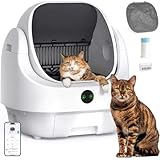
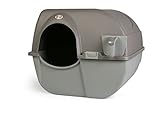
- Top Pick: Paruuntys Automatic Litter Box,Safety Sensor,App Control,Open-top Design
- Best Value: Lohhuby Automatic Cat Litter Box Self Cleaning – App Control, Open-Design, Smart Health Monitor, Suitable for Medium Cats and Kittens, Anti-Pinch Safety, Quiet Operation – White
- Premium Choice: UPFAS Automatic Cat Litter Box Self Cleaning – APP Control – Weight Monitoring – Ultra-Quiet, Medium Cats and Kittens Litter Box, Safe Anti-Pinch【Assembly Required】- Grey
📅 Last updated:
A self-cleaning litter box promises to spare you the daily scoop, and for the most part it delivers. But automatic does not mean maintenance-free. These devices still need regular cleaning to run smoothly, control odor, and keep your cat willing to use them. Neglect one and you get jams, sensor errors, and a smell worse than any manual box.
This guide walks through the routine that keeps a self-cleaning box working like new, from quick daily checks to a deep monthly clean, plus the maintenance habits that extend the life of the motor and sensors. The principles apply whether you own an app-controlled robot or a simpler mechanical model.
As an Amazon Associate we earn from qualifying purchases at no extra cost to you.





⚡ Save on Your Next PC — Amazon Prime
Prime members get fast free shipping on the systems above, plus early access to Prime Day & Black Friday PC deals. New members get a 30-day free trial.
📋 Table of Contents
Watch: How to Clean and Maintain a Self-Cleaning Cat Litter Box — Video Review
Daily and Weekly Upkeep
See also: Air Filter For Cat Allergies • Best Pet Odor Eliminator Air Purifier
Even with automatic raking, empty the waste drawer every day or two, since a full drawer is the number one cause of odor and sensor faults. Wipe the rim and any exposed surfaces weekly with a pet-safe cloth. For app-controlled models like the Lohhuby Automatic Cat Litter Box with Smart Health Monitor, check the companion app for jam alerts or low-litter warnings, which flag small problems before they become failures. Top up litter to the fill line so the mechanism has enough to clump and sweep effectively.
The Monthly Deep Clean
Once a month, fully empty the litter and disassemble the removable parts. Most units, including open-top designs like the Paruuntys Automatic Litter Box, have a globe or bin that lifts out for washing. Rinse components with warm water and a mild, unscented soap, avoiding harsh chemicals that leave residue or scent a cat will reject. Dry everything completely before reassembly, because trapped moisture causes clumping litter to cake onto the mechanism.
Caring for Sensors and Motor
The safety sensors that stop the rake when your cat steps in are critical and dust-sensitive. Wipe them gently with a dry cloth during each deep clean so litter dust does not cause false triggers or missed cycles. Never submerge the motor base or electronic components; instead wipe them with a barely damp cloth. Keeping the moving parts free of caked litter, as on models like the UPFAS Automatic Cat Litter Box, prevents the strain that shortens motor life.
Choosing the Right Litter and Refills
Self-cleaning boxes are picky about litter. Most require a hard-clumping clay litter so the rake can lift solid clumps cleanly; lightweight or crystal litters can jam the mechanism. Check your model’s manual before switching. Using the recommended litter type and keeping it at the correct depth is the single easiest way to prevent the jams that plague these devices.
Tips
- Line the waste drawer with the manufacturer’s bags or a compatible liner to make emptying faster and cleaner.
- Run a manual clean cycle after refilling litter to confirm the mechanism moves freely before leaving your cat with it.
- Keep the box on a level surface, since a tilt can confuse weight sensors and cause misfires.
- Deodorize with a charcoal filter or additive rather than scented sprays that may discourage your cat.
Frequently Asked Questions
How often do I really need to deep clean it?
A full teardown and wash once a month is ideal for most homes, more often with multiple cats. Daily drawer emptying and weekly wipe-downs handle the rest between deep cleans.
Can I use any litter in a self-cleaning box?
No. Most require a firm-clumping clay litter for the rake to work. Using the wrong type is the most common cause of jams, so always follow the model’s litter recommendation.
What should I do if the box keeps jamming?
Empty and clean it, check that you are using compatible clumping litter at the right depth, and wipe the sensors. Persistent jams after that usually point to a mechanical issue worth contacting the manufacturer about.
Is it safe to use disinfectant?
Stick to mild, unscented soap and warm water. Harsh disinfectants can leave residue or odors that cats dislike, and they may damage plastic or electronic parts over time.
Conclusion
A self-cleaning litter box stays reliable only with a little regular care: empty the drawer daily, wipe it weekly, deep clean monthly, and treat the sensors and motor gently. Use the correct clumping litter and check your app or indicator lights for early warnings. Follow that rhythm and your automatic box will keep doing the dirty work for years, sparing you the scoop without sacrificing freshness.