📅 Last updated:
Ragdolls are big, placid, and famously relaxed, which is lovely until you notice that a 15-pound cat who prefers the sofa to the cat tree can drift into obesity without anyone noticing. The breed also matures slowly, taking about four years to reach full size, and has a recognized genetic risk of hypertrophic cardiomyopathy. None of that means Ragdolls need exotic food. It means portion control, protein quality, and hydration matter more than the marketing on the bag. Here is how to choose and feed a diet that suits this gentle giant.
📋 Table of Contents
Quick answer: For most people in 2026, the best cat food for ragdoll 2026 is the Protein (dry matter basis) — our #1 rated choice. See the full ranked comparison, alternatives and buying advice below.
What makes Ragdoll nutrition different
Males typically reach 15 to 20 pounds and females 10 to 15, but much of that should be frame and muscle, not fat. Ragdolls are less active than breeds like Bengals or Abyssinians, so their calorie needs per pound are often at the lower end of the range. Their semi-long coat can hide weight gain, which is why regular hands-on body checks matter.

Royal Canin Feline Breed Nutrition Ragdoll Adult Dry Cat Food, 7 lb Bag
Included for 'Best Cat Food for Ragdoll 2026' because the listing specifies 7 lb Bag, details this guide uses to compare options.
View on Amazon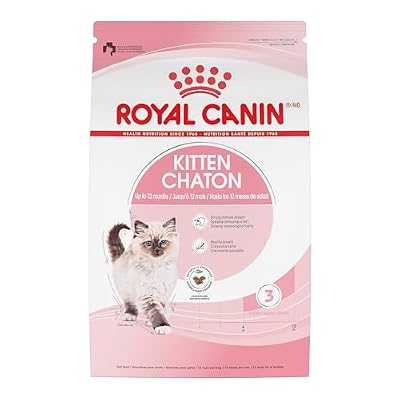
ROYAL CANIN Kitten Food Dry Cat Food, 7 lb Bag
Included for 'Best Cat Food for Ragdoll 2026' because the listing specifies 7 lb Bag, details this guide uses to compare options.
View on Amazon
Royal Canin Feline Health Nutrition Indoor Adult Dry Cat Food, 7 lb Bag
Included for 'Best Cat Food for Ragdoll 2026' because the listing specifies 7 lb Bag, details this guide uses to compare options.
View on Amazon
Royal Canin Feline Care Nutrition Hairball Care Adult Dry Cat Food, 6 lb Bag
Included for 'Best Cat Food for Ragdoll 2026' because the listing specifies 6 lb Bag, details this guide uses to compare options.
View on AmazonA slow-growing kitten stage
Ragdoll kittens grow steadily for years, not months. Most do well on a complete kitten or all-life-stages food until about 12 months, then an adult maintenance food. Rushing growth with free-fed, calorie-dense kibble is not helpful for a large, slow-maturing cat.
Nutrients to look for
See also: How to Pick a Heating Pad for an Arthritic Senior Dog • How to Transition a Picky Cat to a New Food
| Nutrient or feature | General target for adult Ragdolls | Why it matters |
|---|---|---|
| Protein (dry matter basis) | About 40 – 50% from named animal sources | Maintains muscle on a large, low-activity frame |
| Fat (dry matter basis) | Roughly 15 – 20% | Energy and coat quality without excess calories |
| Taurine | Included per AAFCO or FEDIAF standards | Essential for heart and eye health in all cats |
| Moisture | Wet food at 75 – 80% moisture for part of the diet | Supports urinary tract health and hydration |
| Calories (typical 12 lb adult at ideal weight) | About 220 – 280 kcal per day | Starting point only; adjust to body condition |
| Omega-3 (EPA and DHA) | From fish oil or marine sources | Supports skin and a silky coat |
Calorie figures are general starting points. Your vet can calculate a target based on your cat’s ideal weight, age, and neuter status.
Wet, dry, or mixed feeding
Why wet food helps Ragdolls
Ragdolls are often reported among breeds that may be more prone to urinary tract problems, including bladder stones. Cats evolved to get most of their water from prey and are poor drinkers. Feeding at least one wet meal a day raises water intake substantially, which is one of the simplest supportive steps for urinary health. If you notice straining, frequent trips to the litter box, or blood in the urine, see your vet promptly.
Where dry food fits
Dry food is convenient and can work well in measured portions, puzzle feeders, or timed feeders. The risk with a sedentary Ragdoll is free-feeding: a full bowl left out all day is the fastest route to an overweight cat. Measure with a kitchen scale rather than a scoop, since scoops can be off by 20 percent or more.
Heart health and marketing claims
Because Ragdolls can carry a gene mutation linked to hypertrophic cardiomyopathy, some owners look for “heart health” foods. Every complete and balanced commercial cat food must already contain adequate taurine. No diet prevents or treats HCM on its own, so ask your breeder about genetic testing and your vet about screening instead of relying on packaging claims. If your vet diagnoses heart disease, they may recommend specific dietary changes.
Keeping a Ragdoll at a healthy weight
Run your hands along the ribs: you should feel them easily under a light layer of fat, and see a waist from above once the fluffy coat is flattened. Ragdolls often develop a hanging belly pouch, which is normal and not the same as fat, so judge by ribs and waist. Encourage movement with wand toys and food puzzles, and split the daily ration into three or four small meals.
FAQ
How much should I feed a Ragdoll?
Many 12 to 15 pound adults need roughly 220 to 300 kcal per day, but needs vary widely. Start with the label guide for your cat’s ideal weight, weigh the cat every few weeks, and adjust by about 10 percent at a time.
Is grain-free food better for Ragdolls?
Not necessarily. Cats need animal protein, but moderate grain content is not harmful for most cats. Choose a complete and balanced food with quality protein and talk to your vet before selecting a specialized diet.
Bottom line
The best food for a Ragdoll is a complete and balanced diet with high-quality animal protein, fed in measured portions that match a calm lifestyle. Include wet food for hydration, weigh meals rather than eyeballing them, and use body condition checks to keep that big frame lean. For heart and urinary concerns, pair a good diet with regular vet checks rather than relying on label promises.
Ready to decide? Our #1 pick for 2026 is the Protein (dry matter basis).
Live price & availability on Amazon.