📅 Last updated:
British Shorthairs are sturdy, dignified cats that like things just so. They are rarely troublesome about litter, but they are large, heavy-boned, and not especially agile, and many are prone to carrying extra weight. A small or awkward box can lead to accidents, messy rears, and avoidance. Choosing a box with the right size, entry, and stability makes daily life easier for both you and your cat.
📋 Table of Contents
Sizing for a stocky breed
British Shorthairs can weigh 7 to 17 pounds and have a broad, cobby body. Measure your cat from nose to base of tail; most adults fall between 16 and 20 inches. Aim for a box about one and a half times that length, so 24 to 30 inches long. Width matters too: a box of at least 16 to 18 inches wide lets a broad cat turn around comfortably.
Weight and stability
Heavy cats can tip or shift lightweight boxes, especially when stepping on the rim. A solid, stable box or a box placed on a non-slip mat helps prevent this.
Comparing box styles for British Shorthairs
See also: How to Clean and Maintain a Pet Water Fountain: A Weekly Routine That Works • Best Automatic Cat Feeder With Battery Backup: 8 Picks and a Power-Cut Plan
| Box style | Suitability | Advantages | Concerns | Price range |
|---|---|---|---|---|
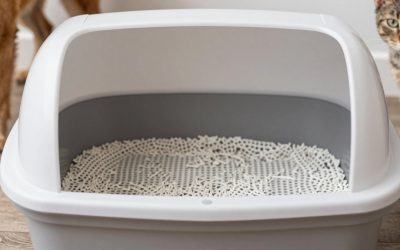
| Jumbo open box | Excellent | Room for a large cat; easy access | Some litter scatter | Check on Amazon |
| High-sided box with low entry | Very good | Contains mess, easy step-in | Check entry height is 5 – 7 in | Check on Amazon |
| Hooded box | Good if large enough | Privacy and odor control | Low headroom for big males | Check on Amazon |
| Top-entry box | Poor | Less scatter | Requires jumping; hard for heavy cats | Check on Amazon |
| Storage tote conversion | Very good | Very large, inexpensive | Cut a smooth, low entry | Check on Amazon |
Features that matter most
Low, wide entry
British Shorthairs are not natural jumpers, and overweight cats may find stepping into a high-sided box uncomfortable. An entry around 5 to 7 inches high and wide enough for a broad chest makes access easy.
Headroom in covered boxes
If you choose a hooded box, make sure a large male can stand inside without touching the lid. Some British Shorthairs will simply refuse a box that feels cramped.
Litter choice
Most British Shorthairs accept standard clumping litter. A fine-grain, low-dust clumping litter is easy to scoop and less likely to stick to the dense coat. Avoid heavily scented litters.
Weight and hygiene
Overweight British Shorthairs may have trouble reaching their rear end to clean themselves, leading to soiled fur. Keeping your cat at a healthy weight is the best solution. In the meantime, gentle wipes and occasional trimming can help. Obesity is also associated with urinary problems, so watch for straining, frequent urination, or blood in urine, and see your vet promptly if you notice these signs.
Seasonal shedding and litter tracking
The British Shorthair’s dense, crisp coat sheds heavily in spring and autumn. During these weeks, loose fur mixes with litter and gets carried out of the box on the paws and belly, and hair can clump in the litter itself. Brushing more often during sheds reduces this, and a large, textured mat placed at the exit catches much of what falls. A box with a wide, flat rim also gives a heavy cat somewhere stable to step as it leaves.
Placement for a creature of habit
British Shorthairs value routine. Choose a quiet, stable location and avoid moving the box often. In multi-cat households, provide one box per cat plus one. If you need to relocate the box, do it gradually by moving it a short distance each day.
Cleaning routine
Scoop daily and wash the box every one to two weeks. A large box needs more litter, typically 3 to 4 inches deep, so budget accordingly. Consider a litter mat to catch granules from the dense fur on the paws.
FAQ
What size litter box is best for a British Shorthair?
Aim for 24 to 30 inches long and at least 16 inches wide, with a low entry. Larger males may need a jumbo box or a storage tote conversion.
Why does my British Shorthair sit on the edge of the litter box?
This often means the box is too small or the litter is too deep or unpleasant. Try a larger box and a finer litter. If it continues, check with your vet to rule out discomfort.
Bottom line
For a British Shorthair, the best litter box is large, stable, and easy to step into: 24 to 30 inches long, low entry, and filled with a low-dust clumping litter. Keep it consistent, clean, and accessible, and help your cat stay at a healthy weight so hygiene and litter habits stay easy.