📅 Last updated:
Blue Buffalo and Hill’s Science Diet sit next to each other on pet store shelves and appeal to two different instincts. Blue Buffalo speaks to owners who want real meat first, no poultry by-product meal and a natural-food story. Hill’s Science Diet speaks to owners who trust veterinary research and clinical nutrition. Both are owned by large consumer companies (Blue Buffalo by General Mills, Hill’s by Colgate-Palmolive) and both sell prescription diets too. Here is how they differ in practice and how to decide.
📋 Table of Contents
Product lines
Blue Buffalo
- Life Protection Formula: the core line, with deboned meat first and “LifeSource Bits” (a cold-formed blend of vitamins, minerals and antioxidants).
- Wilderness: higher-protein recipes, available grain-free and with grains.
- Basics: limited-ingredient recipes for sensitive dogs.
- True Solutions: need-based recipes such as digestive care or weight control.
- Natural Veterinary Diet: prescription range.
Hill’s Science Diet
- Adult, Puppy, Senior 7+ in small bites, large breed and other variants.
- Sensitive Stomach and Skin, Perfect Weight, Oral Care and similar need-based recipes.
- Hill’s Prescription Diet (a separate brand) for vet-managed conditions such as kidney, urinary and GI disease.
Comparison table
See also: How to Pick a Heating Pad for an Arthritic Senior Dog • How to Transition a Picky Cat to a New Food
| Factor | Blue Buffalo | Hill’s Science Diet |
|---|---|---|
| Owner | General Mills | Colgate-Palmolive (Hill’s Pet Nutrition) |
| Typical first ingredient | Deboned chicken, lamb or fish | Chicken, chicken meal or a grain, depending on formula |
| By-product meal | Marketed as free of poultry by-product meal | Some formulas use by-products or meals |
| Grain-free options | Yes (Wilderness, some Basics) | Limited; mostly grain-inclusive |
| Research emphasis | Natural ingredients story | Veterinary nutritionists, clinical studies |
| Dry price per pound (approx.) | $2.30–$4.00 | $2.80–$4.50 |
What vets tend to say
Many veterinarians lean toward Hill’s because the company publishes research, employs board-certified veterinary nutritionists and runs feeding trials, which are criteria in the WSAVA guidelines for choosing a pet food. That does not mean Blue Buffalo is unsafe; it means Hill’s markets itself on evidence while Blue Buffalo markets itself on ingredients. The grain-free debate adds nuance. In 2019 the FDA listed brands most often named in reports of diet-associated dilated cardiomyopathy (DCM), and Blue Buffalo was among them, mostly tied to grain-free recipes. The FDA did not conclude that any brand caused DCM and has said the issue is complex. If you feed grain-free, it is worth discussing with your vet, especially for breeds with heart concerns.

Blue Buffalo Life Protection Formula Chicken Adult Dry Dog Food, 30 lb
Included for 'Blue Buffalo vs Hill's Science Diet Dog Food Comparison' because the listing specifies 30 lb, details this guide uses to compare options.
View on Amazon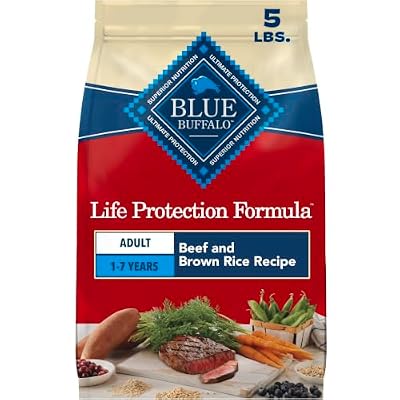
Blue Buffalo Life Protection Formula Beef Adult Dry Dog Food, 5 lb
Included for 'Blue Buffalo vs Hill's Science Diet Dog Food Comparison' because the listing specifies 5 lb, details this guide uses to compare options.
View on Amazon
Blue Buffalo Wilderness Chicken & Wholesome Grains Adult Dry Dog Food, 28lb
Included for 'Blue Buffalo vs Hill's Science Diet Dog Food Comparison' because the listing specifies 28lb, details this guide uses to compare options.
View on Amazon
Blue Buffalo Life Protection Formula Salmon Adult Dry Dog Food, 15 lb
Included for 'Blue Buffalo vs Hill's Science Diet Dog Food Comparison' because the listing specifies 15 lb, details this guide uses to compare options.
View on AmazonDigestibility and picky eaters
Owners often report that dogs find Blue Buffalo very palatable, while Hill’s formulas are more modest in flavor. On the other hand, Hill’s Sensitive Stomach and Skin has a following among dogs with mild GI issues. Every dog is different; a two- to three-week trial with stool and coat observations is the only real test.
Recalls and quality control
Both brands have had recalls over the years, as has nearly every large pet food company. Hill’s had a notable 2019 recall of canned foods for excess vitamin D; Blue Buffalo has had several smaller recalls. Check the FDA recall database for current information rather than relying on old headlines.
Which to choose
Choose Blue Buffalo if
- You prefer a meat-first label and no poultry by-product meal.
- Your dog is picky and does well on it.
- You want a limited-ingredient option without a prescription.
Choose Hill’s Science Diet if
- You want a brand with published research and a large vet-nutritionist team.
- Your vet may later transition your dog to a Hill’s Prescription Diet.
- You want a grain-inclusive formula with a long track record.
FAQ
Is Blue Buffalo or Hill’s better for sensitive stomachs?
Both have sensitive-stomach formulas. Hill’s Sensitive Stomach and Skin is common in vet clinics; Blue Buffalo Basics uses limited ingredients. Persistent vomiting or diarrhea warrants a vet visit, not just a food swap.
Why do some vets not recommend Blue Buffalo?
Mostly because of the grain-free and DCM concerns and a preference for brands that publish feeding trials. See your vet to discuss your own dog’s needs.
Bottom line
Blue Buffalo is a good fit for owners who want meat-first ingredients and a wide choice of recipes; Hill’s Science Diet suits owners who value research and vet-clinic continuity. If you pick Blue Buffalo, a grain-inclusive recipe avoids the main controversy. Whichever you choose, judge it by your dog’s weight, coat, energy and stool over a few weeks.