📅 Last updated:
An English Mastiff puts an enormous amount of weight through its paws: 120-230 lb on four feet, day after day. Most of the time, Mastiff paws are tough enough on their own, but salted sidewalks, icy surfaces, summer asphalt and slippery indoor floors can cause problems for this giant, heat-sensitive breed. Boots can help, but only if they fit a very large paw, grip well and stay on. This guide explains when a Mastiff benefits from boots and how to choose them.
📋 Table of Contents
When boots are helpful for a Mastiff
Salt and chemical de-icers
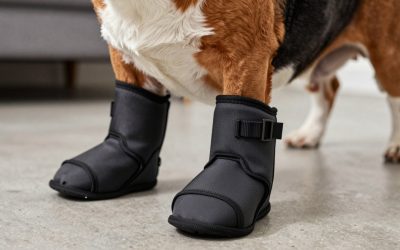
Salt and de-icers can dry and crack paw pads and irritate the skin between the toes. Dogs often lick their paws afterward, ingesting chemicals. Boots protect against both.
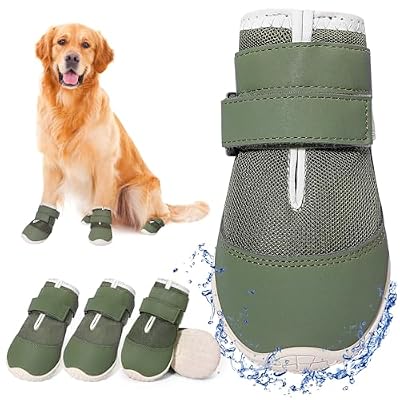
DcOaGt Dog Shoes Large Dogs XXL,Mesh Breathable Dog Boots & Paw Protector
Included for 'Best dog boots for mastiff 2026' because the listing specifies Mesh Breathable Dog Boots & Paw Protector, details this guide uses to compare options.
View on Amazon
Furrtripsy Dog Boots,Rugged Anti-Slip Sole Paw Protectors for Medium Large Dogs,Boots & Paw Protectors with Adjustable Straps,Waterproof Dog Booties for Hot Pavement,Snow,Hiking(Red,#10)
Included for 'Best dog boots for mastiff 2026' because the listing specifies Rugged Anti-Slip Sole Paw Protectors for Medium Large Dogs and Boots & Paw Protectors with Adjustable Straps, details this guide uses to compare options.
View on Amazon
All Weather Neoprene Paw Protector Dog Boots with Reflective Straps in 5 Sizes! (Black Large)
Included for 'Best dog boots for mastiff 2026' as a relevant option in this category; details come from the product listing.
View on Amazon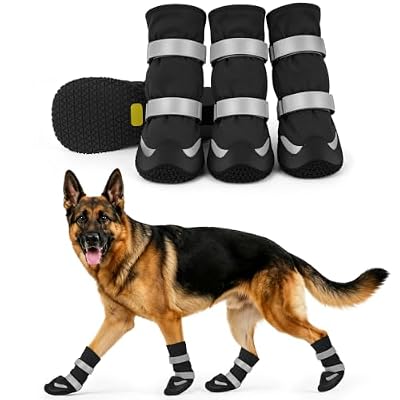
LUCKYPAW Dog Shoes for Winter Snow Waterproof Dog Boots with Fleece Lining
Included for 'Best dog boots for mastiff 2026' as a relevant option in this category; details come from the product listing.
View on AmazonIce and traction
Mastiffs are prone to joint problems like hip and elbow dysplasia and cruciate ligament injuries. A slip on ice can cause serious injury in a dog this heavy. Boots with grippy rubber soles provide better traction on icy or wet surfaces.
Hot pavement
Asphalt can exceed 130F (54C) on a sunny day. Mastiffs overheat easily and should avoid midday walks in hot weather, but boots protect the paws on unavoidable hot surfaces.
Slippery indoor floors
Older Mastiffs, especially those with arthritis or weak hind legs, often struggle on hardwood or tile. Lightweight grip boots or non-slip socks can help them stand and walk with more confidence.
What to look for in Mastiff boots
See also: Best Electric Dog Fences for Reliable, Humane Containment • Best Dog Boots for Basset Hound
Giant sizes based on paw width
Mastiff paws are large and broad, often around 4-5 in wide. Many brands do not make boots that large, so check sizing charts carefully. Measure the width of each paw while the dog is standing, as front paws are often larger than back paws.
Durable, grippy soles
Look for thick rubber soles with good tread for traction on ice and wet surfaces. The sole should be sturdy enough to withstand a giant dog’s weight but flexible enough to allow natural movement.
Secure closures
Boots with two adjustable straps, or straps that wrap above the wrist, stay on better. A wide opening makes it easier to slide the boot over a big paw.
| Use | Boot type | Key features |
|---|---|---|
| Salted sidewalks | Water-resistant winter boot | Rubber sole, high cuff, two straps |
| Icy walks | Winter boot with deep tread | Maximum traction, secure fit |
| Hot pavement | Breathable summer boot | Heat-resistant sole, mesh upper |
| Slippery indoor floors | Grip socks or lightweight boots | Non-slip sole, soft upper |
| Paw injury or recovery | Single medical boot | Wide opening, padded interior |
How to measure a Mastiff’s paws
With your dog standing, place a front paw on a sheet of paper. Mark each side of the widest part and the front of the longest nail to the back of the main pad. Repeat with a back paw. Measure the width and length and compare with the manufacturer’s size chart. If your dog is between sizes, follow the manufacturer’s advice, which often recommends sizing up.
Helping a Mastiff adjust to boots
Introduce boots gradually. Start with one boot for a few seconds, rewarding your dog with treats, then build up to all four boots for short indoor walks. Most dogs lift their feet high at first, but this usually passes. Keep the experience positive; a 200-lb dog that decides it dislikes boots is hard to persuade. If boots are not tolerated, use paw balm before walks and rinse and dry paws after.
Other paw care tips
Keep your Mastiff’s nails trimmed, as long nails affect gait and boot fit. Check paws regularly for cuts, cracks or swelling. Use a dog-safe paw balm in winter to prevent dryness. On slippery floors at home, rugs and runners can help an older Mastiff move safely.
FAQ
Do Mastiffs need boots in winter?
Not always, but boots are helpful on salted or icy surfaces and for older dogs with joint problems. Many healthy Mastiffs do fine on clean snow without boots.
What size boots does a Mastiff need?
Most adult Mastiffs need extra-large or giant boots for paws about 4-5 in wide. Measure each paw and check the manufacturer’s size chart.
Bottom line
Boots are not an everyday necessity for most Mastiffs, but they are very useful for salted sidewalks, icy paths, hot pavement and slippery floors, particularly for dogs with joint issues. Choose giant sizes based on paw width, sturdy grippy soles and secure closures, introduce them slowly and keep up with basic paw care.