📅 Last updated:
A Bichon Frise is exactly the kind of dog that dog car seats are made for. At 12-18 lb, it is light enough for a booster seat, small enough for a crash-tested carrier and sociable enough to want to see you on every drive. But not every car seat is safe, and a cheerful Bichon bouncing around the back seat is a hazard in a sudden stop. This guide explains which car seat and carrier types suit a Bichon, how to choose one that offers real protection, and how to help a nervous or carsick little dog enjoy the ride.
📋 Table of Contents
Car seat options for a Bichon
Booster seats
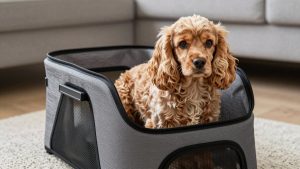
A booster seat raises a small dog so it can see out of the window, which can reduce anxiety and car sickness for some dogs. It is usually a padded box that straps around the headrest and seat back, with a short tether that clips to the dog’s harness. Look for a sturdy base that does not sag, a secure strap system that also goes around the seat back (not just the headrest), and a short, adjustable tether. Remember that most booster seats are designed for comfort and containment rather than crash protection unless the manufacturer publishes crash-test results.
Crash-tested carriers
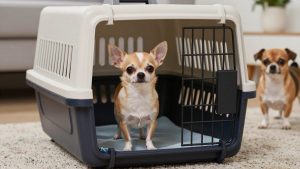
For the best protection, a rigid or semi-rigid carrier that has passed independent crash testing and is secured with the seat belt is the gold standard for small dogs. It is less exciting for the dog, since the view is limited, but it contains the dog far better in an impact.
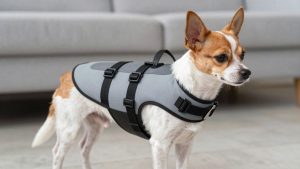
Crash-tested harness with tether
A small-size car harness with a short tether to the seat belt lets a Bichon sit or lie on the seat. It is a good option for dogs that dislike boxes.
Console seats
Seats that sit on the centre console keep the dog close to the driver but place it near the front airbags and within reach of the driver’s attention. Most safety advice is to keep dogs in the back seat.
| Option | Protection | Dog’s view | Typical price range |
|---|---|---|---|
| Booster seat + harness | Basic containment | Good | Check on Amazon |
| Crash-tested carrier | Highest for small dogs | Limited | Check on Amazon |
| Crash-tested harness + tether | Good when fitted | Good | Check on Amazon |
| Console seat | Low; near airbags | Good | Check on Amazon |
Sizing and setup
See also: How to Clean and Maintain a Pet Water Fountain: A Weekly Routine That Works • Best Automatic Cat Feeder With Battery Backup: 8 Picks and a Power-Cut Plan
For a booster seat, check the weight limit (a Bichon usually needs one rated to at least 20-25 lb) and interior size: the dog should be able to sit and lie curled up comfortably, roughly 15-18 inches across. Always attach the tether to a harness, never a collar, because a sudden stop could cause a neck or tracheal injury, and small breeds like Bichons can be prone to tracheal problems. Adjust the tether so the dog cannot jump or fall out of the seat. Install the seat in the back, ideally behind the passenger seat.
Comfort for a fluffy passenger
Bichons love soft surfaces, so a washable padded liner makes the seat inviting. A white coat shows dirt quickly, so a removable, machine-washable cover is useful. In warm weather, make sure air conditioning reaches the back seat; a small dog in a thick coat can overheat quickly, and a car should never be used to leave a dog unattended.
Helping a nervous or carsick Bichon
- Start with short, fun trips to a park or a friend’s house, not only the vet or groomer.
- Feed a light meal several hours before travel.
- Bring a familiar blanket or toy.
- Keep the car cool and well ventilated.
- Stop every one to two hours on long trips for a short walk and water.
If your Bichon drools, vomits or trembles on every drive, ask your vet about anti-nausea or anxiety options suitable for small dogs.
FAQ
Is a booster seat safe for a Bichon Frise?
It helps contain the dog and reduces distraction, but most boosters are not crash-tested. A crash-tested carrier offers the most protection.
Should I clip the car seat tether to my Bichon’s collar?
No. Always clip it to a well-fitted harness to protect the neck and trachea.
Bottom line
For a Bichon Frise, a booster seat rated for at least 20 lb, attached to a harness and fitted in the back seat, gives comfort and a view, while a crash-tested carrier or harness offers the best protection. Choose washable, padded materials for a white coat, keep the car cool, and build positive associations with short, fun trips.