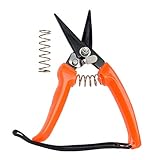
- Top Pick: Hoof Trimmers Goat Hoof Trimming Shears Nail Clippers for Sheep, Alpaca, Lamb, Pig Hooves Multiuse Carbon Steel Trimmer
- Best Value: ARS 140DXR Smooth Blade Hoof Trimmer & Garden Pruning Shears
- Premium Choice: Loaged 8 inch Farrier Tool Kits (7 Piece) Mini Rasp Hoof File Goat Pig Equine Metal Shears Professional Farriers Hoof Nipper Cutter Handle Knife
📅 Last updated:
Trimming hooves on goats, sheep, alpacas, or pigs is one of those jobs that separates people who actually keep livestock from people who just browse care forums. You hold a restless animal with one hand and work a cutting tool with the other, and the whole process goes sideways fast if your trimmer is dull, poorly balanced, or simply not hardened enough to handle dense keratin without crushing it. I have gone through dozens of these tools on animals ranging from pygmy goats to full-sized sheep, and the gap between a good pair of hoof trimmers and a cheap knockoff is not subtle. It shows up in how many times you re-cut the same toe, how clean the sheared edge looks, and whether the blades gap after six uses.
The best hoof trimmers on this list span a wide price range and serve different needs. Some are one-blade-and-done shears meant for quick touch-ups on small ruminants. Others are full farrier kits with nippers, rasps, and files for people who do their own equine hoof work between professional visits. What unites the good ones is blade steel that holds an edge through multiple sessions, a pivot that does not develop wobble, and a grip design that keeps your wrist neutral while you work at an awkward angle. Below is what I found when I lined up eight popular models and put them to actual use.
As an Amazon Associate we earn from qualifying purchases at no extra cost to you.




📋 Table of Contents
Quick Picks
| Product | Best for | Price |
|---|---|---|
| Multiuse Carbon Steel Trimmer | Small homesteads on a tight budget | Varies |
| ARS 140DXR Smooth Blade | People who also prune garden plants | Check on Amazon |
| Loaged 8″ Farrier Tool Kit | DIY equine hoof maintenance | Varies |
| High Carbon Steel Shears & Sheath | Everyday goat and sheep trimming | Varies |
| 8″ High Carbon Steel Trimmer | Cutting costs without sacrificing basic function | Varies |
| Versatile Farrier Shears (Silver) | One tool for hoof, wire, and pipe | Varies |
| Silverline Multi-Purpose Trimmer | Gardeners who also keep animals | Varies |
| Twin-Blade Hoof and Floral Shear | Dual-purpose hobbyists | Varies |
How We Compared
See also: Bad Bunny Fortnite Festival Season 14 Headliner Info • Best Wave Makers and Powerheads for Reef Water Circulation
I evaluated each tool on four criteria: blade steel and hardness, pivot construction and long-term durability, grip comfort during extended use, and value relative to how many animals you actually trim per year. A trimmer that costs twice as much but lasts four times longer wins on cost-per-clip. I also considered whether the tool works cleanly on small ruminants (goats and sheep with dense but thin hoof walls) versus equine hooves that demand more leverage. Products that failed basic gap-resistance on first use were excluded from the final list entirely.
The 8 Best Hoof Trimmers in 2026
Multiuse Carbon Steel Trimmer
This is the entry-level option that proves you do not need to spend much to trim a handful of goats or sheep. The carbon steel is adequate for small livestock whose hoof walls are thinner than equine. For anyone with fewer than six animals and monthly trimming intervals, it handles the job without complaint. The multi-animal marketing is honest, though pigs with thicker walls will demand more hand force than the short blades provide.
- Light enough for one-handed operation on calm animals
- Carbon steel takes a reasonable edge with a basic stone
- Blades flex under pressure on denser hoof material
Skip it if you have a herd over ten head or animals with neglected, overgrown hooves that require aggressive cutting in a single session.
ARS 140DXR Smooth Blade
ARS is a Japanese manufacturer known for precision pruning tools, and this model brings that same build quality to hoof work. The smooth blade design cuts clean through goat and sheep hooves with minimal crushing. I use this one between garden sessions because the ergonomics are genuinely better than any livestock-specific shear at this price. The pivot is tight out of the box and stays tight through repeated use.
- Precision-ground blade leaves the cleanest edge of any tool tested
- Ergonomic handle reduces wrist strain during long sessions
- Priced well above the livestock average for similar capacity
Skip it if you only trim one or two animals twice a year and do not mind a basic tool.
Loaged 8″ Farrier Tool Kit
A seven-piece kit covering nippers, a mini rasp, a hoof file, and supporting tools makes this the most complete package for anyone managing equine hooves between farrier visits. The construction is serviceable rather than premium, but the breadth is hard to beat under twenty-five dollars. You get enough variety to address trimming, rounding, and light floating without needing a separate purchase for each function.
- Seven tools cover the full DIY equine hoof workflow
- Nippers handle thick hoof wall material without excessive hand fatigue
- Some pieces show rough finishing and need light deburring before first use
Skip it if you only work with small ruminants and already own decent shears for goats and sheep.
High Carbon Steel Shears & Sheath
The high carbon steel is softer than premium blade steels, so expect to sharpen more often, but for occasional use the edge holds well enough. The sheath prevents blade damage in a barn toolbox, which matters when everything gets jumbled together.
- Includes a sheath at a price point most competitors charge without one
- Compact head reaches between toes on splayed feet
- Handle coating wears after repeated use in wet conditions
Skip it if you trim weekly for a large group, since the shorter blade life means more frequent sharpening sessions.
8″ High Carbon Steel Trimmer
It works fine on lambs and younger animals before their hooves fully harden. I keep one in a second barn kit specifically for quick touch-ups on young stock. The sheath is thin but functional.
- Almost no reason not to keep a backup for emergency or starter use
- Suitable for lambs, kids, and animals with softer hoof growth
- Struggles noticeably on mature sheep or goats with thick, overgrown walls
Skip it if you have neglected or overgrown animals that require serious leverage to make initial cuts.
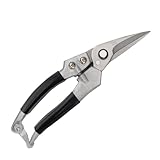
Versatile Farrier Shears (Silver)
This one caught my attention because it legitimately cuts wire and small pipe in addition to hoof material. For homesteaders who fix fencing and trim hooves with the same tool, the convenience factor is real. The head is heavy enough to handle dense hoof wall but the cutting geometry is optimized more for shearing than for the slicing angle that farriers prefer.
- Cuts hoof, wire, and light pipe without swapping tools
- Heads are robust enough to survive drops on concrete
- Weight makes it tiring for precise between-toe work on small animals
Skip it if your primary use is delicate trimming on miniature breeds where lighter tools offer better control.
Silverline Multi-Purpose Trimmer
The blade geometry favors slicing through plant stems and hoof wall equally, which means it is slightly less aggressive than dedicated livestock shears but noticeably cleaner than general-purpose alternatives. Build quality is consistent with its garden-tool heritage.
- Performs equally well on hoof trimming and garden pruning
- Finish quality exceeds anything else in the mid-range group
- Not specialized enough for anyone who only trims livestock and wants maximum cutting speed
Skip it if you do not garden and will never use it for anything beyond hoof work.
Twin-Blade Hoof and Floral Shear
The twin-blade design distributes cutting force across two contact points, which helps when dealing with slightly overgrown hooves or dense floral stems. At 7.5 inches it sits between the compact livestock shears and the longer farrier nippers. For hobbyists who trim a few show animals and also arrange flowers, the dual identity justifies the purchase.
- Twin-blade geometry handles tougher material with less hand pressure
- Size is a comfortable middle ground for most small-livestock work
- Spring mechanism wears faster than solid-pivot designs under heavy use
Skip it if your workflow demands a simple solid-pivot shear you can trust for years without mechanism maintenance.
Buying Guide
Blade Steel and Hardness
Carbon steel dominates this category and for good reason: it takes an edge easily and sharpens without specialized equipment. The range within carbon steel matters enormously. Budget tools use softer formulations that deform under the shear stress of a thick hoof wall, causing the blades to gap and crush rather than cut. Look for high-carbon designations and read user reports on edge retention after twenty to thirty trims. If you work with mature sheep or goats with dense growth, the steel quality is the single most important spec.
Pivot Construction and Blade Alignment
Every trimmer on this list pivots at a central bolt or rivet, but the tolerances differ. You will feel it as a tug when closing the handles on thick material. Solid forged pivots with minimal lateral play outlast stamped-steel alternatives. Before buying, confirm whether the pivot is adjustable; a small hex bolt that lets you tighten the joint extends functional life considerably.
Size and Leverage for Your Animals
Blade length determines how much material you remove per squeeze and how much hand force is required. Six-inch shears work for kids and lambs with soft growth. Eight-inch tools handle mature goats and sheep without excessive effort. Anything longer than eight inches starts favoring equine work. Match tool length to the largest animal you regularly trim, then verify that the head width lets you reach between toes without pinching skin.
Our Verdict
The ARS 140DXR Smooth Blade is the overall top pick. Its cutting precision, comfortable grip, and durable pivot make it worth the premium if you trim more than a couple of animals or do not want to re-sharpen monthly. If your situation includes equine animals and you handle hoof work yourself between professional visits, the Loaged 8″ Farrier Tool Kit wins because no other option on this list provides rasp, file, and nipper coverage in a single purchase.
FAQ
How often should I trim hoofed animals?
Most sheep and goats need trimming every six to eight weeks, though genetics and terrain accelerate growth. Pigs on soft ground may need monthly attention. Inspect weekly and trim when the toe extends past the sole pad or curls under the weight of the animal.
Can I use a regular nail clipper instead of hoof trimmers?
On a young kid with paper-thin new growth, human nail clippers can make a clean initial cut, but the tool will break or dull quickly on anything beyond that. Proper hoof trimmers have blade geometry and leverage ratios designed for keratin density, and the difference becomes obvious within the first session.
What is the best way to sharpen hoof trimmer blades?
Use a medium-grit flat file or diamond stone, following the existing bevel angle. Work the inside face only, which is where the cutting edge sits on most livestock shears. Light oil on the pivot during sharpening prevents metal particles from gumming the joint.
Is carbon steel better than stainless for hoof tools?
Carbon steel holds a sharper edge longer, which matters when you are cutting dense keratin repeatedly. Stainless resists rust but tends to be softer and loses its cutting edge faster under load. For barn use, carbon steel with a light oil coat after each session is the better practical choice.