📅 Last updated:
🛒 Best Price Today on Amazon
Prime members get fast, free shipping on everything above, plus member-only deals. New members get a 30-day free trial — cancel anytime.
📋 Table of Contents
Top Choose Dog Harness Complete Picks for 2026
Here are our current top choose dog harness complete picks, compared on real Amazon owner reviews, price, and features. Live prices update below.
As an Amazon Associate we earn from qualifying purchases at no extra cost to you.
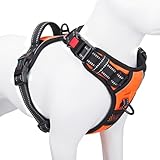


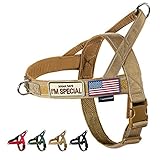


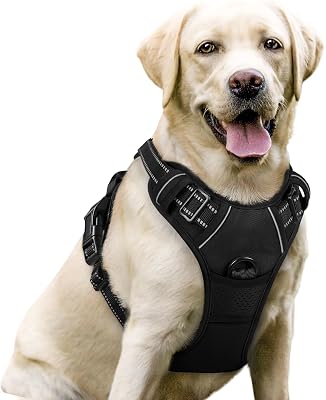

](https://m.media-amazon.com/images/I/61sRVUfvoEL._AC_SL400_.jpg)
Prime
Limited Time
PHOEPET No Pull Dog Harness Medium Reflective Front Clip Vest with Handle,Adjustable 2 Metal Rings 3 Buckles,[Easy to Put on & Take Off](M, Orange)
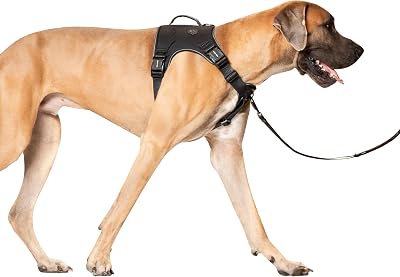


How to Choose a Dog Harness: Complete Buying Guide (2026)
Selecting the right dog harness is more than just a fashion choice; it’s a critical decision that impacts your dog’s comfort, safety, and your overall walking experience. A well-fitted harness can prevent painful chafing, reduce pulling that strains your dog’s neck and trachea, and provide better control during walks or training. Conversely, a poorly chosen harness can lead to discomfort, restrict movement, or even cause injury, turning what should be an enjoyable outing into a stressful ordeal for both you and your canine companion.
This comprehensive guide is designed to equip you with all the knowledge needed to make an informed decision when purchasing a dog harness. We’ll delve into the various types of harnesses available, explore the essential features to consider, discuss pricing tiers, highlight common pitfalls to avoid, and answer your most pressing questions. By the end of this guide, you’ll be confident in selecting a harness that perfectly suits your dog’s needs, your lifestyle, and your training goals.
Types of Dog Harness
See also: 7 Best Refillable Frozen Dog Treat Toys for Long-Lasting Licks • Best Dog Door Mat for Muddy Paws: Sizing, Materials and Picks by Entryway
No-Pull Harnesses (Front-Clip Harnesses)
These harnesses feature a leash attachment point on the dog’s chest. When your dog pulls, the pressure is redirected to the side, discouraging forward lunging and encouraging them to walk beside you. They are ideal for dogs who tend to pull on the leash, making walks more manageable and reducing strain on their neck.
Back-Clip Harnesses
With the leash attachment on the dog’s back, these harnesses are generally more comfortable for dogs and distribute pressure evenly across their chest and shoulders. They are a good option for dogs who don’t pull excessively, or for those who are being trained to walk politely. They can also be beneficial for dogs with certain medical conditions or sensitivities where pressure on the chest is undesirable.
Step-In Harnesses
Designed for ease of use, step-in harnesses require the dog to place their front paws through two loops, and then the back straps are fastened. They are often favored for smaller breeds or dogs who are hesitant about having a harness pulled over their head. However, they may not offer as much adjustability or control for strong pullers.
Overhead Harnesses
These are the most common type of harness, where the harness is placed over the dog’s head and then buckled around their body. They offer a secure fit and can be found in various designs, including back-clip and front-clip variations. Adjustability is key with overhead harnesses to ensure a snug but comfortable fit.
Dual-Clip Harnesses
Combining the benefits of both front-clip and back-clip designs, dual-clip harnesses offer two leash attachment points. This allows for versatility in training and walking. You can use the front clip for discouraging pulling and the back clip for more relaxed strolls or for dogs who don’t pull, offering a balanced approach to control and comfort.
Specialty Harnesses (e.g., Service Dog, Car Restraint)
These harnesses are designed for specific purposes. Service dog harnesses often include identification patches and may have handles for better control. Car restraint harnesses are engineered to safely secure a dog in a vehicle during travel, often connecting to seatbelt systems. Always ensure these specialized harnesses meet safety standards for their intended use.
Key Features to Look For
Material and Durability
Opt for harnesses made from high-quality, durable materials like strong nylon or robust canvas that can withstand daily wear and tear, as well as exposure to the elements. Look for reinforced stitching and sturdy buckles for longevity and safety.
Padding and Comfort
Generous padding, especially around the chest and under the legs, is crucial for preventing chafing and discomfort, particularly during longer walks or for dogs with sensitive skin. Soft, breathable materials contribute to overall comfort.
Adjustability
A harness with multiple adjustment points (e.g., around the neck, chest, and girth) ensures a customized and secure fit. This is vital as dogs come in various shapes and sizes, and a snug fit prevents escape and ensures proper function.
Leash Attachment Points
Consider the number and placement of leash attachment points. Front-clip (on the chest) is excellent for managing pulling, while back-clip (on the back) offers more freedom for dogs who walk nicely. Dual-clip options provide the best of both worlds.
Reflective Elements
For walks in low-light conditions, such as dawn, dusk, or nighttime, harnesses with reflective stitching or panels enhance visibility, significantly increasing your dog’s safety by making them more visible to motorists and cyclists.
Ease of Use (Putting On and Taking Off)
The harness should be straightforward to put on and take off your dog. This is especially important if your dog is energetic or doesn’t enjoy being handled extensively. Quick-release buckles can be a great feature.
Fit and Sizing
Accurate measurements of your dog’s neck and chest girth are paramount. Consult the manufacturer’s sizing chart carefully. A harness that is too loose can be an escape risk, while one that is too tight can cause discomfort and restrict movement.
Breathability
Especially important for dogs with thick coats or for use in warmer climates, breathable materials and designs (e.g., mesh panels) help prevent overheating and keep your dog comfortable during outdoor activities.
How Much Should You Spend?
Budget ($15
At this price point, you can find basic, functional harnesses, often made from standard nylon. They are suitable for light use or for dogs who don’t exhibit significant pulling. Durability might be a concern with heavy use, and padding may be minimal. These are good entry-level options for owners on a tight budget or for trying out different harness styles.
Mid-Range ($30
This tier typically offers a good balance of quality, features, and durability. You’ll find harnesses with better padding, more robust materials, improved adjustability, and often reflective elements. Many popular and highly-rated no-pull and versatile harnesses fall into this category, providing excellent value for everyday use and training.
Premium
Premium harnesses are constructed with the highest quality materials, advanced ergonomic designs, and superior comfort features. They often offer exceptional durability, specialized features like integrated handles for better control, or are designed for specific breeds or activities. For owners who prioritize maximum comfort, advanced functionality, and long-term investment, this tier is worth considering.
Common Mistakes to Avoid
- Incorrect Sizing: This is the most common and potentially dangerous mistake. A harness that is too big can slip off, while one that is too small can cause chafing, restrict breathing, or limit movement. Always measure your dog accurately.
- Ignoring Your Dog’s Needs: Not all harnesses are created equal, and what works for one dog may not work for another. Overlooking your dog’s temperament, breed, and any physical limitations when choosing a harness can lead to discomfort or ineffectiveness.
- Assuming One Size Fits All: Even within the same breed, dogs have different body shapes. Relying on general breed sizing without measuring can lead to a poor fit. Pay attention to the specific measurements recommended by the manufacturer.
- Not Testing for Comfort and Fit: Once you’ve purchased a harness, it’s crucial to have your dog wear it for a short period and observe their reaction. Look for signs of rubbing, discomfort, or restricted movement. Adjust as needed or consider an exchange if it’s not fitting properly.
- Over-reliance on a Harness for Training: While a good harness can be a valuable tool for managing pulling, it’s not a substitute for consistent training. The harness should complement, not replace, positive reinforcement techniques for loose-leash walking.
Frequently Asked Questions
Q: How do I measure my dog for a harness?
A: You’ll need a flexible measuring tape. Measure the circumference of your dog’s chest at its widest point, usually just behind their front legs. Then, measure the circumference of their neck where a collar would typically sit. Always refer to the specific sizing chart provided by the harness manufacturer, as measurements can vary between brands.
Q: My dog still pulls even with a no-pull harness. What am I doing wrong?
A: A no-pull harness is a tool, not a magic fix. Ensure the harness is fitted correctly and the leash is attached to the front clip. However, consistent training using positive reinforcement techniques for loose-leash walking is essential. Reward your dog when they walk beside you and stop moving forward when they pull, waiting for slack in the leash before continuing.
Q: Can a harness be harmful to my dog?
A: A properly fitted harness, used correctly, is generally safe and beneficial. However, ill-fitting harnesses, those made with poor materials, or those that put excessive pressure on the trachea or delicate areas can cause harm, including chafing, discomfort, or even injury. Always prioritize fit, material quality, and appropriate use.
Q: How often should I check my dog’s harness for wear and tear?
A: It’s a good practice to inspect your dog’s harness regularly, ideally before each use, for any signs of damage. Look for frayed stitching, worn-out straps, loose buckles, or any other indications of wear. Replace the harness immediately if you notice any damage to ensure your dog’s safety.
Q: When should I transition my puppy to a harness?
A: Puppies can begin wearing a harness once they are old enough to walk on a leash, typically around 8-12 weeks of age. Start with short, positive introductions to the harness, associating it with treats and praise. Begin with a lightweight, comfortable harness and gradually increase wear time as they become accustomed to it. Focus on positive experiences to build good associations from the start.
Final Thoughts
Choosing the right dog harness is an investment in your dog’s well-being and the enjoyment of your shared adventures. By understanding the different types of harnesses, carefully considering key features, being mindful of your budget, and avoiding common mistakes, you can confidently select a harness that provides comfort, safety, and optimal control. Remember to always prioritize a proper fit and observe your dog’s comfort and behavior to ensure you’ve made the best choice for your beloved companion.
Recommended Dog Harness Guides
- Best Dog Harnesses Top Paw Harness 2026
- Best Dog Harness For French Bulldogs 2026
- Best Dog Harness For Pullers 2026
- Best Dog Harness Top Paw 2026
- Best Good Dog Harness For Pulling 2026