- Top Pick: Henkelion Cat Carriers Dog Carrier Pet Carrier For Small / Medium Cats Dogs Puppies (Up To 15lbs), TSA Airline Approved Small Dog Carrier Soft Sided, Collapsible Waterproof Travel Puppy Carrier – Grey
- Best Value: Cat Dog Carriers Soft-Sided Pet Carrier Large Cats for Medium Big Cat Small Dog Puppy up to 16lbs TSA Airline Approved Animal Collapsible Cat Carrier Carriers Travel Carrier Cat Bag (17x11x11)
- Premium Choice: LEHNI Soft-Sided Cat/Dog/Pet Carrier, Collapsible Pets Travel Carriers
📅 Last updated:
For many cats, the carrier means only one thing: a dreaded trip to the vet. That negative association turns carrier time into a stressful battle of hiding, hissing, and scratching. The good news is that with patience and the right approach, you can transform the carrier from a source of terror into a familiar, even cozy, retreat your cat enters willingly.
This guide walks through a step-by-step method for introducing your cat to a new carrier, reducing stress for both of you before that next appointment or trip. We cover choosing the right carrier, building positive associations, and easing your cat into travel, referencing real carriers that make the process smoother.
As an Amazon Associate we earn from qualifying purchases at no extra cost to you.





⚡ Save on Your Next PC — Amazon Prime
Prime members get fast free shipping on the systems above, plus early access to Prime Day & Black Friday PC deals. New members get a 30-day free trial.
📋 Table of Contents
Watch: How to Introduce Your Cat to a New Pet Carrier — Video Review
Choose the Right Carrier First
See also: Air Filter For Cat Allergies • Best Pet Odor Eliminator Air Purifier
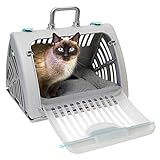
The introduction goes better when the carrier suits your cat. Soft-sided models like the Henkelion Cat Carrier or the LEHNI Soft-Sided Pet Carrier feel cozier and less clinical than hard plastic, while a hard-sided option like the SportPet Large Hard-Sided Travel Cat Carrier with a wide side-opening door makes loading a reluctant cat far easier. A carrier with multiple openings, especially a top-loading door, lets you lower a nervous cat in rather than forcing them through a narrow front.
Make It Part of the Furniture
Weeks before you need it, leave the carrier out in a room your cat frequents, door open, so it becomes an ordinary object rather than a rare and ominous one. Remove the door entirely if possible at first. Place a familiar blanket or an item with your scent inside so it smells safe. The goal is for your cat to investigate on their own terms, sniffing and eventually stepping in without pressure.
Build Positive Associations
Turn the carrier into a place good things happen. Drop treats just inside, then further back, letting your cat retrieve them at their own pace. Feed meals near and then inside the carrier, and toss a favorite toy in during play. A comfortable carrier with soft bedding, like many soft-sided models, encourages napping inside. Never use the carrier as punishment, and never drag your cat into it, which undoes the trust you are building.
Practice Short Trips
Once your cat enters willingly, close the door for a few seconds while they eat a treat, then open it again. Gradually extend the time, then carry the closed carrier around the house, then take a short car ride around the block. These low-stakes practice runs teach your cat that being in the carrier does not always end at the vet, which is the core of lasting calm.
Tips
- Spray a synthetic feline pheromone inside the carrier to add an extra layer of calming familiarity.
- Keep the carrier out year-round rather than only before appointments, so it never signals a stressful event.
- Use a top-loading or wide-door carrier so you never have to shove a scared cat through a small front opening.
- Stay calm yourself; cats read your tension, so a relaxed handler makes for a calmer cat.
Frequently Asked Questions
How long does it take to get a cat used to a carrier?
It varies by cat, but plan for a few weeks of gradual, positive exposure. Skittish cats may need longer. The key is patience; rushing the process reinforces the fear you are trying to undo.
Soft-sided or hard-sided carrier for a nervous cat?
Soft-sided carriers feel cozier and less clinical, which many nervous cats prefer, but a hard-sided carrier with a wide side or top door makes loading easier and offers more protection during travel. Consider your cat’s temperament and your trip type.
My cat still hides when the carrier appears. What now?
Leave the carrier out permanently so it stops being a warning sign, and rebuild positive associations with treats and feeding inside. If severe anxiety persists, ask your vet about calming aids for travel days.
Should I put a blanket in the carrier?
Yes. A soft blanket, ideally one carrying your scent or your cat’s, makes the interior inviting and secure. Covering the carrier partially during travel can also help an anxious cat feel safely hidden.
Conclusion
Introducing your cat to a carrier is an exercise in patience and positive association, not force. Choose a carrier that suits your cat, leave it out as everyday furniture, fill it with treats and comfort, and practice with short trips before any real journey. Do this and the carrier stops being an enemy, becoming instead a familiar den that makes vet visits and travel dramatically less stressful for you both.