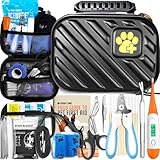
- Top Pick: Dog First Aid Kit – Vet-Approved Emergency Kit for Dogs & Cats – Essential
- Best Value: ARCA PET Cat & Dog First Aid Kit for Car – Pet Emergency Kit for Home Office Travel – Dog Camping Essentials with Muzzle & Mini First Aid Pouch
- Premium Choice: Dog First Aid Kit – Vet-Approved Emergency Kit for Dogs & Cats – Travel
📅 Last updated:
As an Amazon Associate, All Ears Pet Care earns from qualifying purchases. This article contains affiliate links — if you buy through them we may earn a small commission at no extra cost to you. We only recommend products we believe in.
🛒 Best Price Today on Amazon
Prime members get fast, free shipping on everything above, plus member-only deals. New members get a 30-day free trial — cancel anytime.
As an Amazon Associate we earn from qualifying purchases at no extra cost to you.


📋 Table of Contents
- Quick Comparison
- Top Picks at a Glance
- Category 1: Wound Care (8 items)
- Category 2: Immobilization and Transport (4 items)
- Category 3: Monitoring and Assessment (4 items)
- Category 4: Toxin Response (3 items)
- Category 5: Instruments (3 items)
- Category 6: Comfort and Stabilization (3 items)
- Complete Kit Spec Summary
- What Pre-Assembled Kits Miss
- Frequently Asked Questions
- Related Guides
- Related Articles
- Related Guides
Quick Comparison
| Product | Brand | Price | Rating | Availability |
|---|---|---|---|---|
| Furbulous True Odor-Free Automatic Self-Cleaning Cat Litter Box, Extra | FURBULOUS | $379.99 | 4.1★ (84) | In stock |
| Automatic Cat Feeder, 4L Dual Hopper Smart WiFi Pet Food Dispenser wit | PalNests | $29.99 | 4.2★ (53) | In stock |
| GPS Tracker for Dogs Collar (Android & iOS) – Bluetooth Dog GPS Tracke | MaviyTxen | $24.99 | 4.8★ (10) | In stock |
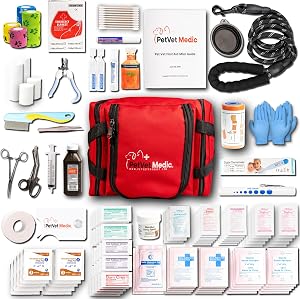
TL;DR: A pet first aid kit is useless in an emergency if you can’t find it or don’t know what’s in it. Build one around 7 core categories, store it where you can grab it in 10 seconds, and review it every 6 months. Pre-assembled kits save time but need supplementing — here’s exactly what to add.
Pet First Aid Kit Essentials: 25 Must-Have Items for Dogs and Cats
Every pet owner believes they’d handle an emergency calmly. Most don’t. Having pet first aid kit essentials organized, labeled, and accessible turns a panic moment into a managed one. This listicle covers everything a complete kit needs — organized by function, not alphabet — plus what pre-built kits routinely miss.
Top Picks at a Glance
See also: 7 Best Refillable Frozen Dog Treat Toys for Long-Lasting Licks • Best Dog Door Mat for Muddy Paws: Sizing, Materials and Picks by Entryway

FURBULOUS
Furbulous True Odor-Free Automatic Self-Cleaning Cat Litter Box, Extra Large for 3–22 lbs Cats, Smart APP Control, Self-Pack & Refill System, 3 Waste Bags Included, Upgraded Model – White

PalNests
Prime
Dual Chamber Automatic Cat Feeder 4L, Dry/Treat Portion | Smart WiFi Pet Food Dispenser 4L with 2.4&5G WiFi App, Custom Schedule & Portion Control for Dry Food and Treats, Black
As an Amazon Associate we earn from qualifying purchases. Product prices and availability are accurate as of the date/time indicated.
Category 1: Wound Care (8 items)
1. Non-stick sterile gauze pads (3×3 inch, qty 10+)
Primary wound coverage. Non-stick surface prevents the pad from bonding to wound tissue — critical because removing a stuck pad reopens wounds and causes significant pain. Stock at minimum 10 pads; larger dogs with larger wounds can consume 3–4 pads before you even reach the vet.
2. Cohesive bandage wrap (Vet Wrap, 2-inch roll)
Sticks to itself, not fur or skin. Standard ace bandages don’t hold on fur — vet wrap does. Use to secure gauze pads in place. Critical skill: wrap snugly enough to stay on but loose enough to fit two fingers underneath. Too tight cuts circulation within minutes.
3. Medical-grade sterile saline solution (500ml)
Wound irrigation removes debris without killing tissue cells. Hydrogen peroxide and alcohol damage healthy cells around wounds — saline doesn’t. Use to flush eye irritants, dirt from lacerations, or debris from paw pad cuts.
4. Styptic powder or pencil
Stops nail-cut bleeding in 30 seconds. Every pet owner who grooms at home needs this. Cornstarch works in a pinch but takes 3–4x longer. Apply with firm pressure directly to the cut nail end.
5. Sterile latex/nitrile gloves (4 pairs minimum)
Protects both you and the wound. A bleeding or scared animal may bite; gloves reduce puncture transmission risk. Doubles as barrier between your hand bacteria and an open wound.
6. Blunt-tip scissors
For cutting bandages, tape, and fur around wound sites. Blunt tip prevents accidental skin puncture when working around a moving, anxious animal. Keep dedicated to the first aid kit — kitchen scissors accumulate bacteria.
7. Adhesive medical tape (1-inch roll)
Secures gauze where vet wrap won’t sit flat — around joints, face, or between toes. Paper tape preferred over cloth for sensitive skin areas.
8. Alcohol prep pads
For sterilizing instruments, not wounds. Clean your scissors, tweezers, and thermometer probe — not the wound itself. Common misuse that causes tissue damage.
Category 2: Immobilization and Transport (4 items)
9. Emergency splint / foam padded finger splints (assorted)
For suspected fractures — immobilize, don’t try to set. Finger splints work for small dog and cat limb injuries. Improvised splints from stiff cardboard secured with vet wrap are equally effective if commercial splints aren’t available.
10. Rigid transport board or firm folded cardboard
Spinal injuries require flat transport. Never carry a spinal-injury suspect cradled — the flex of your arms causes further cord damage. A rigid surface kept near the kit is the difference between a recoverable injury and paralysis.
11. Nylon slip lead (one size fits most)
An injured dog in pain will flee and hide — often making injuries worse. A slip lead goes on a dog without a collar in 3 seconds. Keep one in the kit even if your dog always wears a collar; collars come off.
12. Muzzle or fabric strip for improvised muzzle
Friendly dogs bite when in pain — it’s reflex, not aggression. A commercial soft muzzle (sized to your pet) or a strip of soft fabric to loop and tie prevents injury to you while you’re treating them. Never muzzle a vomiting animal or one with respiratory distress.
Category 3: Monitoring and Assessment (4 items)
13. Digital rectal thermometer
Normal dog temp: 101–102.5°F. Normal cat temp: 100.5–102.5°F. Over 104°F is heatstroke territory; under 99°F is hypothermia. You cannot accurately assess these without a thermometer. Forehead scanners designed for humans are not accurate on pets.
14. Penlight or small flashlight
Pupil assessment, throat inspection, ear canal examination, and locating foreign objects in wounds all require focused light. Smartphone flashlights work but are awkward to aim with one hand while restraining an animal with the other.
15. Magnifying glass
Tick identification, splinter location, and wound debris assessment. Embedded glass or metal fragments in paw pads are nearly impossible to locate without magnification.
16. Vet contact card and emergency clinic address
Your regular vet, nearest 24-hour emergency clinic, ASPCA Animal Poison Control (888-426-4435), and Pet Poison Helpline numbers. Printed on a laminated card inside the kit — not saved only in your phone that may be dead or locked when you need it.
Category 4: Toxin Response (3 items)
17. 3% Hydrogen peroxide (for inducing vomiting — vet-directed only)
Only administer to induce vomiting on explicit instruction from a vet or poison control line. Many toxins cause more damage coming back up. Keep it in the kit as a vet-directed tool, not a first instinct. Dosage: 1 teaspoon per 5 lbs body weight, max 3 tablespoons, once only.
18. Activated charcoal (vet-directed only)
Binds toxins in the GI tract post-ingestion. Same rule — vet or poison control authorization required before use. Some toxins are worsened by charcoal.
19. Diphenhydramine (Benadryl) — plain, 25mg tablets
For anaphylactic reaction to insect stings — swelling around face, hives, sudden vomiting post-outdoor exposure. Dose varies by weight (consult your vet in advance for your specific pet’s dose). This buys time to reach emergency care, not a substitute for it. Never use formulas with decongestants, xylitol, or acetaminophen — those are toxic to pets.
Category 5: Instruments (3 items)
20. Fine-tip tweezers
Tick removal, splinter extraction, and foreign body removal from wounds. For ticks: grip as close to skin as possible, pull straight out with steady pressure — no twisting. Twisting leaves mouthparts embedded.
21. Oral syringe (10ml and 30ml)
Administering liquid medications, oral rehydration solutions, and flushing wounds at low pressure. Multiple sizes matter — 10ml for cats and small dogs, 30ml for large dogs.
22. Tick remover tool (credit-card style)
Faster and more reliable than tweezers for most users. Slides under the tick’s body and levers out cleanly. More forgiving technique-wise for owners who haven’t practiced tick removal.
Category 6: Comfort and Stabilization (3 items)
23. Emergency thermal blanket (mylar)
Compact, lightweight, reflects 90% of body heat. For shock, hypothermia, or transporting an injured pet in cold conditions. Cats in shock lose heat rapidly; a mylar blanket over a towel dramatically slows heat loss en route to the vet.
24. Saline eye wash single-use pods
For flushing foreign objects, chemicals, or plant material from eyes. Single-use pods stay sterile indefinitely — bulk bottles can harbor bacteria once opened. Tilt head, hold eye open, flush from inner corner outward.
25. Pet-specific electrolyte solution packets
For post-vomiting, post-diarrhea, or heat exhaustion rehydration. Human sports drinks contain artificial sweeteners (xylitol in some brands) toxic to dogs. Use veterinary formulations only.
Complete Kit Spec Summary
| Category | Item Count | Estimated Cost | Restock Frequency |
|---|---|---|---|
| Wound care | 8 items | $15–$25 | After use / annually |
| Immobilization | 4 items | $10–$20 | Check annually |
| Monitoring | 4 items | $15–$30 | Battery check 6 months |
| Toxin response | 3 items | $10–$15 | Check expiry annually |
| Instruments | 3 items | $8–$15 | Replace if damaged |
| Comfort/stabilization | 3 items | $10–$20 | After use |
| Total | 25 items | $68–$125 | Biannual review |
What Pre-Assembled Kits Miss
Most commercial pet first aid kits are solid on wound care basics but routinely omit: the rigid transport board, electrolyte packets, species-specific dosage reference card, and the emergency contact laminate. They also frequently include human-formula antiseptic wipes that are too harsh for animal wounds. Supplement any pre-built kit with these gaps immediately.
For ongoing pet health monitoring between emergencies, technology helps: our our furbo mini 360 pet camera review covers how remote monitoring can catch behavioral changes that precede medical events. For senior pets especially, behavioral monitoring tech is a strong complement to physical first aid prep.
If you manage multiple pets, a per-animal kit insert with species/weight/medication allergies laminated inside each kit saves critical time in emergencies. See our learn about multi cat household tech essentials for broader preparation strategies.
Frequently Asked Questions
Should I keep separate first aid kits for dogs and cats?
Ideally yes — dosages, muzzle sizes, and even some treatment approaches differ by species. At minimum, maintain separate labeled medication/dosage cards inside one shared kit. Critical difference: cats are far more sensitive to many common medications, including some that are safe for dogs. A single “pet” dosage card is dangerous — always confirm species-specific dosing with your vet in advance.
How often should I check and restock my pet first aid kit?
Full review every 6 months — check expiration dates on saline, hydrogen peroxide, Benadryl, and electrolyte packets. Check battery in thermometer and penlight. After any use, restock consumed items within 48 hours, not “eventually.” Set a calendar reminder linked to daylight saving time changes, same as smoke detector battery checks.
Are there pet first aid certification courses worth taking?
Yes — the American Red Cross offers a Pet First Aid course (in-person and online) that covers CPR for dogs and cats, choking response, wound management, and shock recognition. It’s roughly 4 hours and costs under $40. Knowing the kit’s contents is secondary to knowing how to use them under pressure. Hands-on practice on a CPR manikin is difficult to replicate from a guide alone.
What common household items should never go in a pet first aid kit?
Never include: ibuprofen or acetaminophen (both toxic to cats and dogs), any topical antibiotic containing neomycin (can cause hearing loss in cats), Listerine or other alcohol-based mouthwashes for wound cleaning, human-formula antidiarrheal medications containing bismuth subsalicylate (Pepto-Bismol), and any supplement containing xylitol. When in doubt, a substance goes in the kit only after explicit vet confirmation it’s species-safe.
Where should I store a pet first aid kit at home?
Accessible within 10 seconds from wherever you spend most time with your pet — not in a locked cabinet, not in the garage. Kitchen or utility room near the dog/cat area is typical. Avoid under sinks where pipe leaks can damage supplies. For homes with multiple floors, a smaller secondary kit on each level is worth the ~$30 duplication cost. A car kit (smaller, focused on wound care and transport) is separately recommended for active dogs.
For tech that supports year-round pet health monitoring and early issue detection, see our our deep-dive comparison — activity tracking data can reveal subtle behavioral changes that precede health events in active dogs.