📅 Last updated:
Sled dogs in long-distance races wear booties, but not to keep warm. Huskies have tough, well-furred feet built for snow; booties protect them from sharp ice crust, abrasion over hundreds of miles and the painful ice balls that form between the toes. For a pet Siberian Husky, the same logic applies on a smaller scale. The best dog boots for a Husky are light, secure at a trot, easy to put on and used for specific conditions such as salted roads, icy crust and summer asphalt. This guide covers when boots help, which styles work and how to fit them.
📋 Table of Contents
When a Husky benefits from boots
- Salted city sidewalks: de-icing chemicals can dry, crack and irritate pads, and dogs lick the residue off later.
- Ice balls: snow can compact into hard balls in the fur between the toes, causing pain and limping.
- Crusty snow and ice: sharp crust can cut pads on long runs.
- Pulling sports: sledding, scootering and skijoring over long distances can wear down pads.
- Hot pavement: Huskies are more sensitive to heat than cold, and summer asphalt can burn pads.
On clean snow and short walks, most Huskies do fine without boots.

XSY&G Dog Shoes for Hot Pavement, Dog Snow Booties for Medium to Large Dogs
Included for 'Best Dog Boots for Siberian Husky' because the listing specifies Dog Snow Booties for Medium to Large Dogs, details this guide uses to compare options.
View on Amazon
QUMY Dog Shoes for Hot Pavement, Dog Snow Boots & Paw Protectors for Winter
Included for 'Best Dog Boots for Siberian Husky' because the listing specifies Dog Snow Boots & Paw Protectors for Winter, details this guide uses to compare options.
View on Amazon
PawZ Rubber Dog Boots for Medium Paws - All-Weather Waterproof Dog Shoes, Anti-Slip Traction for Rain, Snow, Mud & Hot Pavement - Pull-On Dog Booties, Black - Medium (2.5" - 3") - Pack of 12
Included for 'Best Dog Boots for Siberian Husky' because the listing specifies All-Weather Waterproof Dog Shoes and Anti-Slip Traction for Rain, details this guide uses to compare options.
View on Amazon
PawZ Rubber Dog Boots - Waterproof Non-Slip Dog Shoes for Hot Pavement, 12 Pack
Included for 'Best Dog Boots for Siberian Husky' because the listing specifies Waterproof Non-Slip Dog Shoes for Hot Pavement and 12 Pack, details this guide uses to compare options.
View on AmazonBoot styles for Huskies
See also: Best Electric Dog Fences for Reliable, Humane Containment • Best Dog Boots for Basset Hound
Fabric sled-dog booties
Thin, lightweight fabric booties with a Velcro strap are the standard in dog sledding. They are inexpensive, easy to put on and suit running on snow. They wear out quickly on pavement, so many mushers buy them in packs.
Rubber-soled boots
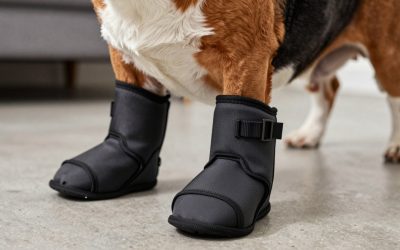
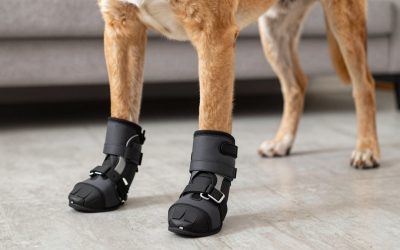
Boots with flexible rubber soles last longer on mixed terrain, salted roads and trails. Choose ones that are not too heavy, as bulky boots change a Husky’s efficient trotting gait.
Balloon rubber booties
Thin, disposable rubber booties are waterproof and good for salted city walks. They are less secure for running.
| Boot type | Best use | Typical paw width for Huskies | Typical price range |
|---|---|---|---|
| Fabric sled booties | Snow, sledding, skijoring | About 2.25-2.75 in (M-L) | Varies |
| Rubber-soled all-terrain boots | Trails, salt, mixed terrain | About 2.25-2.75 in | Varies |
| Balloon rubber booties | Salted sidewalks | M-L | Varies |
| Breathable summer boots | Hot pavement | M-L | Varies |
Measuring and fitting
- Have your Husky stand on paper with weight on the foot.
- Mark the widest points and measure width; measure length from the back of the pad to the tip of the longest nail.
- Choose by width and check the brand chart for front and rear sizes, which may differ.
- Fasten the strap above the wrist pad snugly but not tight; you should slide a finger under it.
Trim the fur between the pads so the boot fits properly and ice balls cannot build up, and keep nails short.
Introducing boots
Most Huskies do an exaggerated high-step the first time. Start indoors with one boot and treats, then add more over several sessions. Taking your dog out for an exciting activity, such as a run or a pull, immediately after putting boots on helps it forget about them. Check the feet after every outing for rubbing, especially at the dewclaw.
Paw care beyond boots
- Rinse paws after walking on salted roads and dry between the toes.
- Use paw wax or balm before winter runs to reduce ice buildup and cracking.
- Check pads for cuts and cracks after sledding or trail runs.
- Test pavement in summer with the back of your hand; if it is too hot for 5-7 seconds, it is too hot for paws.
Persistent limping, swelling, bleeding pads or excessive licking of the feet need a vet check. Crusting and hair loss on the pads or around the face can be linked to zinc-responsive dermatosis, a condition seen in the breed.
Common mistakes
- Using heavy, stiff boots that change the gait.
- Leaving boots on for hours after they get wet.
- Fastening straps too tight, restricting blood flow.
- Assuming a Husky’s feet can handle hot summer asphalt because they handle snow.
FAQ
Do Huskies need boots in snow?
Usually not for short walks in clean snow. Boots help with salt, icy crust, ice balls and long-distance pulling.
Why do sled dogs wear booties?
Mainly to protect pads from abrasion and ice injuries over long distances, not for warmth.
Bottom line
Boots are a situational tool for Siberian Huskies: light fabric booties for sledding and snow sports, rubber-soled boots for salted streets and trails, and breathable boots for hot pavement. Measure paw width, fit straps carefully, trim fur between the pads and check feet after every outing.