📅 Last updated:
Havanese love to go wherever their people go, and that includes the car. The breed’s companion nature makes most Havanese happy travelers, but a 7 to 13 pound dog loose in a vehicle is at real risk in a sudden stop, and a velcro dog trying to climb into the driver’s lap is a hazard for everyone. A car seat or carrier keeps your Havanese safe, calm, and close.
📋 Table of Contents
Why a car seat matters for a Havanese
In a collision or even a hard brake, an unrestrained small dog is thrown forward with far more force than its weight suggests. Front-seat airbags can also seriously injure small dogs. A secured car seat or carrier keeps the dog in place, reduces distraction, and, with a raised booster, lets a curious Havanese see out the window, which helps many dogs relax.
Car seat options for Havanese
See also: Best Electric Dog Fences for Reliable, Humane Containment • Best Dog Boots for Basset Hound
| Option | Suits a Havanese? | Pros | Cons |
|---|---|---|---|
| Raised booster seat with tether | Very good | View out the window, calm | Tether must go to a harness |
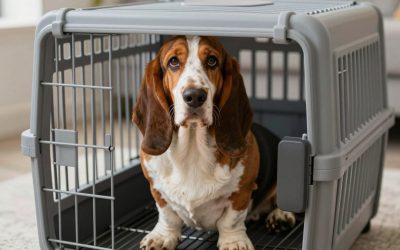
| Crash-tested carrier secured with seatbelt | Excellent for safety | Best protection | Less view |
| Soft crate on back seat | Good | Familiar space for crate-trained dogs | Secure it firmly |
| Console seat | Fair | Dog close to driver | Distracting, near airbags |
| Loose on lap or seat | No | None | Unsafe |
What to look for in a Havanese car seat
Size and weight rating
Most booster seats are rated to 20 to 30 pounds, which covers a Havanese. Choose a seat about 15 to 20 inches across so a 10-pound dog is snug but can lie down.
Tether to a harness only
Clip the car seat tether to the back of a well-fitted harness, never to a collar. Keep the tether short enough that the dog cannot jump or hang over the side.
Firm installation
The seat should be secured with the car’s seatbelt through its base and a headrest strap. Test it by pushing; it should not tip or slide.
Washable, smooth lining
A removable cover is essential for car sickness or muddy paws. Smooth fabrics are kinder to the long coat than rough fleece.
Helping an anxious Havanese travel
Because the breed bonds so closely with its people, some Havanese get anxious when they cannot reach you. A few things help:
- Place the seat on the back seat where the dog can see you but not climb over.
- Bring a familiar blanket or T-shirt with your scent.
- Build up with short, positive trips to fun places, not just the vet.
- For motion sickness, feed a light meal a few hours before driving and talk to your vet if nausea or drooling continues.
Travel safety reminders
- The back seat is the safest place. If a front seat is unavoidable, turn off the passenger airbag if possible.
- Stop every 2 hours for water and a potty break on long trips.
- Keep windows raised enough that the dog cannot lean out.
- Never leave a Havanese in a parked car in warm weather. Temperatures inside a car climb quickly, even with windows cracked.
Common mistakes
- Attaching the tether to a collar.
- Letting the dog ride on a lap, which is unsafe and in many places illegal.
- Buying an oversized seat that lets the dog slide around in a turn.
- Only using the car for vet visits, which teaches the dog to dread car rides.
Packing a travel kit for a Havanese
A long coat and a small body mean a few extras are worth bringing: a collapsible water bowl and bottle, poop bags, a small towel for muddy feet, a spare leash and ID tag, and a slicker brush and comb for a quick tidy after a day out. Bring any regular medications and a copy of vaccination records if you are crossing borders or staying in pet-friendly lodging. For long drives, a portable pen gives your Havanese a safe space in hotel rooms.
FAQ
What is the safest car seat for a Havanese?
A crash-tested carrier secured with a seatbelt on the back seat offers the best protection. A booster seat with a tether attached to a harness is a good option for dogs that travel better when they can see out.
Can my Havanese ride in the front seat?
It is safer in the back. Airbags can injure small dogs. If the front seat is your only option, disable the passenger airbag if your car allows it and secure the seat firmly.
Bottom line
The best car seat for a Havanese is a 15 to 20 inch booster seat or crash-tested carrier secured on the back seat, with a short tether that clips to a harness. Add a familiar blanket, take regular breaks, and build positive car experiences so your velcro dog enjoys the ride.