📅 Last updated:
The Havanese is a sturdy little toy dog, usually 7 to 13 pounds, with a silky coat, a clownish personality, and an appetite that can outpace its activity level. Because the breed is so food-motivated and so easy to spoil, the most common feeding problem is not a missing nutrient but slow, steady weight gain. The right food for a Havanese is a complete small breed diet in a kibble size that suits a small mouth, fed in measured portions, with an eye on dental health and that famous coat.
📋 Table of Contents
How much should a Havanese eat?
A typical adult Havanese of about 10 pounds, spayed or neutered and moderately active, needs roughly 300 to 400 calories a day. Smaller or less active dogs may need closer to 250; young, busy dogs may need more. Check the kcal per cup on your food, since small breed foods vary widely.

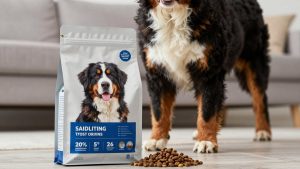
Hill's Science Diet Adult 1-6 Small & Mini Dry Dog Food
Included for 'Best Dog Food for Havanese' as a relevant option in this category; details come from the product listing.
View on Amazon
Purina Pro Plan Small Breed Dry Dog Food, Shredded Blend, 6 lb Bag
Included for 'Best Dog Food for Havanese' because the listing specifies Shredded Blend and 6 lb Bag, details this guide uses to compare options.
View on Amazon
Royal Canin Size Health Nutrition Small Breed Dog Food Dry, Supports Healthy Weight, Digestive Health and Healthy Skin and Coat, 14 lb Bag
Included for 'Best Dog Food for Havanese' because the listing specifies Supports Healthy Weight and Digestive Health and Healthy Skin and Coat, details this guide uses to compare options.
View on Amazon| Havanese | Approximate daily calories | Meals per day |
|---|---|---|
| Puppy, 8 to 16 weeks | Per growth label, by weight | 3 to 4 |
| Puppy, 4 to 12 months | Per growth label, by weight | 3 |
| Adult, 8 lb, less active | About 250 to 300 kcal | 2 |
| Adult, 11 to 13 lb, active | About 350 to 450 kcal | 2 |
| Senior, less active | 10 to 20 percent less than adult | 2 |
Weigh your Havanese monthly. With all that hair, weight gain is easy to miss by eye. Feel for ribs under the coat: you should feel them easily with a light layer of cover.
What to look for in a Havanese food
See also: Best Electric Dog Fences for Reliable, Humane Containment • Best Dog Boots for Basset Hound
Complete and balanced for life stage
Choose a food that meets AAFCO or equivalent nutrient profiles for growth (puppies) or adult maintenance. Small breed formulas are a good match for most Havanese.
Small kibble size
Havanese have small mouths, and like many toy breeds they are prone to dental disease. Small-bite kibble is easy to chew. Daily tooth brushing is still the main defense.
Fatty acids for skin and coat
The Havanese coat is long and silky and grows continuously. Foods with a good balance of omega-3 and omega-6 fatty acids support skin health and coat quality. A dull, dry coat can reflect diet, grooming, or health; if it changes suddenly, ask your vet.
Moderate calories and fat
Because Havanese gain weight easily, a food with moderate calorie density and a clear feeding guide is easier to manage than a very rich formula.
Picky eaters and the Havanese
Havanese are notorious for training their owners. Skip a meal and a Havanese may hold out for chicken. Pick a food, feed at set times, and remove the bowl after 15 to 20 minutes. Adding a spoon of plain wet food or warm water to kibble is fine, but frequent switching tends to create pickier dogs. A sudden loss of appetite, however, is a reason to call the vet.
Health notes relevant to feeding
- Liver shunt (portosystemic shunt) occurs in the breed. Poor growth, stunted size, or neurological signs after meals in a puppy should be checked by a vet, who may recommend a special diet.
- Tear staining is common in light-coated Havanese. Diet changes are sometimes promoted as a fix, but staining usually relates to eye and tear duct anatomy. Keep the face clean and ask your vet if staining is sudden or heavy.
- Food allergies can show up as itchy paws, ear infections, or skin problems. Diagnose with your vet before switching to an elimination diet.
Food formats compared
| Format | Pros for a Havanese | Cons |
|---|---|---|
| Small breed dry kibble | Convenient, portion-friendly | Some picky dogs get bored |
| Wet food | Palatable, moisture | More dental buildup, costlier |
| Fresh or gently cooked | Very palatable | Expensive, must be refrigerated |
| Kibble with wet topper | Picky eaters | Count calories from both |
Common mistakes
- Free-feeding or topping up the bowl whenever it is empty.
- Treats that add up; keep them under 10 percent of daily calories, about 30 to 40 calories for a 10-pound dog.
- Feeding from the table. Fatty foods can trigger pancreatitis, and onions, grapes, chocolate, and xylitol are toxic.
- Changing foods abruptly; transition over 7 to 10 days.
FAQ
How many times a day should I feed my Havanese?
Two meals a day suits most adults. Puppies need three to four smaller meals, and toy breed puppies should not go long without food.
What is the best way to keep my Havanese at a healthy weight?
Measure every meal with a scale or measuring cup, count treats, and weigh monthly. Use part of the daily kibble as training treats, since Havanese love to learn tricks.
Bottom line
The best food for a Havanese is a complete and balanced small breed formula with small kibble, quality protein, and good omega fatty acid levels, fed in measured portions of about 300 to 400 calories a day for a typical adult. Keep treats modest, weigh your dog under all that coat, and pair any diet with daily tooth brushing.