📅 Last updated:
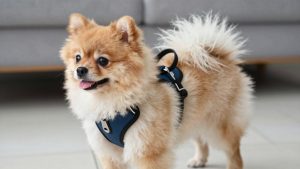
The Pomeranian’s standout feature is its coat: a short, dense, cottony undercoat under a longer, harsh outer coat that stands out from the body. That fluffy look depends on regular brushing. Skip it and the undercoat compacts into mats behind the ears, in the armpits, and on the “pants.” Brush the wrong way and you break the outer coat. Here are the tools that work for a Pom and a routine that keeps the coat full and healthy.
📋 Table of Contents
The essential Pom brush kit
Slicker brush, small
A small slicker brush with fine, flexible pins is the workhorse. It lifts dead undercoat and separates hair. Use a light touch; pressing too hard on a small dog’s thin skin can cause brush burn.

Self Cleaning Slicker Dog Brush for Small Long-Haired Breeds (Pink)
Included for 'Best Dog Grooming Brush for Pomeranian' as a relevant option in this category; details come from the product listing.
View on Amazon
BioSilk for Pets Eco-Friendly Detangling Pin Brush for Dogs
Included for 'Best Dog Grooming Brush for Pomeranian' as a relevant option in this category; details come from the product listing.
View on Amazon
Warren London Gentle Touch Slicker Brush for Puppies & Small Dogs
Included for 'Best Dog Grooming Brush for Pomeranian' as a relevant option in this category; details come from the product listing.
View on Amazon
2PCS Slicker Brush for Small Dogs –Grooming Brush & Comb Kit for Pomeranian
Included for 'Best Dog Grooming Brush for Pomeranian' because the listing specifies Grooming Brush & Comb Kit for Pomeranian, details this guide uses to compare options.
View on AmazonPin brush
A pin brush with rounded tips is gentler for finishing and helps lift the outer coat so it stands out in that classic Pom shape.
Metal comb
A fine and medium tooth steel comb is how you check your work. When the comb slides through to the skin everywhere, you are done. Use the fine end on the soft fur behind the ears and on the face.
Undercoat rake, small
During seasonal sheds, a small undercoat rake helps remove loose undercoat in bulk. Use it lightly; a Pom’s coat is fine and dense rather than coarse.
Brushes compared for Pomeranian coat
See also: Best Electric Dog Fences for Reliable, Humane Containment • Best Dog Boots for Basset Hound
| Tool | Job | How often |
|---|---|---|
| Small soft slicker brush | Remove loose undercoat, detangle | 3 to 4 times a week |
| Pin brush | Lift and finish outer coat | After slicker |
| Steel comb, fine and medium | Find mats, check work | Every session |
| Small undercoat rake | Heavy sheds | During coat blow |
| Grooming spray or conditioner mist | Reduce static and breakage | Lightly before brushing |
| Small scissors, blunt-tipped | Trim feet, sanitary area | Every few weeks |
Line brushing: the Pom technique
Line brushing is the most effective way to groom a Pom:
- Lightly mist the coat with a grooming spray or water to reduce breakage and static.
- Start at the back leg. Hold the coat up with one hand to expose a line of skin.
- Brush the hair below the line downward and outward with the slicker, a small section at a time.
- Move the line up a half inch and repeat, working up the body.
- Finish with the comb, then use the pin brush to lift the coat outward.
A full line brushing takes 15 to 20 minutes on a Pom and is best done three or four times a week, more during a coat blow.
Do not shave a Pomeranian
Shaving a Pom’s double coat is not recommended. The coat protects against heat, cold, and sunburn, and some Poms regrow patchy or thin coat after clipping. Also, Pomeranians are prone to a hair loss condition called alopecia X, sometimes called black skin disease, which causes symmetrical coat loss on the body. If you notice thinning or bald areas that are not from mats, see your vet.
Grooming as a health check
While brushing, look for fleas, dry skin, lumps, and redness. Check the eyes for discharge, lift the lips to check teeth and gums, and look at the ears. Poms are prone to dental disease, so grooming time is a good moment to brush the teeth too.
Common mistakes
- Brushing only the top layer so the surface looks fluffy while mats form underneath.
- Brushing a dry, static coat, which breaks hair. Use a light mist first.
- Using a large-dog slicker with stiff pins.
- Skipping behind the ears and the armpits, the first places mats form.
- Bathing a matted Pom; water tightens mats.
FAQ
How often should I brush my Pomeranian?
Three or four times a week for a thorough line brushing, and daily during a heavy shed. Short daily sessions are easier for both of you.
What is the best brush for a Pomeranian puppy?
A soft slicker brush and a steel comb. Pom puppies have a softer coat that changes around 4 to 8 months; getting them used to gentle brushing early makes grooming easier later.
Bottom line
The best grooming tools for a Pomeranian are a small soft slicker, a pin brush, a steel comb, and a small undercoat rake for sheds, used with line brushing three or four times a week. Keep the coat intact rather than shaving, and use grooming time to check skin, teeth, and any unusual hair loss.