📅 Last updated:
For many dog breeds, the harness-versus-collar question is a matter of preference. For Cocker Spaniels, there is a stronger case for a harness. The breed is predisposed to eye problems, including glaucoma, and research has shown that pressure from a collar on the neck during pulling can raise the pressure inside the eyes. Add a medium-length silky coat that mats easily and a tendency for some Cockers to pull when excited, and choosing the right harness becomes an important part of caring for this breed.
📋 Table of Contents
Why a harness is especially important for Cockers
Studies in dogs have found that pulling against a collar can temporarily increase intraocular pressure, while a harness does not have the same effect. For a breed like the American Cocker Spaniel, which has a high risk of primary glaucoma, avoiding repeated neck pressure is a sensible precaution. A harness also protects the throat of a dog that pulls with enthusiasm.

PHOEPET No Pull Dog Harness Medium Reflective Front Clip Vest with Handle
Included for 'Best Dog Harness for Cocker Spaniel' as a relevant option in this category; details come from the product listing.
View on Amazon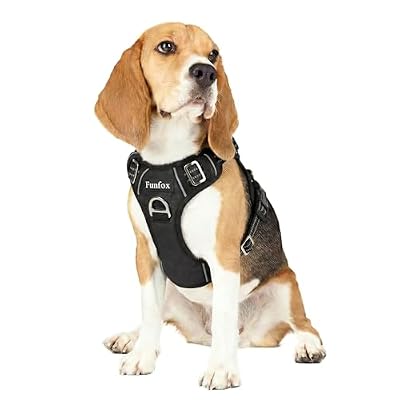
Funfox Dog Harness Medium Sized Dog, Vertical Handle Easy Control, No Pull Pet Vest Adjustable with 2 Leash Clips, Soft Material, Reflective Safe Night Walking for Small Medium Large Breed, Black, M
Included for 'Best Dog Harness for Cocker Spaniel' because the listing specifies Vertical Handle Easy Control and No Pull Pet Vest Adjustable with 2 Leash Clips, details this guide uses to compare options.
View on Amazon
PoyPet No Pull Dog Harness Medium with Front Clip & Neck Release Buckle
Included for 'Best Dog Harness for Cocker Spaniel' as a relevant option in this category; details come from the product listing.
View on AmazonCocker build and fit
See also: Best Electric Dog Fences for Reliable, Humane Containment • Best Dog Boots for Basset Hound
American Cockers are compact, 20-30 lb dogs with a deep chest and a relatively short back. English Cockers are slightly larger and more athletic. Typical chest girth is 18-24 inches for American Cockers and 20-26 inches for English Cockers. The coat on the chest, legs and belly is feathered and silky, so harness straps must be positioned to avoid rubbing and matting.
Harness styles for Cockers
| Harness type | Neck pressure | Coat friendliness | Best use |
|---|---|---|---|
| Y-front, front + back clip | None | Good | Everyday walks, training |
| Soft mesh step-in | None | Moderate (can mat long coat) | Calm walkers, puppies |
| Vest harness | None | Moderate | Cooler weather, small dogs |
| Front-attach no-pull chest strap | None | Moderate | Short-term for pullers |
| Head halter | Some on face | Good | Not usually needed for Cockers |
What to look for
Y-shaped front
A Y-front sits on the breastbone and leaves the shoulders free. It avoids pressure on the throat and allows natural movement.
Smooth, low-friction straps
Cocker feathering tangles easily under rough webbing. Smooth nylon or lined straps reduce matting. Avoid thick fleece padding that traps moisture and hair.
Easy on-and-off
Some Cockers are sensitive about having their heads and feet handled. A harness with a buckle at the neck avoids pulling it over the head, which can make the process more comfortable.
Adjustable fit
At least four adjustment points help fit a deep chest and short back without gaps or rubbing.
Fitting a Cocker harness
Measure chest girth behind the front legs, parting the coat so the tape sits on the skin. Adjust so two fingers fit under each strap. Check that the girth strap sits a hand’s width behind the elbow and that no strap rubs in the armpit. After a few walks, look for redness or tangles under the straps and brush these areas after each use.
Coat care with a harness
Harnesses left on all day will cause mats in a Cocker’s coat. Put the harness on for walks and take it off afterward. Brush the chest, armpits and back where straps sit several times a week, especially if the coat is kept long.
Other health considerations
Cocker Spaniels can also be affected by patellar luxation and hip dysplasia. A harness that allows free movement, combined with a healthy weight, supports joint comfort. If your Cocker shows skipping, limping or stiffness, see your vet.
Harnesses for puppies and seniors
Cocker puppies grow fast between eight weeks and six months, so start with an inexpensive, lightweight adjustable harness and refit it every week or two. Get the puppy used to handling of the head and feet during this stage, which makes harnessing, grooming and vet visits easier for life. For senior Cockers, especially those with cataracts, glaucoma or stiff joints, a harness with a padded back handle lets you guide the dog, steady it on stairs and lift it gently into the car without pulling on the neck.
FAQ
Is a harness better than a collar for a Cocker Spaniel?
For walking, yes. A harness avoids neck pressure, which is important for a breed prone to glaucoma, and protects the throat.
What size harness does a Cocker need?
American Cockers usually fit a small-medium harness for an 18-24 inch chest; English Cockers often need a medium. Always measure and check the brand’s chart.
Bottom line
The best harness for a Cocker Spaniel is a smooth, adjustable Y-front harness with front and back clips, fitted under the coat and used only for walks. It protects the eyes and throat from collar pressure, reduces pulling and, with regular brushing under the straps, keeps the coat free of mats.