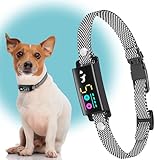
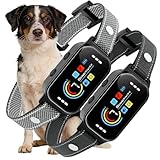
- Top Pick: FAFAFROG Dog Bark Collar, Rechargeable Smart Collar, Anti Barking Training Collar with 5 Adjustable Sensitivity Beep Vibration, Bark Collar for Large Medium Small Dogs (Black)
- Best Value: Dogrook Humane No Shock Rechargable Beep & Vibration Bark Collar for Dogs
- Premium Choice: No Shock Bark Collar for Small Dogs 8-40 lbs – Beep & Vibration, Smart Screen, 5 Sensitivity, Anti-False Trigger, Magnetic Rechargeable, IP67 Waterproof, Black/Grey
📅 Last updated:
As an Amazon Associate, All Ears Pet Care earns from qualifying purchases. This article contains affiliate links — if you buy through them we may earn a small commission at no extra cost to you. We only recommend products we believe in.

TL;DR: Humane bark collars use vibration, ultrasonic sound, or citronella spray — not electric shock — to interrupt excessive barking. They work best as a bridge tool alongside training, not a permanent fix. Vibration models score highest for effectiveness without distress in independent testing.
As an Amazon Associate we earn from qualifying purchases at no extra cost to you.





Humane Bark Collar for Dogs 2026: No-Shock Options That Actually Work
Excessive barking strains relationships with neighbors, landlords, and the dog itself — a stressed, bored, or anxious dog barks more, not less, when stressed further by shock. The good news: vibration, ultrasonic, and citronella alternatives have closed the gap on shock collar effectiveness while eliminating the welfare concerns. Here’s what the science and the user data say about each method.
🛒 Best Price Today on Amazon
Prime members get fast, free shipping on everything above, plus member-only deals. New members get a 30-day free trial — cancel anytime.
📋 Table of Contents
Top Picks at a Glance

31
Prime
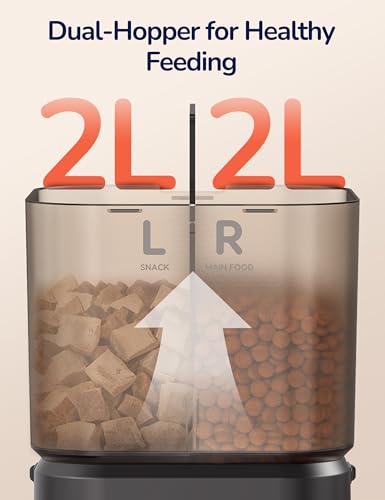
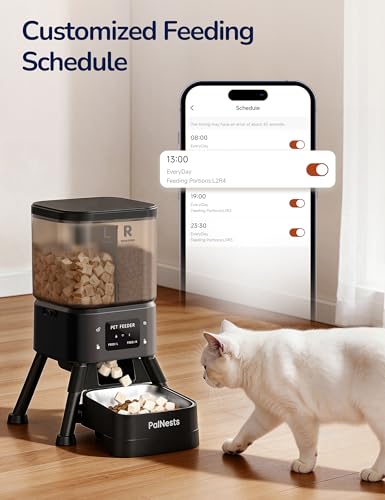
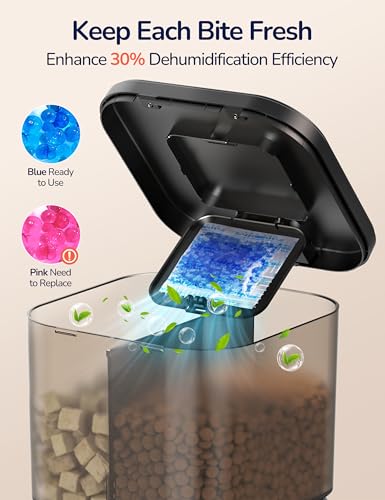
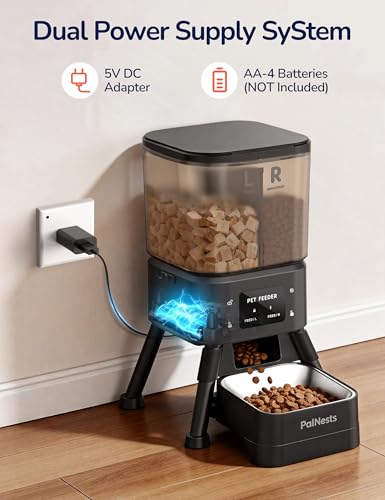
Dual Chamber Automatic Cat Feeder 4L, Dry/Treat Portion | Smart WiFi Pet Food Dispenser 4L with 2.4&5G WiFi App, Custom Schedule & Portion Control for Dry Food and Treats, Black
In Stock


As an Amazon Associate we earn from qualifying purchases. Product prices and availability are accurate as of the date/time indicated.
Understanding Bark Collar Mechanisms
See also: 7 Best Refillable Frozen Dog Treat Toys for Long-Lasting Licks • Best Dog Door Mat for Muddy Paws: Sizing, Materials and Picks by Entryway
The three humane categories work through different interrupt pathways. Vibration collars deliver a physical sensation at the dog’s throat the moment barking is detected — startling without pain, effective for medium-to-large dogs, less effective on small breeds with sensitive necks. Ultrasonic collars emit a high-frequency sound audible to dogs but not humans — works well for sound-sensitive dogs, less reliable in multi-dog homes where it can affect the wrong dog. Citronella spray releases a burst of scent at bark detection — highest distraction factor, requires refill cartridges, most effective in independent studies for stubborn barkers.
All three share the same core limitation: they interrupt the symptom, not the cause. A dog barking from separation anxiety, territorial alarm, or boredom will often resume when the collar is removed or adapt around it. Pairing with behavioral training and environmental enrichment — puzzle feeders, increased exercise, desensitization protocols — produces lasting results. The collar gets you to manageable while training takes effect.
Comparison Table
| Feature | Vibration | Ultrasonic | Citronella |
|---|---|---|---|
| Mechanism | Physical buzz at throat | High-freq sound burst | Scent spray at muzzle |
| Effectiveness | High for med/large dogs | Moderate, breed-variable | Highest in studies |
| Multi-dog homes | Good — dog-specific | Poor — affects all dogs | Good — dog-specific |
| Small breeds | Use caution (neck size) | Best option | Good |
| Ongoing cost | Low — rechargeable | Low — rechargeable | Medium — refill carts |
| Welfare rating | High | High | High |
Sizing and Fit: the Most Overlooked Factor
A bark collar that doesn’t make firm contact with the throat won’t trigger consistently — leading to unreliable correction that confuses dogs and builds frustration rather than understanding. Measure your dog’s neck circumference and check the collar’s contact points reach the skin through the coat. Dogs with thick fur (Huskies, Golden Retrievers, Chow Chows) often need longer contact points or a trimmed contact area. Weight-appropriate sizing matters for vibration intensity — a setting appropriate for a 70-lb Lab is over-correction for a 12-lb Beagle.
Check collar fit every 2 weeks — bark training often coincides with increased activity and weight fluctuation. A collar that fit correctly in winter may be too tight once a dog’s coat thickens. You should be able to fit two fingers between the collar and neck; the contact points should press lightly against skin without digging in.
Bark Detection Accuracy
False positives — collar triggering on other sounds, vibrations, or a neighbor’s dog — are the primary complaint with bark collars and the main reason dogs become confused or anxious. Higher-end units use dual-sensor detection combining sound AND throat vibration, which dramatically reduces false triggers. Single-sound-sensor collars are cheap but prone to activating on traffic, thunder, or nearby dogs.
Test your collar’s accuracy in the first 48 hours: observe whether it’s triggering on your dog’s actual barks or on ambient sound. If you see more than 2–3 false activations per hour, the detection quality is too low and you’ll create confusion rather than correction. Consider tracking activity levels alongside bark training — our guide to interactive treat dispenser toys covers enrichment tools that address the boredom root cause.
When Not to Use a Bark Collar
Bark collars are contraindicated in several scenarios. Dogs with diagnosed separation anxiety need behavioral therapy and sometimes medication first — a bark collar adds stress to an already stressed dog. Puppies under 6 months should not use any correction collar; the developmental window requires positive-only training. Dogs barking from pain or medical causes (thyroid issues, cognitive dysfunction in seniors) need veterinary evaluation before any behavioral intervention. Alert barkers doing a legitimate job (protection dogs, hearing dogs) should not have that behavior suppressed without alternative training.
Never leave a bark collar on for more than 12 hours continuously. Rest periods are critical for skin health at contact points. If you notice skin redness, hair loss, or sores at contact points, discontinue immediately and consult a vet. For tracking your dog’s activity and stress patterns during training, see our dog GPS collar comparison for wearables that double as activity monitors.
Training Integration Protocol
Week 1: Introduce collar without activation — just wear time so it’s not associated exclusively with correction. Week 2: Activate at lowest sensitivity; observe and log trigger accuracy. Week 3-4: Pair “quiet” command with collar interruption, immediately rewarding quiet moments. Week 5 onward: Begin reducing collar use, reinforcing “quiet” on command alone. Most dogs show significant improvement in 3–4 weeks when collar and training are combined versus collar alone (6–8 weeks) or training alone (8–12 weeks for significant improvement).
Frequently Asked Questions
Are vibration bark collars cruel?
Vibration collars are classified as humane by most veterinary behaviorist organizations when properly fitted and used with training. The sensation is startling, not painful — comparable to a phone vibration against skin. The key is proper fit (contact with throat skin) and sensitivity calibrated to the individual dog. Observe your dog’s reaction: brief startle followed by orientation to you is normal; sustained distress, hiding, or shutdown behavior indicates the correction is too intense or the dog needs behavioral therapy first.
What’s the difference between a bark collar and a shock collar?
Shock (e-collars or “static correction” collars) deliver an electric stimulus ranging from barely perceptible to painful depending on level. Bark collars marketed as “humane” use vibration, sound, or spray instead. Some brands sell the same device with both shock and vibration modes — check specifications. Avoid any collar with static/shock settings for bark control; the evidence base for shock correction causing anxiety and aggression is well-established.
How long does it take for a bark collar to work?
Most dogs show reduced barking within 3–7 days with a bark collar alone. Sustainable reduction with behavioral training combined takes 3–6 weeks. Variables: the root cause of barking (boredom responds faster than anxiety), the dog’s sensitivity, and training consistency. If you see no improvement after 2 weeks, reassess root cause before continuing collar use.
Will a bark collar work on a stubborn barker?
Citronella spray collars consistently outperform vibration and ultrasonic in studies on persistent barkers — the scent aversion is stronger and more novel. For extremely determined barkers, escalating from ultrasonic to vibration to citronella is the recommended progression. If none of the humane options reduce barking, a certified applied animal behaviorist consultation is worth more than continued collar escalation.
Can my dog wear a bark collar and a regular collar at the same time?
Yes, but ensure both aren’t too tight together. The bark collar needs its own dedicated fit — don’t clip a leash to it, and don’t stack it against a tight flat collar. If using both, the bark collar sits higher on the neck (closer to jaw), the regular collar sits lower. Check skin condition under both collars daily during initial use.