📅 Last updated:
A Bernese Mountain Dog shrugs off cold weather, but its feet are a different story. The fur between a Berner’s toes packs into hard ice balls in wet snow, sidewalk de-icers can dry and crack pads, and a big dog’s weight grinds grit into small cuts. Boots can solve all three problems, but only if they fit a large, round, heavily furred paw and stay on through a Berner’s powerful stride. This guide covers what matters, how to measure, and when paw wax is the better option.
📋 Table of Contents
When a Berner needs boots
- Salted sidewalks. Rock salt and chemical de-icers irritate pads and get licked off the feet later.
- Wet, sticky snow that builds ice balls between the toes, which can make a dog limp or stop.
- Rough terrain on hikes, such as crushed rock, ice crust, or volcanic trails.
- Hot pavement in summer. Asphalt can be far hotter than the air, and a heavy Berner puts plenty of pressure on its pads. Walk early and late in any case.
- Recovering from a pad injury, with your vet’s okay, to keep a bandage clean.
A healthy Berner walking on dry grass or packed snow usually needs nothing.

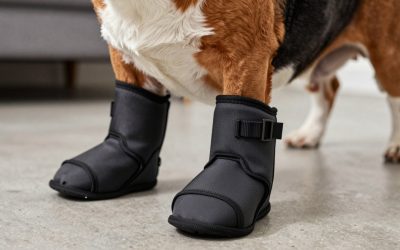
Dimicoo Dog Shoes,Breathable Boots for Hot Pavement,Non-Slip Paw Protector for Small Medium Large Dogs,Reflective Dog Booties for Outdoor & Indoor Hardwood Floors
Included for 'Best Dog Boots for Bernese Mountain Dog' because the listing specifies Breathable Boots for Hot Pavement and Non-Slip Paw Protector for Small Medium Large Dogs, details this guide uses to compare options.
View on Amazon
QUMY Dog Shoes for Hot Pavement, Dog Snow Boots & Paw Protectors for Winter
Included for 'Best Dog Boots for Bernese Mountain Dog' because the listing specifies Dog Snow Boots & Paw Protectors for Winter, details this guide uses to compare options.
View on Amazon
QUMY Dog Shoes for Hot Pavement, Dog Snow Boots & Paw Protectors for Winter
Included for 'Best Dog Boots for Bernese Mountain Dog' because the listing specifies Dog Snow Boots & Paw Protectors for Winter, details this guide uses to compare options.
View on AmazonHow to measure Berner paws
See also: Best Electric Dog Fences for Reliable, Humane Containment • Best Dog Boots for Basset Hound
Place the front foot on paper while your dog is standing, so the toes spread under body weight. Mark the widest points left to right and the tip of the longest nail to the back of the main pad. Adult Bernese paws typically measure about 3 to 3.75 inches wide. Front feet are usually larger than rear feet, so measure both and consider buying two sizes if the brand allows.
Before measuring, trim the fur between the pads and around the foot. Untrimmed fur can add a quarter inch or more and leads to boots that are too big once groomed.
What to look for in boots for a Bernese
A secure two-strap closure
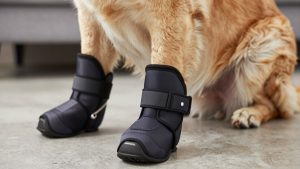
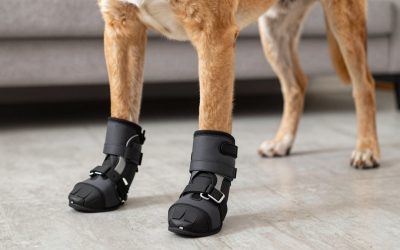
Berners have a long, driving stride. A single strap at the top of the boot tends to twist and slip off in deep snow. Two wide hook-and-loop straps, one above and one below the dewclaw area, hold far better.
A flexible, grippy sole
Stiff soles make big dogs walk like they are in ski boots. Look for a flexible rubber sole with a tread pattern that grips ice.
A wide opening
A split or gusseted opening makes it far easier to get a boot over a large, fluffy foot without a wrestling match.
Water resistance with breathability
A water-resistant upper keeps slush out, but a completely sealed boot makes paws sweat on long walks.
Boots versus alternatives
| Option | Best for | Downside for Berners |
|---|---|---|
| Rubber-soled winter boots | Salt, ice, long winter walks | Needs training and good fit |
| Disposable rubber booties | Short salty walks, city use | Tear on rough ground, less grip |
| Hiking boots with rugged sole | Trails, rock, ice crust | Heavier, pricier |
| Paw wax or balm | Light salt, ice ball prevention | Wears off, no puncture protection |
| Trimming paw fur only | Reducing ice balls | No protection from chemicals |
Many Berner owners use a combination: trim the feet, apply paw wax for everyday neighborhood walks, and keep boots for salted streets and hikes.
Training your Berner to wear boots
Start indoors with one boot for a few seconds and treats. Build up to all four over several days. Expect a comical high-stepping walk at first; it usually fades after a few outings. Never leave boots on unattended, and check for rubbing at the top of the boot after the first few walks.
Common mistakes
- Sizing to the old ungroomed foot and watching boots fly off in the snow.
- Fastening straps so tight they restrict circulation. You should be able to fit a finger under the strap.
- Forgetting to rinse feet after walks without boots. Wipe with lukewarm water to remove salt.
- Ignoring cracked pads or limping. Persistent paw problems deserve a vet visit.
FAQ
Do Bernese Mountain Dogs really need boots in winter?
Not always. Their coats handle cold well, but boots help on salted pavements, rough icy trails, and in wet snow that forms ice balls. Trimming paw fur and using paw wax covers many everyday situations.
Why do my Berner’s boots keep falling off?
Usually the boot is too big, often because it was sized to an untrimmed foot, or the closure is a single strap. Re-measure a trimmed foot while standing and choose a two-strap design.
Bottom line
The best boots for a Bernese Mountain Dog fit a trimmed paw of about 3 to 3.75 inches wide, use two secure straps, and have a flexible grippy sole. Use them for salt, ice, and rough trails, rely on trimming and paw wax for easier days, and rinse feet after every winter walk.