📅 Last updated:
Ask a Havanese owner about winter walks and you will probably hear about snowballs. The breed’s long, silky hair grows between the toes and around the feet, and wet snow packs into it until the dog is walking on icy marbles. Add road salt and the occasional scorching summer pavement, and boots start to look useful. Here is how to decide whether your Havanese needs boots, how to fit them, and what else helps.
📋 Table of Contents
When a Havanese benefits from boots
- Snow that clumps in the foot fur, making the dog limp or stop.
- Salted sidewalks, where de-icing chemicals can irritate pads.
- Hot pavement, especially on summer afternoon walks.
- Rough trails or gravel on longer outings.
On dry, clean ground in mild weather, most Havanese do not need anything on their feet.

QUMY Dog Shoes for Hot Pavement, Dog Snow Boots & Paw Protectors for Winter
Included for 'Best Dog Boots for Havanese' because the listing specifies Dog Snow Boots & Paw Protectors for Winter, details this guide uses to compare options.
View on Amazon
SlowTon Dog Shoes for Large Small Medium Dogs - Breathable Dog Boots
Included for 'Best Dog Boots for Havanese' because the listing specifies Breathable Dog Boots, details this guide uses to compare options.
View on Amazon
PawZ Rubber Dog Boots - Waterproof Non-Slip Dog Shoes for Hot Pavement, 12 Pack
Included for 'Best Dog Boots for Havanese' because the listing specifies Waterproof Non-Slip Dog Shoes for Hot Pavement and 12 Pack, details this guide uses to compare options.
View on Amazon
Andiker 4 Pcs Dog Shoes, Soft Breathable Dog Boots with Adjustable Drawstring Non-Slip Sole Easy to Clean Dog Paw Protectors for Outdoors Indoors in Spring Summer (Black, S)
Included for 'Best Dog Boots for Havanese' as a relevant option in this category; details come from the product listing.
View on AmazonStart with the feet themselves
See also: Best Electric Dog Fences for Reliable, Humane Containment • Best Dog Boots for Basset Hound
Before buying boots, trim the hair on the bottom of the feet level with the pads and tidy the hair around the edges into a neat, round shape. This alone greatly reduces snowballs and improves traction on floors. It also makes boots fit properly, since hairy feet make a boot seem to fit when it will twist off later.
Measuring Havanese paws
Stand your dog on paper and mark the widest points and the length of a front paw while it is bearing weight. Adult Havanese paws are usually about 1.5 to 2 inches wide. Front and back feet may differ, so measure both.
What to look for in boots for a Havanese
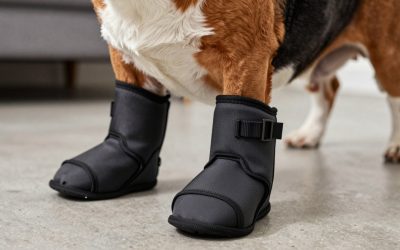
A secure, soft closure
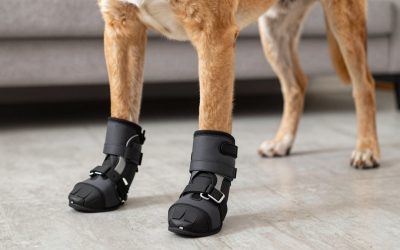
A hook-and-loop strap that sits above the paw keeps boots in place in snow. Long leg hair can get caught in straps, so smooth the hair down before fastening.
Lightweight and flexible
A small dog of 7 to 13 pounds should not have to lift heavy soles. Flexible rubber or fabric soles help the dog walk naturally.
Some height
Slightly taller boots cover the lower leg and keep snow out of the leg hair.
Grippy soles
Traction on ice and slick sidewalks matters, and Havanese can be prone to knee issues such as patellar luxation, so avoiding slips is a real benefit.
Options compared for Havanese
| Option | Best for | Downsides |
|---|---|---|
| Lightweight rubber booties | Salt, slush, wet sidewalks | Can be tricky to put on |
| Soft-soled fleece-lined boots | Cold and snow | Less durable on rough ground |
| Snowsuit with attached feet or boots | Deep snow | Warm; supervise indoors |
| Paw balm or wax | Light snow, salt | Must reapply |
| Foot trimming | Fewer snowballs | No chemical protection |
| Wiping paws after walks | Removing salt | Needs doing every time |
Training your Havanese to wear boots
Havanese are eager learners, which helps. Put one boot on indoors, reward, and take it off. Build up to all four over several short sessions with plenty of treats. Expect some high-stepping. Keep the first outdoor walks short and fun.
Common mistakes
- Skipping the foot trim and buying boots that slip over hairy feet.
- Fastening straps too tight on small legs.
- Not wiping feet after walks without boots, leaving salt on the pads.
- Ignoring limping. In a Havanese, limping may relate to knees or hips rather than paws. Legg-Calvé-Perthes disease, which affects the hip, can appear in young toy breeds, so persistent lameness deserves a vet exam.
Summer pavement and the Havanese
Havanese tolerate warm weather better than many toy breeds thanks to their Cuban origins and light coat, but their paw pads are as vulnerable as any dog’s. On a sunny 85-degree day, asphalt can reach well over 120 degrees. Try the five-second test with the back of your hand. If it is too hot for you, walk on grass, shift walks to early morning or evening, or use breathable summer boots with a thin, flexible sole. Signs of burned pads include limping, licking the feet, and blisters or darkened patches, and they deserve a prompt vet visit.
FAQ
How do I stop my Havanese getting snowballs on its feet?
Trim the hair between the pads and around the feet, apply paw balm before walks, and use boots or a snowsuit in sticky snow. Warm water melts clumps faster than pulling.
What size boots does a Havanese need?
Most adults fit XS or S boots for a paw about 1.5 to 2 inches wide. Measure a trimmed paw while your dog is standing.
Bottom line
The best boots for a Havanese are lightweight, flexible XS or S boots with a soft strap and grippy sole, fitted to trimmed feet about 1.5 to 2 inches wide. Combine them with regular foot trimming, paw balm, and a wipe after walks, and your Havanese can enjoy winter without the snowball limp.