📅 Last updated:
Buying a winter coat for a Siberian Husky may sound like buying a sweater for a polar bear, and for most healthy adult Huskies, it is unnecessary. The breed’s double coat, with a dense, woolly undercoat under longer guard hairs, is built to handle temperatures far below freezing. Still, there are real situations where a coat or vest helps: very old or sick dogs, dogs with thin or clipped coats, wet cold, and visibility on dark winter roads. This guide explains when a Husky may need a coat, which styles make sense and how to avoid overheating.
📋 Table of Contents
Do Siberian Huskies need winter coats?
A healthy adult Husky with a full coat generally does not need a jacket for normal winter walks, even in snow. The coat traps warm air, and Huskies often curl up with their tail over their nose to sleep outside in the cold. Adding a thick jacket can make a healthy Husky overheat during exercise.

Waterproof Dog Snowsuit, Winter Dog Coat with Fleece Lining, 2XL, Red
Included for 'Best Dog Winter Coat for Siberian Husky' because the listing specifies Winter Dog Coat with Fleece Lining and 2XL, details this guide uses to compare options.
View on Amazon
Kuoser Dog Winter Coat, Reversible Waterproof Dog Jacket with Reflective Strip, Warm Dogs Fleece Vest Adjustable Doggy Cold Weather Clothes Plaid Christmas Outfit Pet Apparel for Large Dogs, Black L
Included for 'Best Dog Winter Coat for Siberian Husky' because the listing specifies Reversible Waterproof Dog Jacket with Reflective Strip and Black L, details this guide uses to compare options.
View on Amazon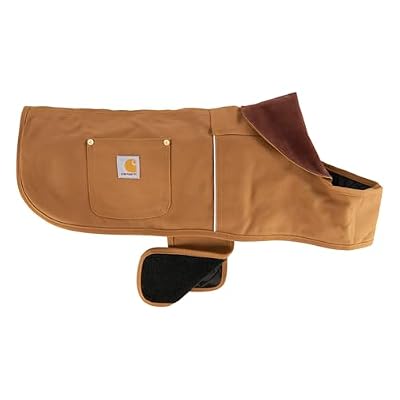
Carhartt Firm Duck Dog Chore Coat, Insulated Weather Resistant Jacket for Cold and Windy Conditions, Carhartt Brown, Medium
Included for 'Best Dog Winter Coat for Siberian Husky' because the listing specifies Carhartt Brown and Medium, details this guide uses to compare options.
View on Amazon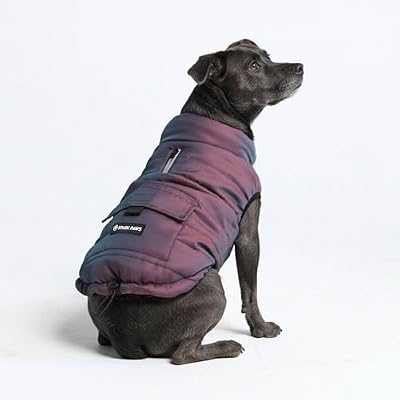
Spark Paws Dog Winter Coat Jacket - Warm Dog Clothes for Small Large Dogs
Included for 'Best Dog Winter Coat for Siberian Husky' because the listing specifies Warm Dog Clothes for Small Large Dogs, details this guide uses to compare options.
View on AmazonWhen a coat can help
- Senior Huskies with thinner coats, arthritis or less muscle.
- Sick or recovering dogs, including those after surgery.
- Clipped or shaved Huskies, whose insulation has been removed. Shaving a Husky is generally not recommended.
- Wet, cold weather, such as freezing rain, where a soaked coat loses insulation.
- Dogs with coat problems, such as hair loss from skin disease or hormonal conditions.
- Puppies, which have not yet developed a full adult coat.
Coat and vest styles for Huskies
See also: Best Electric Dog Fences for Reliable, Humane Containment • Best Dog Boots for Basset Hound
Lightweight rain shell
A thin, waterproof shell keeps the coat dry in freezing rain or wet snow without adding much warmth. It is the most useful option for many healthy Huskies in wet climates.
Insulated coat for seniors or medical needs
For dogs that genuinely feel the cold, a light insulated coat with belly coverage adds warmth. Choose breathable materials and watch closely for panting.
High-visibility vest
Winter days are short, and a dark-coated Husky can be hard to see at dusk. A reflective or bright vest adds visibility without extra heat.
Recovery suits
After surgery, a breathable recovery suit can protect wounds and replace a cone. Use one only as directed by your vet.
| Coat type | When it helps | Key features | Typical price range |
|---|---|---|---|
| Waterproof rain shell | Freezing rain, wet snow | Light, breathable, belly coverage | Check on Amazon |
| Light insulated coat | Seniors, sick or clipped dogs | Moderate warmth, adjustable fit | Check on Amazon |
| High-visibility vest | Dark mornings and evenings | Reflective strips, bright color | Check on Amazon |
| Recovery suit | After surgery | Breathable, wound protection | Check on Amazon |
How to size a coat for a Husky
- Measure back length from the base of the neck to the base of the tail, usually about 20-26 inches for adults.
- Measure chest girth snugly under the coat at its widest point, often 22-32 inches.
- Measure neck circumference, taking the thick ruff into account.
- Choose adjustable closures, since the coat’s volume changes through the seasons.
Make sure the coat does not compress the fur so tightly that it mats, especially under the armpits.
Avoiding overheating
Huskies overheat more easily than many breeds. Signs include heavy panting, a wide tongue, slowing down and seeking shade or cool surfaces. Remove any coat immediately if you see them. In most cases, a Husky needs protection from summer heat far more than from winter cold.
Caring for the natural coat
The best winter protection is a healthy, well-groomed double coat. Brush regularly, especially during shedding seasons, so the undercoat stays fluffy and insulating. Never shave a Husky for convenience; the coat may grow back unevenly and loses its protective function. If your Husky’s coat looks thin, patchy or dull, see your vet, as hypothyroidism, zinc-responsive dermatosis and other conditions can affect coat quality.
FAQ
At what temperature does a Husky need a coat?
Healthy adult Huskies with full coats rarely need one, even below freezing. Coats are mainly for seniors, sick or clipped dogs, puppies and very wet conditions.
Can a coat make my Husky too hot?
Yes. Heavy coats during exercise can cause overheating. Choose light shells or vests and watch for panting.
Bottom line
Most healthy Siberian Huskies do not need a winter coat; their double coat is designed for cold. Consider a light waterproof shell for freezing rain, an insulated coat for seniors or clipped dogs, and a reflective vest for dark days. Keep the natural coat well groomed and never shave it for winter or summer.