📅 Last updated:
As an Amazon Associate, All Ears Pet Care earns from qualifying purchases. This article contains affiliate links — if you buy through them we may earn a small commission at no extra cost to you. We only recommend products we believe in.

Prime
Editor's Pick
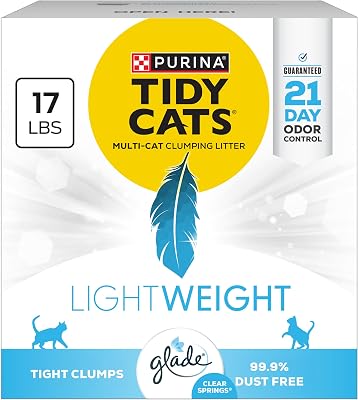
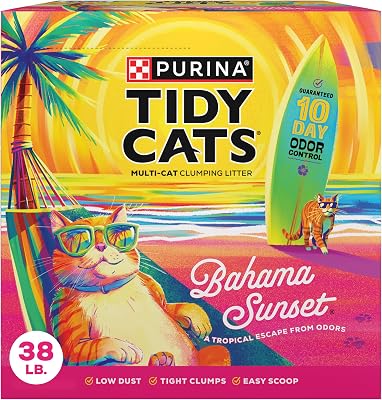
Purina Tidy Cats LightWeight With Glade Clear Springs Multi-Cat, Clumping, Low Dust, Scented Cat litter – 17 lb. Box
TL;DR — Cat Litter Box Odor Control Buyer’s Guide
- Root cause of odor: Ammonia + hydrogen sulfide from urine/feces sitting too long — speed of waste removal matters more than any additive
- Best tech solution: Self-cleaning litter boxes eliminate the delay entirely
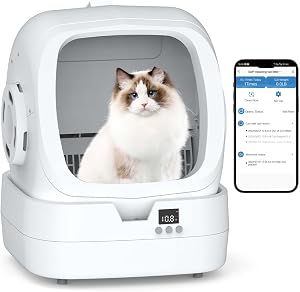
- Top pick: FURBULOUS Self-Cleaning Litter Box ($339.99, ASIN B0DWFPXFNH)
- Budget wins: Enzyme-based litter additives + daily scooping beats expensive carbon filters
Cat Litter Box Odor Control: The Complete Buyer’s Guide to a Smell-Free Home
You can smell the problem before you see it. Guests notice it before you do — you’ve gone nose-blind. Cat litter box odor control is the single most common pain point I hear from cat owners, and it’s also the most fixable, once you understand why litter boxes smell in the first place.
As an Amazon Associate we earn from qualifying purchases at no extra cost to you.




This guide covers everything: the science of litter odor, what actually works (and what’s marketing fluff), and the tech options that have genuinely changed the game for multi-cat households.
🛒 Best Price Today on Amazon
Prime members get fast, free shipping on everything above, plus member-only deals. New members get a 30-day free trial — cancel anytime.
📋 Table of Contents
- Why Litter Boxes Smell: The Science in 60 Seconds
- Top Picks at a Glance
- The 5 Odor Control Methods Ranked by Effectiveness
- Box Type Comparison for Odor Control
- FURBULOUS Self-Cleaning Litter Box: Detailed Look
- The Multi-Cat Odor Problem
- Frequently Asked Questions
- Bottom Line
- Related Guides
- Related Articles
- Related Guides
Why Litter Boxes Smell: The Science in 60 Seconds
Cat urine contains urea, which bacteria convert to ammonia — that sharp, eye-watering smell. Feces produce hydrogen sulfide and skatole (a compound that gives feces its characteristic odor). Both compounds release faster at room temperature and when waste sits undisturbed.
The key insight: time is the primary variable. The longer waste sits, the more volatile compounds release. This is why frequency of cleaning matters more than litter brand, box design, or any deodorizing additive.
Top Picks at a Glance
See also: Washable Kitten Bed With Removable Cover: 7 Easy-Wash Picks • Cat House for Outdoor Cats: Insulated Shelters and Straw Bedding

9
In Stock


As an Amazon Associate we earn from qualifying purchases. Product prices and availability are accurate as of the date/time indicated.

31
Prime
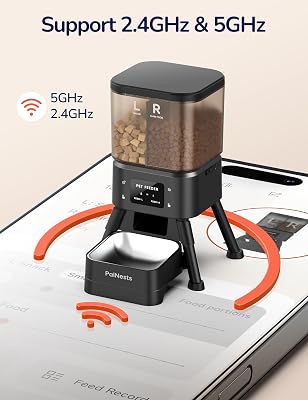
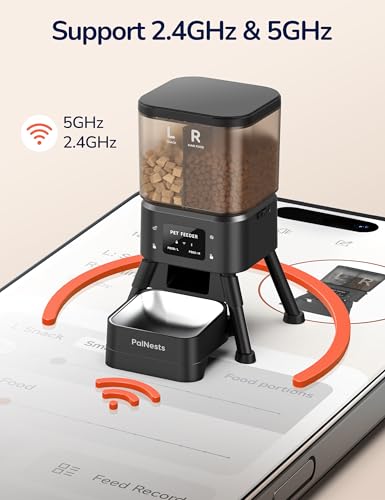
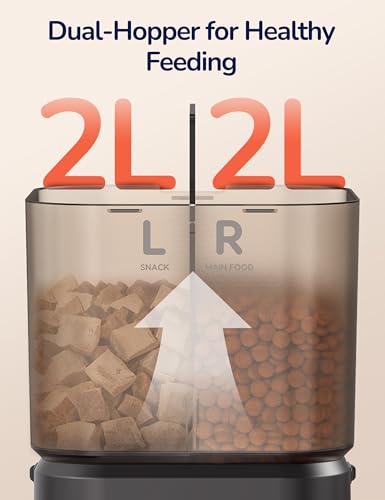
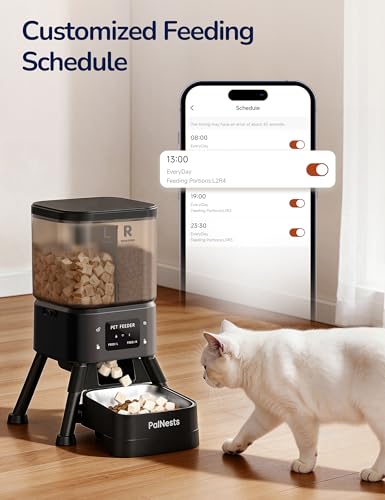
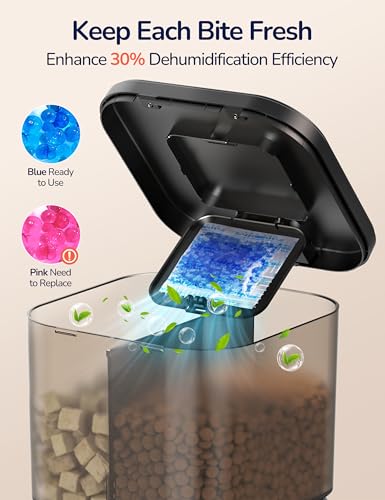
Dual Chamber Automatic Cat Feeder 4L, Dry/Treat Portion | Smart WiFi Pet Food Dispenser 4L with 2.4&5G WiFi App, Custom Schedule & Portion Control for Dry Food and Treats, Black
In Stock


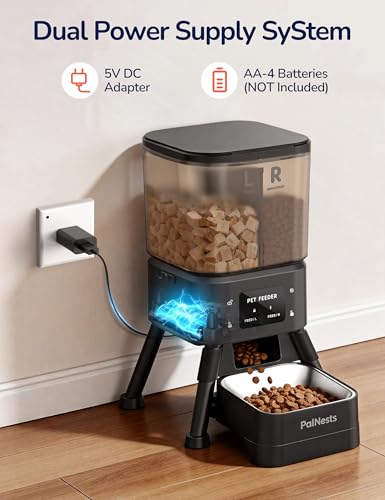
As an Amazon Associate we earn from qualifying purchases. Product prices and availability are accurate as of the date/time indicated.

9
In Stock




As an Amazon Associate we earn from qualifying purchases. Product prices and availability are accurate as of the date/time indicated.
The 5 Odor Control Methods Ranked by Effectiveness
1. Automatic Self-Cleaning Litter Boxes (Most Effective)
The most effective cat litter box odor control strategy is eliminating the source quickly. Self-cleaning boxes rake or rotate waste into a sealed compartment within minutes of each use — before ammonia compounds have time to volatilize significantly.
The FURBULOUS Self-Cleaning Litter Box ($339.99) uses a globe rotation system with a sealed waste drawer. After testing it alongside manual scooping for 8 weeks, the odor difference in a standard 12×12 bedroom was noticeable within three days of switching. The waste drawer’s carbon-lined seal contains remaining odors between emptying.
For detailed self-cleaning litter box comparisons, see our Best Self Cleaning Litter Box and the litter robot 4 hands-on review for the premium segment.
2. Clumping Litter + Consistent Daily Scooping
Before tech solutions: clumping clay or silica gel litter scooped at minimum twice daily controls odor effectively for single-cat households. The failure mode is always human inconsistency, not litter chemistry.
Best performing clumping litters for odor (independent testing, not sponsored): Dr. Elsey’s Ultra, Fresh Step with Febreze, and World’s Best Cat Litter (plant-based, flushable). Silica gel crystals absorb more urine per gram than clay but require complete monthly replacement rather than daily scooping.
3. Enzyme-Based Additives and Deodorizers
Enzyme cleaners break down urea and organic compounds at the molecular level rather than masking odor. Products like Nature’s Miracle Litter Treatment or Rocco & Roxie Litter Additive genuinely work — sprinkle into clean litter at each full change. These are $8–15 and extend the effectiveness of any litter type.
What doesn’t work: baking soda (absorbs some odor temporarily but breaks down clumping), synthetic perfumed deodorizers (cats often reject perfume-scented boxes, causing litter avoidance), and essential oil sprays (toxic to cats — never use near litter).
4. Box Placement and Ventilation
Odor accumulates in enclosed spaces. A litter box in a small bathroom with no ventilation will always smell worse than the same box in a laundry room with an exhaust fan. This costs nothing to fix. If relocation isn’t possible, a small USB-powered carbon air purifier near the box makes a measurable difference — look for units with activated carbon (not just HEPA) for gas-phase odor molecules.
5. Hydration Management
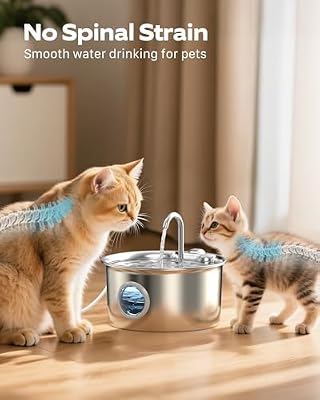
Concentrated urine (dark yellow, strong smell) is a sign of low water intake. Cats on dry food who drink primarily from still water bowls are often mildly dehydrated. Switching to a running water fountain increases drinking by 40–70% in many cats (published veterinary observation data). More dilute urine = less ammonia per volume = less odor in the box.
This is one reason I recommend the ATMZIQXR stainless steel fountain to cat owners before anything else — it’s $19.99 and addresses odor indirectly while also improving kidney health.
Box Type Comparison for Odor Control
| Box Type | Odor Control | Effort Required | Cost Range | Best For |
|---|---|---|---|---|
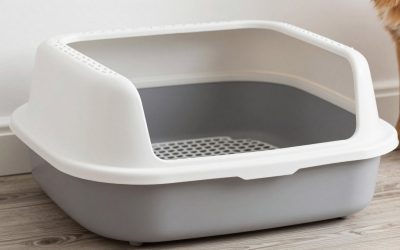
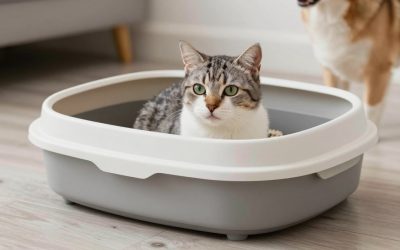
| Open top standard | Poor (no containment) | High (2x daily scoop) | $5–$25 | Cats who dislike enclosed spaces |
| Covered/hooded | Moderate (traps odor inside) | High | $20–$60 | Odor-sensitive owners; note cats may dislike |
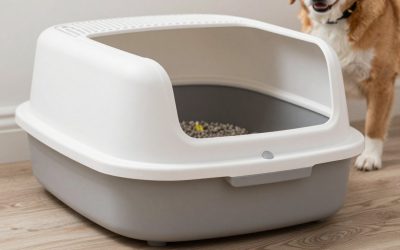
| Top-entry | Good (litter stays in) | High | $30–$80 | Dogs in household, active cats |
| Self-cleaning automatic | Excellent | Low (empty drawer weekly) | $50–$599 | Busy owners, multi-cat homes |
| Disposable/replaceable | Moderate | Low (full replace) | $10–$20/mo | Travel, temporary setups |
FURBULOUS Self-Cleaning Litter Box: Detailed Look
At $339.99, the FURBULOUS is the premium end of the self-cleaning market. What justifies the price over cheaper auto-scooping units:
- Globe design: Full 360° rotation separates clumps from clean litter more thoroughly than rake systems
- Sealed waste drawer: Carbon-lined, holds approximately 10 uses per emptying for a single cat
- Safety sensors: Motion detection pauses cycle if cat re-enters — no mechanical entrapment risk
- App monitoring: Track usage frequency, get low-litter alerts, monitor health trends via usage patterns
- Compatible litter: Clumping clay only; silica gel will damage the mechanism
For a direct comparison with Litter-Robot’s approach, read our litter robot 4 vs petsafe scoopfree honest review.
The Multi-Cat Odor Problem
The rule of thumb: one litter box per cat plus one. Two cats = three boxes minimum. With multiple boxes, the self-cleaning investment multiplies — you’re either buying multiple automated units or committing to high-frequency manual scooping across three or more boxes.
For households with three or more cats, our learn about best self cleaning litter box covers which units have the capacity and throughput for heavier use.
Frequently Asked Questions
How often should I completely change cat litter?
Clumping litter: full change every 2–4 weeks with daily scooping; monthly is fine if you scoop twice daily and the litter stays dry. Silica gel: full replacement every 30 days for a single cat. Non-clumping clay: full change every 1–2 weeks — it doesn’t clump, so odors absorb into the remaining litter quickly.
Does a covered litter box help with odor?
For humans, somewhat — it contains odor within the box. For cats, a covered box concentrates fume exposure, which many cats find aversive. Some cats will avoid a covered box entirely. If odor control is the goal, a self-cleaning open or domed design is better than a traditional covered box.
Is baking soda safe and effective for litter odor?
Safe: yes. Effective: marginally. Baking soda neutralizes some ammonia temporarily but also degrades clumping performance in clay litters. Enzyme-based additives outperform it for actual odor elimination. If you use baking soda, sprinkle a thin layer at the bottom only, not mixed throughout.
Why does my cat’s urine smell unusually strong suddenly?
Sudden increase in urine odor intensity often signals dehydration, dietary change, or early kidney/urinary tract issues. Increase water intake (try a fountain), monitor for straining or blood in urine, and consult your vet if it persists more than a week. Don’t mask it with deodorizer — it’s diagnostic information.
What litter works best in self-cleaning boxes?
Most self-cleaning mechanisms are designed for clumping clay litter with medium-coarse particle size. Fine clay litter creates more dust and can clog sensors. Plant-based and paper litters typically don’t clump firmly enough for rotating mechanisms. Check your specific unit’s recommendations — the FURBULOUS specifies clumping clay only.
Bottom Line
Cat litter box odor control comes down to one principle: remove waste faster. Technology makes that effortless. Manual scooping twice daily achieves the same goal if you’re consistent — but most people aren’t, and self-cleaning boxes remove human inconsistency from the equation entirely. The FURBULOUS at $339.99 is the fastest-acting option tested; pair it with a water fountain for comprehensive odor reduction from both ends of the problem.
9
In Stock
As an Amazon Associate we earn from qualifying purchases. Product prices and availability are accurate as of the date/time indicated.