- Top Pick: PetArmor Plus Flea and Tick Prevention for Cats, Cat Flea and Tick Treatment, 3 Doses, Waterproof Topical, Fast Acting, Cats Over 1.5 lbs
- Best Value: PetArmor Plus Flea and Tick Prevention for Cats over 1.5 lbs, Cat Flea and Tick Treatment, 6 Doses, Waterproof Topical, Fast Acting
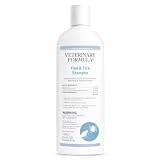
- Premium Choice: Veterinary Formula Flea and Tick Shampoo for Dogs and Cats, 16 oz
📅 Last updated:
As an Amazon Associate, All Ears Pet Care earns from qualifying purchases. This article contains affiliate links — if you buy through them we may earn a small commission at no extra cost to you. We only recommend products we believe in.

TL;DR: Flea and tick treatment for dogs and cats requires different active ingredients — what’s safe for dogs can be fatal to cats. Monthly topical spot-ons remain the most reliable format; combination flea+tick+heartworm products simplify multi-parasite protection. Never use permethrin-based dog products on cats.
As an Amazon Associate we earn from qualifying purchases at no extra cost to you.




Best Flea and Tick Treatment for Dogs and Cats 2026: Complete Protection Guide
Flea and tick season used to mean spring to fall. Climate shifts have made it year-round in most of the US. A single female flea lays 50 eggs per day — an untreated pet in your home can trigger an infestation within two weeks. Ticks transmit Lyme disease, Rocky Mountain spotted fever, and ehrlichiosis. The stakes are high enough that choosing and using the right treatment format matters as much as the product itself.
🛒 Best Price Today on Amazon
Prime members get fast, free shipping on everything above, plus member-only deals. New members get a 30-day free trial — cancel anytime.
📋 Table of Contents
- Top Picks at a Glance
- Cats vs. Dogs: Critical Safety Difference
- Treatment Format Comparison
- Oral vs. Topical for Dogs
- Environmental Treatment: the Missing Step
- Natural and Gentle Alternatives
- Flea and Tick Treatment for Kittens and Puppies
- Frequently Asked Questions
- Related Guides
- Related Articles
- Related Guides
Top Picks at a Glance
Cats vs. Dogs: Critical Safety Difference
See also: Washable Kitten Bed With Removable Cover: 7 Easy-Wash Picks • Cat House for Outdoor Cats: Insulated Shelters and Straw Bedding
Cats lack the liver enzyme (glucuronyl transferase) that metabolizes permethrin and pyrethrin — compounds in nearly every over-the-counter dog flea product. Permethrin exposure in cats causes tremors, seizures, hyperthermia, and death without emergency treatment. This is the most dangerous mistake in pet parasite control, and it happens regularly when owners apply dog products to cats or when a treated dog sleeps against a cat before the product dries.
Safe active ingredients for cats: fipronil, selamectin, imidacloprid, flumethrin, fluralaner. Always verify the species label before application. If you have both dogs and cats in one household, keep treated dogs separated from cats for at least 24 hours post-application, or use cat-safe formulations on all pets.
Treatment Format Comparison
| Format | Duration | Ticks | Fleas | Best For |
|---|---|---|---|---|
| Monthly spot-on topical | 30 days | Yes (most) | Yes | Reliable monthly protection, all pets |
| Oral chewable (dog only) | 30–90 days | Yes | Yes | Dogs that swim/bathe often |
| Collar (Seresto-type) | 8 months | Yes | Yes | Low-maintenance, outdoor cats |
| Flea shampoo | 24–48 hrs | No | Knockdown only | Active infestation start |
| Flea comb + spray | Hours | No | Manual removal | Supplement only, kittens |
Oral vs. Topical for Dogs
Oral flea/tick chewables (isoxazoline class: fluralaner, sarolaner, afoxolaner) have advantages for active dogs — no wash-off risk, no residue on human contact surfaces, more consistent systemic distribution. The tradeoff: rare but documented neurological adverse events (tremors, ataxia, seizures) reported in dogs with pre-existing seizure history. The FDA requires a warning on all isoxazoline products. For healthy dogs without neurological history, the risk is low and the convenience high.
Topicals work on skin contact — parasites don’t need to bite to be affected, which matters for tick removal speed. Some ticks must feed for hours before transmitting disease; a fast-acting topical that kills on contact before feeding starts is mechanistically superior for Lyme prevention. The combination approach — topical for fast tick kill plus oral for comprehensive flea coverage — is what many veterinarians use for high-exposure dogs.
Environmental Treatment: the Missing Step
Treating the pet without treating the environment fails 40% of infestations. Flea eggs, larvae, and pupae in carpet, bedding, and furniture account for 95% of the flea life cycle in an infested home. Treatment protocol for active infestations: treat all pets simultaneously on the same day (not staggered), wash all pet bedding at 140°F+, vacuum all carpets and upholstered furniture (dispose of vacuum bag immediately), apply IGR (insect growth regulator) spray to all soft surfaces. Repeat treatment in 14 days to catch hatching larvae.
Year-round prevention is more cost-effective than treating active infestations. The cost of an environmental flea bomb plus emergency vet visit for a flea allergy dermatitis episode typically exceeds 12 months of preventative treatment. For multi-pet households, calculate cost per head — combination heartworm+flea+tick products often cost less per pet than separate treatments for each parasite. For high-tech pet health monitoring that can catch signs of flea-related discomfort, see our Furbo pet camera review.
Natural and Gentle Alternatives
For pet owners seeking lower-chemical approaches: diatomaceous earth (food grade) applied to bedding disrupts flea exoskeletons; cedar oil repels fleas and some ticks; neem-based sprays have documented repellent effects. These are supplemental, not replacements for parasite prevention in tick-endemic areas where disease transmission risk is real. For households with young children, chemical-sensitive humans, or purely indoor cats with zero tick exposure, lower-intervention approaches may be appropriate — discuss with your vet.
Note on essential oils: many popular “natural” flea repellents contain tea tree oil, eucalyptus, or clove oil — all toxic to cats and concentrated enough to be dangerous to small dogs. “Natural” does not mean safe. Verify safety for species before any application. Our pet first aid kit guide includes emergency contacts for toxin exposure.
Flea and Tick Treatment for Kittens and Puppies
Most products have minimum age/weight requirements: 8–12 weeks and 2–4 lbs minimum. Puppies under 8 weeks and kittens under 8 weeks: flea combing with Dawn dish soap bath is the safest knockdown method, followed by environmental treatment. Never use adult-formulation spot-ons on young animals regardless of size — the concentration is calibrated for adult metabolism. Capstar (nitenpyram) oral tablet is approved down to 4 weeks/2 lbs for fast knockdown when infestation is severe.
Frequently Asked Questions
How often should I apply flea and tick treatment?
Monthly for most spot-on and oral products. 8-month collars are replaced every 8 months. Year-round application is recommended even in cold climates — fleas survive indoors at household temperatures and ticks remain active above 35°F. Skipping winter months is the most common reason for spring-summer infestations that seem to appear “out of nowhere.”
My treated pet still has fleas — is the product failing?
Most likely environmental reservoir, not product failure. Flea pupae in carpet are protected from treatment by a nearly impenetrable cocoon — they can persist for months and emerge after any vibration (vacuuming, walking). A pet returning to an untreated environment gets re-exposed continuously. Complete environmental treatment alongside pet treatment. If you’ve treated the environment and still see fleas after 6 weeks, check application technique and consider a different active ingredient class.
Can I use dog flea treatment on cats to save money?
No. This is a veterinary emergency waiting to happen. Even “small dog” formulations contain permethrin concentrations lethal to cats. Cat-specific flea products cost more because they use different active ingredients safe for feline metabolism. The price difference is trivial compared to emergency vet costs — or the loss of your cat. There are no safe workarounds.
Do indoor cats need flea treatment?
Lower risk, not zero risk. Fleas enter homes on clothing, through window screens, and via other pets. One flea introduction to a home with an untreated cat can establish an infestation within weeks. Veterinary consensus: year-round prevention for all pets regardless of indoor/outdoor status, especially in households with dogs that go outside. For truly solo indoor cats in a controlled environment, discuss risk assessment with your vet.
What’s the fastest-acting flea treatment?
For immediate knockdown: Capstar (nitenpyram) oral tablet kills adult fleas within 30 minutes, peaks at 4 hours, clears the system in 24 hours. It’s a crisis tool, not preventative — no residual protection. For fastest preventative: isoxazoline oral chewables begin killing fleas within 2–4 hours of first dose. For fastest topical: fipronil-based spot-ons begin killing within 24 hours, with peak effect at 48 hours.