- Top Pick: MateeyLife 2-Pack Slow Feeder Dog Bowls, 2 Cups, Dog Puzzle Feeder Bowl
- Best Value: Potaroma Dog Puzzle Toy 2 Levels, Slow Feeder, Pup Food Treat Feeding Dispenser for IQ Training and Entertainment for All Breeds 4.2 Inch Height
- Premium Choice: Atdoall Slow Feeder Dog Bowl, 3-Level Interactive Dog Puzzle Feeder
📅 Last updated:
As an Amazon Associate, All Ears Pet Care earns from qualifying purchases. This article contains affiliate links — if you buy through them we may earn a small commission at no extra cost to you. We only recommend products we believe in.
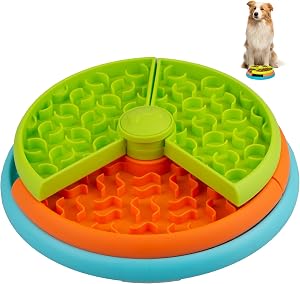
TL;DR: Slow feeder puzzle bowls reduce eating speed by 50–90%, preventing bloat and improving digestion in dogs that wolf food down. Puzzle feeders double as mental enrichment — 15 minutes of food puzzle engagement equals 30+ minutes of physical exercise for cognitive fatigue. Match difficulty level to your dog’s frustration tolerance.
As an Amazon Associate we earn from qualifying purchases at no extra cost to you.




Best Slow Feeder Dog Puzzle Bowls 2026: Stop Gulping, Start Thinking
A dog that inhales a meal in 45 seconds is a dog at risk. Gastric dilatation-volvulus (bloat) kills large and giant breed dogs within hours when it occurs — fast eating is a documented risk factor. Beyond the medical case, a dog that finishes dinner before you’ve set down the bowl is an under-stimulated dog, and under-stimulated dogs find their own entertainment (usually involving your furniture). Slow feeders and puzzle bowls solve both problems simultaneously.
🛒 Best Price Today on Amazon
Prime members get fast, free shipping on everything above, plus member-only deals. New members get a 30-day free trial — cancel anytime.
Start 30-Day Prime Free Trial →See Today’s Amazon Deals📋 Table of Contents
Top Picks at a Glance




As an Amazon Associate we earn from qualifying purchases. Product prices and availability are accurate as of the date/time indicated.
Slow Feeder vs. Puzzle Feeder: Key Distinction
See also: 7 Best Refillable Frozen Dog Treat Toys for Long-Lasting Licks • Best Dog Door Mat for Muddy Paws: Sizing, Materials and Picks by Entryway
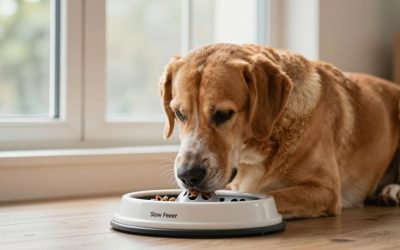
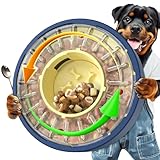
Slow feeders are ridged or maze-structured bowls that physically impede access to food, reducing eating speed without requiring problem-solving. They’re low-frustration, appropriate for any age, and work with kibble, wet food, and raw. Puzzle feeders require active problem-solving — sliding panels, spinning components, flipping covers — to access food. They provide significant cognitive enrichment beyond just slowing intake speed.
The right choice depends on your dog’s temperament. A high-drive, high-intelligence dog (Border Collie, Australian Shepherd, working-line Labs) will quickly become bored with a simple slow feeder and needs puzzle complexity. A food-motivated but lower-frustration dog may give up on a complex puzzle and miss meals. Starting at Level 1 and progressing upward is always the right protocol regardless of breed assumptions.
Difficulty Level Guide
| Level | Mechanism | Time to Solve | Best For |
|---|---|---|---|
| Beginner | Ridged bowl, maze grooves | 3–8 min (from 45 sec) | Senior dogs, puppies, first-timers |
| Level 1 Puzzle | Lift covers, simple sliding | 5–12 min | Any adult dog new to puzzles |
| Level 2 Puzzle | Multi-step: slide then lift | 10–20 min | Dogs who mastered Level 1 easily |
| Level 3 Puzzle | Rotating, multiple hidden compartments | 15–30 min | High-drive, high-intelligence breeds |
| Interactive Combo | Lick mat + hide + nose work | 20–45 min | Anxious or reactive dogs (calming) |
Bloat Prevention: the Medical Case
GDV (bloat) risk factors: large or giant breed, deep chest conformation (Great Danes, Standard Poodles, Dobermans, Weimeraners, Irish Setters), eating one large meal daily, eating from an elevated bowl without confirmed benefit, and eating rapidly. The elevated bowl claim is contested in recent literature — current veterinary consensus is that raised feeders may increase GDV risk rather than reduce it in large breeds. Floor-level feeding with a slow feeder is the current recommendation for at-risk breeds.
Slowing intake rate reduces air swallowing (aerophagia) which is the primary mechanical trigger for gas accumulation. A 5-minute meal versus a 45-second meal means dramatically less swallowed air. Splitting one daily meal into two smaller portions also reduces risk. If your large-breed dog regularly eats in under 2 minutes, a slow feeder is a genuine medical intervention, not just an enrichment toy. For tracking your large dog’s overall health metrics, our GPS and activity collar comparison covers wearables with health monitoring features.
Mental Enrichment Value
Cognitive work produces genuine fatigue in dogs. A 15-minute Level 2 puzzle session produces a mentally tired dog — more settled, less reactive, less likely to engage in destructive behavior. This is why puzzle feeders are particularly valuable for high-energy breeds in small living spaces, dogs with limited mobility (post-surgery, elderly), and dogs during extreme weather keeping them indoors. Replace two meals per week with puzzle feeder sessions and you’ll see behavior changes within a week in most dogs.
Lick mats (flat silicone mats with textured surfaces for spreading wet food, peanut butter, or yogurt) deserve specific mention for anxious dogs. The repetitive licking action activates the parasympathetic nervous system — it’s genuinely calming, not just enriching. Freeze-filled lick mats extend sessions to 20–30 minutes and work as a thunderstorm or separation distraction tool. For more enrichment tools that engage your dog’s problem-solving instincts, see our interactive treat dispenser toys guide.
Material and Cleaning Considerations
Slow feeder bowls: stainless steel is most hygienic and dishwasher-safe but heavy for small dogs; BPA-free silicone is flexible and dishwasher-safe, good for puppies; ABS plastic is lightest and cheapest but harbors bacteria in scratches over time. For puzzle feeders with moving parts: most are hand-wash only — check before buying if dishwasher convenience matters to you. Replace any puzzle feeder when components crack, develop sharp edges, or crevices become impossible to fully clean.
Dogs that paw aggressively at puzzles can flip lightweight feeders — look for rubberized non-slip bases or suction cup mounts. For very large dogs, size the feeder appropriately: a standard slow feeder bowl designed for a 20-lb dog will frustrate a 90-lb dog reaching over the edges. Measure your dog’s muzzle width against the compartment openings before purchasing narrow-groove designs.
Introducing Puzzle Feeders Without Frustration
Start with all compartments open or partially solved so the dog can access food immediately. Reward any engagement with the puzzle — nosing at it, pawing it, licking it. Close compartments progressively over 3–5 sessions. Never let a dog go more than 5 minutes without accessing any food — frustration turns to disengagement and you’ll have a dog that refuses the puzzle. The goal is a challenging game, not an unsolvable obstacle.
For dogs with automatic feeders at timed intervals, slow feeder inserts work inside most bowl-style auto-feeders to maintain the slow-eating benefit even when you’re not home to supervise.
Frequently Asked Questions
Can puppies use slow feeder bowls?
Yes from 8 weeks. Use beginner-level ridged bowls only — grooves wide enough for puppy muzzles, no complex mechanisms. Puppy enrichment should focus on positive exploration; frustration-based challenges are developmentally inappropriate before 6 months. Monitor that puppies are fully clearing each meal — slow feeders shouldn’t become meal skippers for small puppies who need consistent caloric intake for growth.
My dog figures out every puzzle in minutes — what next?
Rotate puzzles rather than relying on one. Even a familiar puzzle provides some slowing benefit. Combine feeders — put kibble in a slow bowl plus a Kong stuffed with the remainder. “Sniff it out” sessions (hiding small kibble piles around the room for nose work) are unlimited in difficulty. Nina Ottosson Level 3-4 puzzles are specifically designed for dogs that solve lower levels quickly and represent the current upper end of commercial puzzle difficulty.
Will a slow feeder work for wet food or raw diet?
Yes — lick mats are specifically designed for wet, raw, or spreadable food. Smear wet food, raw meat, unsalted peanut butter, plain Greek yogurt, or pumpkin puree into the textured surface and freeze for 30–45 minutes before serving. Frozen lick mats extend a single serving into a 20–30 minute meal. Standard ridged slow bowls work with wet food mixed with kibble; fully wet food tends to pool rather than stay in grooves — a lick mat or flat puzzle is more effective.
How do I clean a puzzle feeder with small compartments?
Bottle brushes and interdental brushes reach grooves that regular sponges can’t. Soak in warm soapy water for 10 minutes before scrubbing for food residue in corners. A diluted white vinegar rinse after washing neutralizes bacteria in plastic crevices. Dishwasher-safe components should still be hand-scrubbed for hidden corners before machine washing. Inspect after every wash — any components with cracks or permanent staining should be replaced immediately.
Is a slow feeder or puzzle feeder better for weight management?
Both slow eating and extend perceived meal satisfaction — dogs eat the same calories more slowly and with more cognitive engagement, which affects satiety signaling. A puzzle feeder doesn’t reduce calories but significantly reduces post-meal food-seeking behavior common in food-obsessed dogs. For actual caloric reduction, measure portions carefully; the feeder is a delivery mechanism, not a diet. Pair with split feedings (same daily total in 2–3 meals) for best weight management outcomes.