📅 Last updated:
As an affiliate, All Ears Pet Care earns from qualifying purchases. Product links in this guide are affiliate links, and buying through them costs you nothing extra.
Updated October 2026. Most cat flea edible treats (crunchy or creamy chews, garlic or brewer’s yeast supplements) have little veterinary evidence behind them, and some of their ingredients are unsafe for cats. The one non-prescription flea pill with real proof is Capstar (nitenpyram), which kills adult fleas fast but does not prevent new ones. Monthly oral prevention such as Credelio CAT needs a vet prescription. Never use a dog flea product on a cat.
📋 Table of Contents
- Quick answer: what to give a cat instead of flea treats
- Safety box: read this before you buy anything
- Do edible flea treats work for cats?
- Crunchy flea treats and chews for cats: what the ingredients do
- Flea pills and other products that do work
- Prescription flea pills your vet can offer
- Flea products at a glance
- Putting flea protection in cat food: is it safe?
- Can kittens have flea treatment?
- Where to buy flea products for cats
- Treat the home too
- Frequently Asked Questions
- More flea guides
- Sources we checked
Quick answer: what to give a cat instead of flea treats
- Capstar – oral tablet – nitenpyram, adult fleas only – works about 24 hours – from 4 weeks and 2 lb – no prescription.
- PetArmor CapAction – oral tablet – nitenpyram, adult fleas only – works about 24 hours – 2 to 25 lb, from 4 weeks – no prescription.
- Seresto cat collar – collar – kills and repels fleas and ticks – up to 8 months – check the box for minimum age – no prescription.
- Credelio CAT – monthly chewable – lotilaner – prevents fleas for a month – from 8 weeks and 2 lb – prescription only.
Safety box: read this before you buy anything
See also: 7 Best Refillable Frozen Dog Treat Toys for Long-Lasting Licks • Best Dog Door Mat for Muddy Paws: Sizing, Materials and Picks by Entryway
Never put a flea product labeled for dogs on a cat. The Merck Veterinary Manual states that cats are far more sensitive to pyrethroids than dogs and that permethrin is contraindicated in cats. Dog spot-ons that contain permethrin can cause muscle tremors and seizures in cats, and veterinary toxicology sources note that cats can also be exposed by grooming or sleeping against a recently treated dog.
If this happens, call your vet or an animal poison hotline right away, before signs get worse. The ASPCA Animal Poison Control Center lists 888-426-4435 and Pet Poison Helpline lists 855-764-7661 (a consultation fee may apply; confirm the numbers on their websites).
Do not give a cat garlic. The ASPCA lists garlic as toxic to cats, and the Merck Veterinary Manual says cats are the most sensitive species to garlic and onion (Allium) poisoning, which damages red blood cells and can cause anemia. Signs such as lethargy and weakness may show up days after exposure.
Do edible flea treats work for cats?
Mostly no. Chews and “natural” supplements for fleas usually rely on ingredients such as brewer’s yeast or garlic. Texas A&M AgriLife Extension says there is little scientific evidence for garlic or brewer’s yeast as flea control and that testing has shown brewer’s yeast does not protect pets from fleas. PetMD also lists garlic and brewer’s yeast among flea remedies that do not work and notes that garlic is toxic to cats and dogs if swallowed.
That is why this page no longer ranks supplement chews as picks. A chew sold as “flea and tick prevention” is not the same thing as a product registered or approved for fleas, and a cat with a real infestation can get worse while the owner waits for a treat to work. If a product’s label gives no active ingredient, no weight range and no registration or approval information, treat it as a supplement, not a flea medicine.
Dog chews are a separate problem. A flea chew made for dogs is dosed and formulated for dogs, so it does not belong in a cat’s bowl. Check that the label names cats and your cat’s weight.
Crunchy flea treats and chews for cats: what the ingredients do
If you are searching for crunchy treats to prevent fleas for cats, here is how the common ingredients stack up:
| Ingredient on the label | What vet and extension sources say | What to do |
|---|---|---|
| Garlic | Not an effective flea repellent; toxic to cats (ASPCA, Merck Veterinary Manual, PetMD) | Skip the product |
| Brewer’s yeast | Testing shows it does not protect pets from fleas (Texas A&M AgriLife) | Do not rely on it for fleas; ask your vet before giving it for any other reason |
| Essential oils (tea tree and others) | PetMD warns pure tea tree oil is highly toxic to cats and dogs and advises avoiding essential oils around pets | Avoid |
| Vitamins, krill, skin and coat blends | May be sold for coat health, but nothing in them is shown to kill fleas | Treat as a supplement, not flea control |
Flea pills and other products that do work
Real flea control for cats comes from products regulated as drugs (FDA) or pesticides (EPA), with a printed active ingredient, weight range and minimum age. The three below are available without a prescription. Check the label for your cat’s weight and age every time.
1. Capstar Flea Treatment Tablets for Cats

Capstar Oral Flea Tablets Cats 2-25 lbs, Nitenpyram, 6-Dose | Ideal for Cats 2-25 lbs; Oral Tablet, No Mess; 6 doses; Fast Flea Knockdown
Included for 'Edible Flea Treats for Cats: Do They Work? What Vets Advise' as a representative home product in this roundup; selection reflects the product set returned for this topic.
View on AmazonCapstar – oral tablet – nitenpyram, adult fleas only – works about 24 hours – from 4 weeks and 2 lb – no prescription.
Capstar (nitenpyram) is the best-known non-prescription flea tablet for cats. PetMD and the label state it begins killing adult fleas within 30 minutes and keeps working for about 24 hours. It does not kill eggs, larvae or pupae, and it does not prevent re-infestation, so it works best as a fast knockdown while you start a longer-lasting product. Sources disagree on how many hours it takes to kill over 90% of fleas on cats (4 or 6 hours), so check the figure on your box. The label allows a repeat dose as often as once a day if fleas return.
2. PetArmor CapAction Oral Flea Treatment for Cats

PetArmor CAPACTION Oral Flea Tablets Cats 2-25 lbs, Nitenpyram, 6-Dose | Ideal for Cats 2-25 lbs; Oral Tablet, No Mess; 6 doses; Fast Flea Treatment
Included for 'Edible Flea Treats for Cats: Do They Work? What Vets Advise' as a representative home product in this roundup; selection reflects the product set returned for this topic.
View on AmazonPetArmor CapAction – oral tablet – nitenpyram, adult fleas only – works about 24 hours – 2 to 25 lb, from 4 weeks – no prescription.
This is a store-brand nitenpyram tablet sold as a “compare to Capstar” product, with the same active ingredient and the same 2 to 25 lb, 4 week label range. It also kills adult fleas only and does not prevent new ones. Compare the weight range printed on the box with your cat’s current weight; kittens under 2 lb or 4 weeks should see a vet instead.
3. Seresto Flea and Tick Collar for Cats

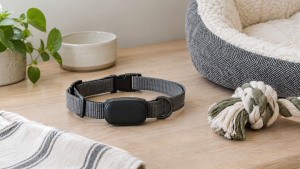
Seresto 8-Month Flea & Tick Collar for Cats & Kittens, 1ct | Vet-Recommended Treatment & Prevention, Odorless & Non-greasy, Indoor & Outdoor Cat
Included for 'Edible Flea Treats for Cats: Do They Work? What Vets Advise' as a representative home product in this roundup; selection reflects the product set returned for this topic.
View on AmazonSeresto cat collar – collar – kills and repels fleas and ticks on contact – up to 8 months – minimum age on the box (about 10 weeks per Chewy’s vet panel) – no prescription.
Seresto is not a treat, but it is the long-lasting option many owners ask about when pills are hard to give. It is EPA-registered. In 2023 the EPA finished a review of adverse-event reports, kept the collar on the market and required added label warnings (including telling owners to remove the collar if the reported side effects occur). It also split the registration into separate cat and dog collars and limited the approval to five years so it can keep watching the data. The EPA tells owners to watch their pet after putting the collar on, especially the first time, and to remove it at once if there is a reaction. Ask your vet whether a collar suits your cat, particularly if your cat has skin problems or is on other medication.
Prescription flea pills your vet can offer
These are not sold as treats and have no product cards here because they require a prescription:
- Credelio CAT (lotilaner) – monthly chewable tablet – prevents and treats fleas for one month, starts killing fleas within 6 hours – from 8 weeks and 2 lb – prescription only.
- Comfortis (spinosad) – monthly chewable – fleas – labeled for cats from 14 weeks and 4.1 lb per Chewy’s vet panel – prescription only.
- Revolution Plus and Bravecto Plus – spot-on products rather than pills, covered on our topical page – prescription only.
Credelio CAT, Bravecto and Revolution Plus belong to the isoxazoline drug class. The FDA has told owners and veterinarians that some pets given these drugs had muscle tremors, unsteady walking or seizures, and advises vets to weigh each patient’s history. Tell your vet if your cat has ever had a seizure.
Flea products at a glance
| Product | Type | Active ingredient | Kills | Lasts | Minimum age and weight | Prescription? |
|---|---|---|---|---|---|---|
| Capstar | Oral tablet | Nitenpyram | Adult fleas | About 24 hours | 4 weeks, 2 lb | No |
| PetArmor CapAction | Oral tablet | Nitenpyram | Adult fleas | About 24 hours | 4 weeks, 2 lb | No |
| Seresto cat collar | Collar | Imidacloprid and flumethrin | Fleas and ticks | Up to 8 months | Check the box | No |
| Credelio CAT | Monthly chew | Lotilaner | Fleas (ticks on older cats) | 1 month | 8 weeks, 2 lb | Yes |
| Comfortis | Monthly chew | Spinosad | Fleas | 1 month | 14 weeks, 4.1 lb | Yes |
Putting flea protection in cat food: is it safe?
Only if the product label or your vet says so. Do not crush a tablet into food or add garlic, yeast or “natural” powders on your own. A cat that eats only part of a dose gets either too little to work or an uneven amount. Capstar and CapAction are given as a whole tablet by mouth; ask your vet before hiding one in a treat or wet food.
Can kittens have flea treatment?
Only products labeled for their age and weight. Capstar and CapAction start at 4 weeks and 2 lb, Credelio CAT at 8 weeks and 2 lb. Below those limits, see a vet. For flea control at home, the Texas A&M AgriLife flea guide describes a fine-tooth flea comb and soapy-water bathing as gentle options, but check with your vet first for a very young kitten. Our guide to flea medicine for kittens has more on age limits.
Where to buy flea products for cats
Pet stores, farm-supply stores, vet clinics and online shops all carry non-prescription cat flea products, and stock varies by store. Choose by label (cat, weight range, active ingredient), not by shelf. Prescription products come from your vet or a vet-authorized pharmacy.
Treat the home too
Pills and collars deal with fleas on the cat, but eggs and larvae live in carpet and bedding. Treat every pet in the household, wash bedding on a hot cycle and vacuum often. Texas A&M AgriLife Extension reports that vacuuming removes up to 30 percent of larvae and up to 60 percent of flea eggs from a carpet, and advises emptying the vacuum bag at least weekly because fleas can keep developing inside it. Indoor cats still need prevention, because fleas ride in on people, dogs and other pets.
Frequently Asked Questions
Do flea treats for cats work?
Most do not. Capstar works but only on adult fleas for about a day. Garlic and brewer’s yeast chews have little evidence behind them, and garlic is toxic to cats.
Can I put flea medicine in my cat’s food?
Only if the vet or the label says so. Do not add garlic or yeast. Ask your vet before hiding a tablet in food.
Is garlic safe for fleas on cats?
No. Garlic is toxic to cats and does not control fleas. The ASPCA and the Merck Veterinary Manual both warn against it.
Can kittens have flea tablets?
Capstar and CapAction are labeled from 4 weeks and 2 lb. Below that, see your vet before using any flea product.
Can I use dog flea treatment on cats?
No. Permethrin in many dog products can cause tremors and seizures in cats. Call your vet or a poison hotline at once if it happens.
Are there prescription flea pills for cats?
Yes. Credelio CAT and Comfortis are prescription monthly chews. Ask your vet which suits your cat’s age, weight and health history.
How do I know my cat needs flea treatment?
Scratching, flea dirt (black specks) in the coat and small dark insects near the neck and tail base are common signs. A vet can confirm and rule out other causes of itching.
More flea guides
- Do edible flea treats work for cats? What actually kills fleas
- Best flea treatment for cats: overview of vet-recommended options
- Best oral flea treatment for cats
- Best cat flea treatment tablets
- Best topical cat flea treatment, picks by weight
- Flea medicine for kittens: age and weight limits
- Flea ointment and bite relief for cats
- Natural flea collars for cats
Sources we checked
- Merck Veterinary Manual: ectoparasiticides used in small animals; garlic and onion (Allium) toxicosis in animals
- ASPCA: toxic plant listing for garlic; people foods to avoid feeding pets
- PetMD: Capstar for cats; flea and tick treatments that don’t work
- Texas A&M AgriLife Extension: flea control, natural remedies and home care
- US EPA: Seresto pet collar review and 2023 mitigation requirements
- US FDA: Animal Drug Safety Communication on isoxazoline flea and tick products; PetArmor nitenpyram label
- Product labels and manufacturer pages for Capstar, Credelio CAT and Seresto; Chewy Vet Advisory Panel flea treatment guide for age and weight limits
This guide is compiled from product labels, regulator pages and published veterinary guidance. We do not test products, and this is not veterinary advice. Ask your vet before starting any flea product, and re-check the label on the package you buy.