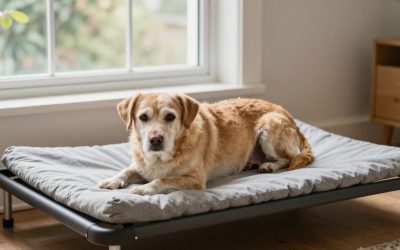
- Top Pick: EHEYCIGA Orthopedic Extra Large Dog Bed, Waterproof Washable XL Pet Bed 44"
- Best Value: EHEYCIGA Orthopedic Dog Beds Large Sized Dog, Waterproof Memory Foam Pet Bed with Sides, Non-Slip Bottom Large Pet Bed with Washable Removable Cover, Grey
- Premium Choice: EHEYCIGA Orthopedic Dog Bed Large with Removable Washable Cover, 41IN Grey
📅 Last updated:
As an Amazon Associate, All Ears Pet Care earns from qualifying purchases. This article contains affiliate links — if you buy through them we may earn a small commission at no extra cost to you. We only recommend products we believe in.

TL;DR: An orthopedic dog bed with memory foam supports aging joints, relieves pressure points, and improves sleep quality for dogs of all sizes. This guide covers what makes orthopedic foam genuinely supportive, what to look for in covers, and which beds deliver real value.
As an Amazon Associate we earn from qualifying purchases at no extra cost to you.


Best Orthopedic Dog Bed Memory Foam: Full Guide for Joint Relief in 2026
Dogs spend up to 16 hours a day sleeping or resting. For senior dogs, large breeds, and dogs recovering from surgery, the surface they sleep on directly affects their joint health and comfort. An orthopedic dog bed with memory foam distributes weight evenly, prevents pressure point pain, and provides the firm-yet-contouring support that veterinarians recommend for musculoskeletal conditions.
Not all “orthopedic” beds are created equal, though. Marketing labels are unregulated, meaning any bed can call itself orthopedic. This guide cuts through the noise and shows you what actually matters.
🛒 Best Price Today on Amazon
Prime members get fast, free shipping on everything above, plus member-only deals. New members get a 30-day free trial — cancel anytime.
📋 Table of Contents
Why Memory Foam Makes a Difference
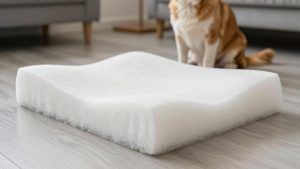
Standard polyester fill compresses over time and loses support, eventually offering little more than a thin mat. True memory foam — specifically 4–6 inch high-density (2.0+ lb/cu ft) foam — responds to body heat and weight to cradle joints. This is the same material used in human therapeutic mattresses, and the same principles apply to dogs.
Dogs with hip dysplasia, arthritis, elbow dysplasia, or degenerative joint disease benefit most. Younger, larger breeds also benefit preventively — repeated pressure on hard floors contributes to callus formation and early joint wear.
Our Top Orthopedic Memory Foam Dog Bed Picks
See also: 7 Best Refillable Frozen Dog Treat Toys for Long-Lasting Licks • Best Dog Door Mat for Muddy Paws: Sizing, Materials and Picks by Entryway

31
Prime
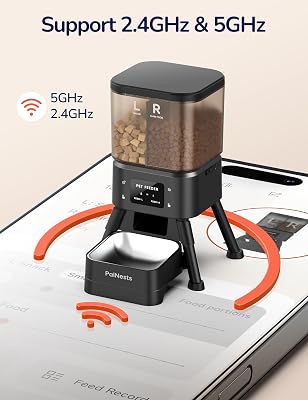
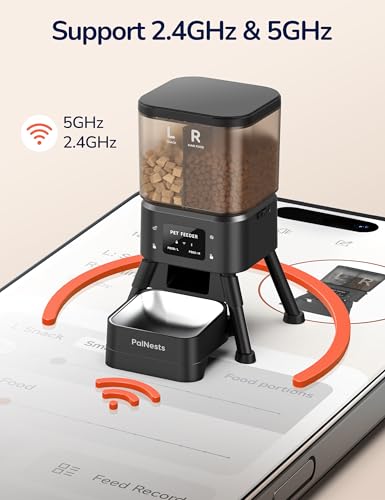
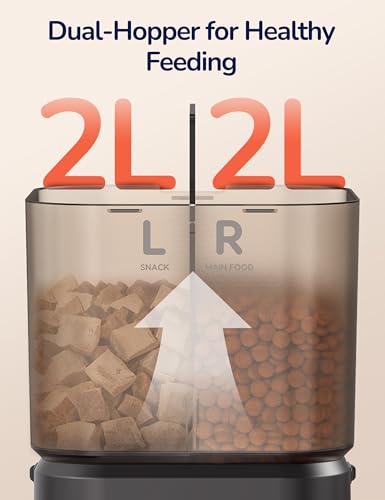
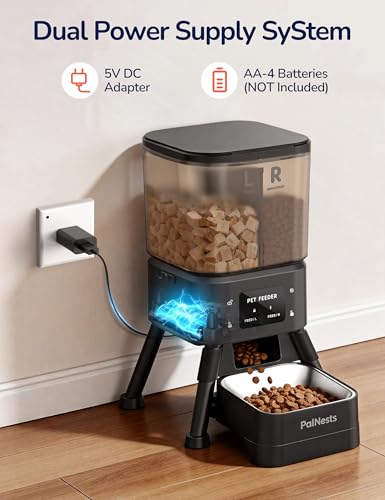
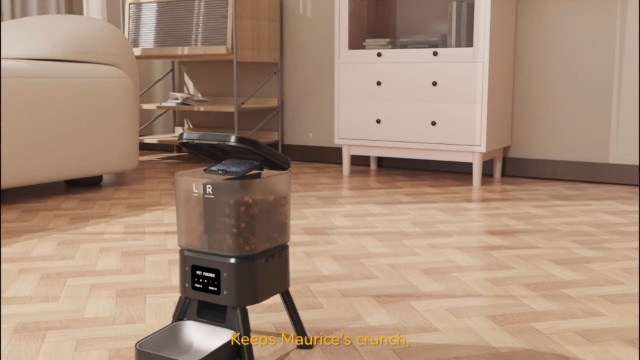
Dual Chamber Automatic Cat Feeder 4L, Dry/Treat Portion | Smart WiFi Pet Food Dispenser 4L with 2.4&5G WiFi App, Custom Schedule & Portion Control for Dry Food and Treats, Black
In Stock




As an Amazon Associate we earn from qualifying purchases. Product prices and availability are accurate as of the date/time indicated.

9
In Stock


As an Amazon Associate we earn from qualifying purchases. Product prices and availability are accurate as of the date/time indicated.

9
In Stock






As an Amazon Associate we earn from qualifying purchases. Product prices and availability are accurate as of the date/time indicated.
Orthopedic Dog Bed Comparison Specs
| Feature | Entry Level | Mid-Range | Premium |
|---|---|---|---|
| Foam Thickness | 2–3 inches | 4–5 inches | 6–7 inches |
| Foam Density | 1.5 lb/cu ft | 2.0 lb/cu ft | 2.5–3.0 lb/cu ft |
| Cover Material | Polyester | Oxford/canvas | Waterproof + washable |
| Non-slip Base | Sometimes | Yes | Yes |
| CertiPUR-US Certified | Rarely | Often | Yes |
| Size Range | S–L | S–XL | S–XXL |
| Bolster/Raised Edge | No | Optional | Yes |
What Makes a Genuinely Good Orthopedic Dog Bed
Foam Quality and Certification
CertiPUR-US certification means the foam is tested for harmful chemicals including formaldehyde, heavy metals, and flame retardants. For dogs that spend hours on the surface, this certification matters. Density of 2.0 lb/cu ft or higher ensures the foam doesn’t bottom out under heavier dogs — low-density foam quickly flattens to uselessness.
Cover Durability and Washability
Dog beds collect dander, saliva, dirt, and odors rapidly. A removable, machine-washable cover is non-negotiable for hygiene. Look for 600D Oxford fabric or canvas for chew-resistant durability. Waterproof inner liners protect the foam from accidents — particularly important for senior dogs with incontinence issues.
Size and Weight Capacity
The bed should allow your dog to fully stretch in their largest sleeping position (typically side-lying). Measure your dog nose-to-tail while sleeping and add 8–10 inches. For weight capacity, verify the foam density spec — a 90 lb dog on 1.5 lb/cu ft foam will bottom out within weeks.
Bolster Design
Bolsters (raised edges) serve as a chin or head rest, which many dogs prefer. They also help dogs feel enclosed and secure, reducing anxiety. For dogs with neck arthritis, however, a flat orthopedic mattress style without a bolster allows freer head positioning.
Non-Slip Base
On hardwood or tile floors, a bed that slides away when a dog tries to step on it can cause falls — especially dangerous for older dogs with mobility issues. Rubber or grip-fabric non-slip bases are essential on smooth flooring surfaces.
Frequently Asked Questions
At what age should I switch my dog to an orthopedic bed?
Large breeds benefit from orthopedic support from as early as 1–2 years old to prevent pressure calluses. For smaller breeds, consider switching when signs of stiffness appear — typically around 7–8 years. Dogs diagnosed with hip dysplasia, arthritis, or any joint condition should be on orthopedic foam immediately regardless of age.
How thick does the memory foam need to be for large dogs?
For dogs over 50 lbs, a minimum of 4 inches of high-density foam is recommended. Dogs over 100 lbs need 5–6 inches to prevent the foam from compressing entirely under body weight. Some premium beds use a dual-layer design — a firmer base foam topped with a comfort memory foam layer — which outperforms single-layer designs of the same thickness.
Can memory foam dog beds cause overheating?
Traditional memory foam can retain heat, which is a concern for breeds prone to overheating (Bulldogs, Pugs, thick-coated dogs). Gel-infused or open-cell memory foam addresses this by improving airflow and heat dissipation. If your dog sleeps hot, look specifically for gel memory foam or beds with cooling fabric covers.
How do I know if the orthopedic bed is actually helping my dog?
Watch for these positive signs within 1–2 weeks: easier time getting up from the bed, fewer groaning sounds when lying down, more time spent on the bed rather than the floor, and reduced stiffness after napping. If your dog consistently avoids the bed, the size may be wrong or they may prefer a firmer or softer surface — some dogs prefer the firmness of cooling mats over soft foam.
How long do orthopedic dog bed foams typically last?
High-density (2.0+ lb/cu ft) memory foam lasts 3–5 years with normal use. Low-density foam may need replacing within 12–18 months. Signs of foam failure include visible compression channels, a lack of recovery after pressing down, and your dog increasingly sleeping on the floor or edges of the bed. Rotating the bed 180 degrees every few months extends foam life.
Related Guides
- Dog Stairs and Ramps for Beds and Couches
- Dog Crate Furniture Combos: Style Meets Function
- Best Dog Cooling Vests for Summer
- Pet First Aid Kit Essentials
- Large Cat Tree Multi-Level Buying Guide
Final Verdict
An orthopedic dog bed with memory foam is one of the highest-impact purchases you can make for a senior or large-breed dog’s quality of life. Focus on CertiPUR-US certified, 2.0+ lb/cu ft density foam in the right size with a waterproof, washable cover. The beds featured here meet those criteria — your dog’s joints deserve nothing less.