📅 Last updated:
The best eco friendly cat litter for most homes is a clumping plant-based formula made from corn, wheat, walnut shell or tofu, because it combines renewable raw materials with the easy scooping people expect from clay; if you want the lowest-impact option and can live without clumps, pine or recycled paper pellets are even simpler. The right pick depends on whether you prioritize clumping, dust, price per month or how the used litter can be disposed of.
📋 Table of Contents
Why “Eco Friendly” Is Mostly About Raw Material and Weight
Conventional clumping litter is made from sodium bentonite clay, which is strip-mined and does not break down. Plant-based litters swap that for agricultural by-products or renewable fibers. They also tend to be lighter, which lowers shipping weight and means less mass going to landfill each month. That said, “natural” on a bag is not a regulated term, so it helps to look at what the litter is actually made of.
Eco Litter Materials Side by Side
See also: Washable Kitten Bed With Removable Cover: 7 Easy-Wash Picks • Cat House for Outdoor Cats: Insulated Shelters and Straw Bedding
| Material | Example brands | Clumps? | Dust level | Approx. use per month (1 cat) | Price range per month |
|---|---|---|---|---|---|
| Whole-kernel corn | World’s Best Cat Litter | Yes, firm | Low-moderate | About 8-12 lb | Check on Amazon |
| Wheat | sWheat Scoop | Yes, softer | Low-moderate | About 10-14 lb | Check on Amazon |
| Walnut shell | Naturally Fresh | Yes | Moderate | About 10-14 lb | Check on Amazon |
| Tofu (soybean fiber) | Various tofu pellet brands | Yes, fast | Very low | About 6-10 lb | Check on Amazon |
| Grass seed | SmartCat | Yes | Low | About 8-12 lb | Check on Amazon |
| Pine pellets | Feline Pine Original | No (pellets turn to sawdust) | Very low | About 10-15 lb | Check on Amazon |
| Recycled paper pellets | Yesterday’s News | No | Very low | About 12-18 lb | Check on Amazon |
| Bentonite clay (for reference) | Most conventional brands | Yes, hard | Moderate-high | About 20-30 lb | Check on Amazon |
Monthly figures assume daily scooping and a full change every two to four weeks. Plant litters weigh roughly half as much as clay for the same coverage, which is why the pounds look lower.
Picks by Situation
You want clay-like scooping with a smaller footprint
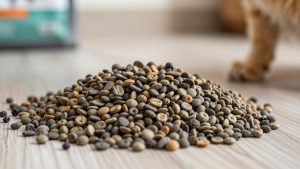
Corn-based clumping litter is the most common switch for clay users. Clumps hold together well enough for daily scooping, and multi-cat formulas add extra binding. Expect slightly more tracking than clay because granules are lighter.
You care most about low dust
Tofu pellets and pine pellets produce very little airborne dust, which matters in small apartments and for owners who clean the box with sensitive airways. Tofu clumps; pine does not.
You want the lowest cost per month
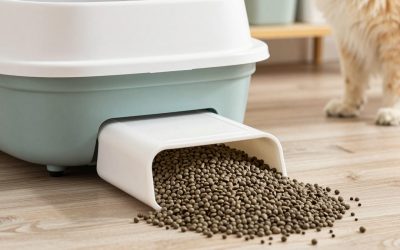
Pine pellets are usually the cheapest eco option. They use a sifting box or a simple scoop-and-replace routine: urine turns pellets to sawdust, which you remove while the dry pellets stay.
You need something for a cat with sensitive paws or post-surgery care
Soft recycled paper pellets are often suggested by vets after procedures because they are low dust and do not stick to incisions. Ask your veterinarian what they prefer for your cat’s situation.
What About “Clean Litter Sand”?
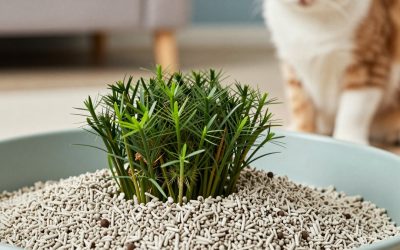
People searching for the best clean litter sand usually want a fine, sand-like texture that cats accept easily, without the dust cloud of cheap clay. In eco materials, the closest matches are fine-grain corn, grass seed and walnut litters, which feel soft and granular rather than pellet-like. Cats that were raised on clay or sand often accept these more readily than large pellets. If your cat refuses pellets, try a fine-grain plant litter before going back to clay.
A Practical Switching Plan
- Week 1: mix about 25 percent new litter into the existing litter.
- Week 2: go to roughly half and half.
- Week 3: move to 75 percent new litter.
- Week 4: fully switch, as long as your cat is using the box normally.
If your cat starts going outside the box at any stage, step back one ratio and hold there longer. Litter changes are one of the most common triggers for box avoidance.
Ownership Realities
- Storage: plant litters can attract pantry pests or absorb moisture. Keep bags sealed, off the floor and away from humid laundry areas.
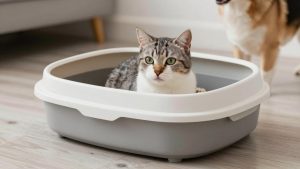
- Depth: most clumping plant litters work best at 2-3 inches deep. Too shallow and urine reaches the pan, creating stuck clumps.
- Clump strength: wheat and some corn formulas break apart if you scoop aggressively. Lift slowly with a slotted scoop.
- Odor curve: plant litters usually control odor well for the first week or two, then need a full refresh sooner than premium clay. Budget for full changes every two to three weeks.
- Tracking: lightweight granules travel. A textured mat outside the box catches most of it.
Disposal: The Part Labels Gloss Over
Several plant-based litters are marketed as flushable or compostable. In practice, many water agencies and veterinarians recommend against flushing cat waste because it can carry Toxoplasma, which treatment plants do not reliably remove. Home composting of used cat litter is only appropriate for ornamental beds, never for food crops, and requires a hot, well-managed pile. For most owners, bagging used litter for the trash is the safest choice, even with eco materials. Some municipal green-bin programs accept unused litter but not pet waste, so check your local rules.
Cost Comparison Over a Year
The gap is smaller than many expect because plant litters are lighter and last longer per pound, so the eco premium is often modest.
FAQ
Is eco friendly litter safe for kittens?
Many vets recommend non-clumping litter for very young kittens that may taste their litter. Paper or pine pellets are common choices until kittens are older; ask your vet when to switch.
Does plant-based litter smell like food?
Corn and wheat have a faint grain smell when fresh. Most cats ignore it, but a few curious cats may paw or nibble at first.
Which eco litter works best in multi-cat homes?
Firm-clumping corn or walnut formulas made for multiple cats hold up better than softer wheat clumps under heavy use.
The Bottom Line
For an easy switch that still scoops like clay, a corn-based clumping litter such as World’s Best Cat Litter is the most versatile eco choice. For the lowest dust and cost, Feline Pine Original or similar pine pellets are hard to beat if you are willing to use a sifting routine. Whichever you choose, transition slowly and keep the depth right.