📅 Last updated:
The best air freshener for cat litter is not a perfume at all but an odor absorber placed near the box, such as an activated charcoal bag or a sealed HEPA-and-carbon air purifier, paired with plain baking soda mixed into the litter; scented plug-ins and sprays mostly mask smell and can make some cats avoid the box. If you want one quick upgrade, add an activated charcoal bag beside the box and scoop every day.
📋 Table of Contents
Why Litter Box Odor Is Hard to Mask
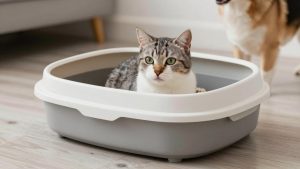
The sharp smell from a litter box is mainly ammonia, released as bacteria break down urea in urine. Fragrance does not remove ammonia; it just competes with it, and the two together can smell worse than either alone. Cats also have a far stronger sense of smell than people, so a fragrance that seems light to you can be intense right at the box. That is why the most effective approaches absorb, neutralize or filter odor rather than cover it.
Litter Odor Control Options Compared
See also: Washable Kitten Bed With Removable Cover: 7 Easy-Wash Picks • Cat House for Outdoor Cats: Insulated Shelters and Straw Bedding
| Option | How it works | Coverage | Lasts | Cat-friendliness | Cost range |
|---|---|---|---|---|---|
| Activated charcoal bags (e.g., Moso Natural) | Adsorbs odor molecules | About 50-90 sq ft per 200-500 g bag | Up to about 2 years with monthly sun recharging | High, no scent | Varies |
| Baking soda in litter (e.g., Arm & Hammer) | Neutralizes acidic odors in the bed | The box itself | Until next full litter change | High if unscented | Varies |
| Litter deodorizer powder or beads | Baking soda or silica blends mixed into litter | The box itself | 1-2 weeks per dose | Good if unscented, mixed in well | Varies |
| Enzyme spray (e.g., Nature’s Miracle) | Enzymes break down urine residue | Surfaces, box walls, floor | Per cleaning | Good once dry | Varies |
| Air purifier with HEPA + activated carbon | Filters particles and odors from room air | Usually 150-500 sq ft depending on model | Filter swap every 6-12 months | High; watch fan noise near box | Varies |
| Scented plug-ins and aerosol sprays | Fragrance masking | Room-wide | 30-60 days per refill | Low; can deter box use | Varies |
Coverage numbers are general ranges based on typical product sizes. A small bathroom or laundry nook needs far less capacity than an open-plan living area.
Which Approach Fits Your Home
| Situation | Best combination |
|---|---|
| One cat, small bathroom or closet | Baking soda in the litter + one charcoal bag nearby |
| Studio or small apartment | Charcoal bag + compact HEPA/carbon purifier rated for the room size |
| Multi-cat home | Daily scooping, unscented deodorizer in each box, purifier in the main box area |
| Cat with a sensitive nose or history of avoiding the box | Fragrance-free only: baking soda, charcoal, enzyme cleaning |
| Smell lingers even after cleaning | Enzyme spray on the floor, walls and box; replace a scratched plastic box |
Why Scented Fresheners Are Risky Near the Box
Strong scents placed right next to the litter box are one of the overlooked reasons cats start going elsewhere. A cat that finds the box area unpleasant may choose a rug or bathtub instead. There is also a safety angle: many veterinary sources advise caution with essential oil diffusers and concentrated oils around cats, since some oils, such as tea tree, can be harmful to them. If you want a pleasant scent in the room, keep it well away from the box and away from where your cat sleeps and eats, and ask your vet before using any essential-oil product.
Step-by-Step: A Low-Odor Routine
- Scoop daily, twice for multiple cats. Fresh waste smells far less than waste left overnight. This one habit does more than any freshener.
- Add a thin layer of baking soda. Sprinkle about 1-2 tablespoons on the bottom of the clean box before adding litter, or mix a little into the top layer.
- Keep the right depth. Around 2-3 inches of clumping litter stops urine pooling on the pan, where it soaks into scratches.
- Do full changes on schedule. Clumping clay every two to four weeks; non-clumping litters weekly or sooner.
- Clean with enzymes. Wash the box with mild soap, then use an enzyme cleaner on the floor and surrounding walls where spray or splashes land.
- Absorb, don’t perfume. Place a charcoal bag on a shelf or the floor near the box, out of reach of chewing.
- Ventilate. A cracked window or bathroom fan helps more than most products.
Ownership Realities
- Charcoal bags need recharging. Most makers suggest placing them in sunlight for an hour or two each month. Skip this and they slowly lose effectiveness.
- Purifier filters clog. Litter dust shortens filter life. In a litter area, check the pre-filter every few weeks and expect to replace main filters toward the shorter end of the stated range.
- Plastic boxes absorb odor. After a year or two, scratches in the pan trap urine residue. If the box smells right after washing, replace it.
- Deodorizer overdose. More powder is not better. Heavy layers create dust and can change litter texture enough to bother some cats.
- Persistent strong ammonia. A sudden increase in urine smell or volume can sometimes reflect a health change. If it does not improve with better cleaning, mention it to your veterinarian.
Cost Over One Year
FAQ
Can I put an air freshener inside a covered litter box?
It is best not to. Scents trapped inside a hooded box are concentrated right at your cat’s nose. Use unscented litter additives inside and keep any fresheners outside.
Is baking soda safe for cats?
Small amounts mixed into litter are widely used. Avoid heavy piles a cat could eat, and keep the box clean rather than relying on large doses.
Do litter box enclosures help with smell?
Furniture-style enclosures hide the box but can trap odor. If you use one, add ventilation and keep up with daily scooping.
The Bottom Line
For most homes, the best air freshener for cat litter is a fragrance-free combination: daily scooping, baking soda in the box, an activated charcoal bag nearby and an enzyme cleaner for surrounding surfaces. Add a HEPA-and-carbon purifier if the box lives in a shared living space. Save scented products for rooms far from the litter area.