📅 Last updated:
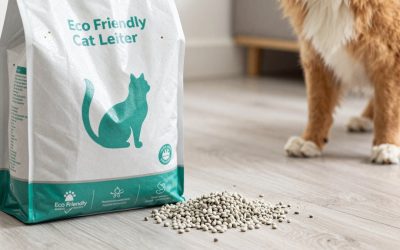
The best non clumping litter for kittens is usually an unscented recycled paper pellet, such as Yesterday’s News, because it is low in dust, soft on small paws and does not form a cement-like mass if a curious kitten swallows a few pieces; unscented pine pellets are a close, cheaper second. Many vets recommend avoiding clumping clay for very young kittens, typically until they are around three to four months old and have stopped tasting everything in the box.
📋 Table of Contents
Why Kittens Start on Non-Clumping Litter
Young kittens explore with their mouths. Clumping litter is designed to swell and bind when wet, which is exactly what makes it convenient for adult cats and exactly why many vets suggest caution with kittens that might lick or eat it. Non-clumping litters absorb liquid without forming a hard ball, and larger pellets are harder for tiny kittens to swallow. This is general guidance, not a medical rule; your veterinarian can tell you what fits your kitten’s age and health.
Other reasons non-clumping litter suits the kitten stage:
- Lower dust is gentler for small airways and newly adopted kittens adjusting to a new home.
- Unscented pellets avoid strong fragrances that can put kittens off using the box.
- Pellets stick less to fur, paws and the damp bottoms of very young kittens.
Non-Clumping Kitten Litters Compared
See also: Washable Kitten Bed With Removable Cover: 7 Easy-Wash Picks • Cat House for Outdoor Cats: Insulated Shelters and Straw Bedding
| Litter type | Example | Pellet size | Dust | Scent | Full change frequency (1 kitten) | Price per month |
|---|---|---|---|---|---|---|
| Recycled paper pellets | Yesterday’s News Unscented | About 6-8 mm | Very low | None | Every 5-7 days | Check on Amazon |
| Soft paper crumble | Unscented recycled paper granules | Small, irregular | Very low | None | Every 4-6 days | Check on Amazon |
| Pine pellets | Feline Pine Original | About 6-8 mm | Very low | Natural pine | Sift daily; top up weekly | Check on Amazon |
| Non-clumping clay | Basic unscented clay | 1-3 mm granules | Moderate | Varies | Every 5-7 days | Check on Amazon |
| Silica crystal | Crystal litters | 2-5 mm | Low | Varies | Every 2-3 weeks | Check on Amazon |
Silica and non-clumping clay are listed for comparison. Small crystals and fine clay granules are the litters many owners and vets prefer to skip until a kitten stops mouthing things, so paper and pine are the usual starting points.
How to Choose: A Quick Decision Guide
| Your situation | Suggested litter | Reason |
|---|---|---|
| Kitten under 8 weeks, or fostering a litter | Soft paper crumble or paper pellets | Gentle texture, easy to replace completely, minimal dust |
| Kitten 8-16 weeks, single household | Unscented paper pellets | Good balance of absorbency, low tracking and cost |
| Tight budget | Pine pellets in a sifting box | Cheapest per month; sawdust sifts away, dry pellets stay |
| Kitten recovering from a vet procedure | Paper pellets, or whatever your vet suggests | Low dust and does not stick to incisions |
| Planning to move to clumping litter later | Paper now, then gradual mix | Easier transition than pine for cats used to granular textures |
Setting Up the Box for a Kitten
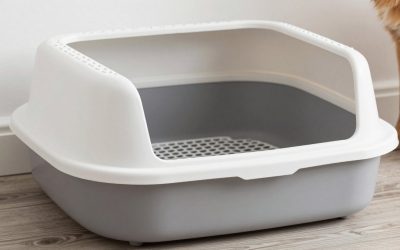
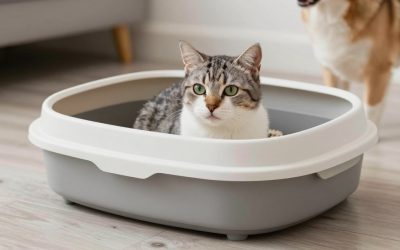
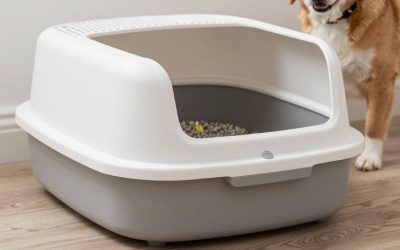
- Pick a low entry. Kittens under about 10 weeks manage an entry height of roughly 3-4 inches. A shallow storage tray or a box with a cut-down front works well.
- Fill shallow. Around 1.5-2 inches of pellets is enough. Deeper beds waste litter and are harder for tiny legs.
- Keep it close. Place the box near where the kitten sleeps and plays, not across the house. Kittens have little warning before they need to go.
- Add boxes if needed. In larger homes, a second box on another floor prevents accidents during the learning phase.
- Remove solids daily. With non-clumping litter, scoop feces at least once a day and stir pellets so dry ones rise to the top.
The Cost Math
A single kitten generally needs about 2-3 full changes of paper pellets per month at 2 inches deep in a standard small box. Pine pellets go further because you only remove the sawdust layer, often making one bag last close to a month. Fostering a litter of four or five kittens can multiply paper use by three or four times, so foster homes often lean on pine or buy paper in larger bags.
Ownership Realities
- Odor builds faster than clumping litter. Because urine is absorbed rather than removed, the whole bed needs replacing on schedule. Waiting too long is the most common mistake.
- Paper swells. Wet paper pellets expand and get mushy. That is normal and a sign they have done their job.
- Pine has a smell. Most cats accept the natural wood scent, but a few kittens dislike it. Paper is the neutral option.
- Wash the box weekly. Use warm water and mild unscented soap, then dry fully. Skip strong disinfectants like bleach unless thoroughly rinsed, since residual smells can discourage use.
- Watch for eating. If your kitten is regularly eating litter, mention it to your vet rather than just switching products.
When and How to Move to Clumping Litter
Once your kitten is a few months old and no longer tasting litter, you can transition if you prefer clumping. Mix about a quarter of the new litter into the old for a week, then move to half and three-quarters over the following weeks. Plant-based clumping litters made from corn, wheat or tofu are a popular next step for owners who want to stay away from clay.
FAQ
Is scented non-clumping litter okay for kittens?
Unscented is the safer default. Kittens have sensitive noses, and strong fragrance can make the box less appealing.
Can I use shredded newspaper instead?
It works in a pinch, especially for fostering very young kittens, but it absorbs poorly and needs changing several times a day.
How often should a kitten use the litter box?
Frequent use is normal for kittens. If you notice straining, very frequent small trips or no urine for many hours, contact your veterinarian.
The Bottom Line
For most new kitten owners, unscented recycled paper pellets are the easiest and gentlest place to start, with pine pellets as a budget-friendly alternative. Keep the box low, shallow and close by, change it on schedule, and talk to your vet about when it makes sense to move to a clumping litter.