📅 Last updated:
Getting a cat into a carrier can go wrong fast: chasing, grabbing, forcing the door, and trying again after a failed attempt can turn a routine vet trip into a stressful event for everyone. A frightened cat may scratch, bite, hide for hours, or begin avoiding the carrier long after the appointment is over. The goal is not to “win” by getting the cat inside as quickly as possible. It is to make the carrier feel familiar, use calm handling, and choose a loading method that limits struggling.
This guide explains how to get a cat into carrier safely, whether you are preparing for a vet visit, a move, travel, or an emergency. With a little setup, most cats can be loaded in a few calm minutes rather than after a stressful chase around the house.
As an Amazon Associate we earn from qualifying purchases at no extra cost to you.

📋 Table of Contents
Quick answer: Our top pick in 2026 is the Secure cat carrier — our #1 rated choice. See the full ranked comparison, alternatives and buying advice below.
What You Need
| Item | Why | Optional? |
|---|---|---|
| Secure cat carrier | Provides safe containment for transport. Choose a carrier large enough for your cat to stand, turn around, and lie down. | No |
| Small towel or washable carrier pad | Adds traction, absorbs accidents, and provides a familiar scent. | No |
| High-value treats | Creates a positive association with entering and resting in the carrier. | Yes |
| Favorite toy or worn T-shirt | Familiar scent can make the carrier feel less unfamiliar. | Yes |
| Large bath towel | Useful for gentle towel wrapping if a fearful cat must be loaded quickly. | Yes |
| Calming pheromone spray | May help some cats settle when sprayed on bedding 10 to 15 minutes before loading. | Yes |
| Backup absorbent pad | Helpful for car rides longer than 30 to 60 minutes or cats prone to stress accidents. | Yes |
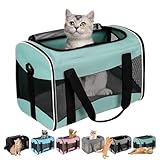
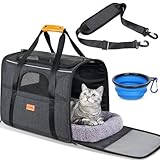
For most adult cats, look for a carrier with roughly 17 to 20 inches of interior length and 10 to 13 inches of width, adjusting upward for large breeds. A soft-sided option such as the Vceoa 17.5-by-11-by-11-inch carrier, typically around $20, can work for calm small-to-medium cats. For cats up to about 20 pounds, a roomier soft carrier such as the Morpilot model, often around $30, may be more suitable. For highly anxious cats, a hard-sided carrier with a removable top is often the easiest style for veterinary handling.
Step-by-Step
See also: Most Trusted Cat Litter Brands in 2026 and What Each Does Best • How to Introduce a Carrier to Cats (2026): Step-by-Step
1. Leave the carrier out before you need it (3 to 14 days ahead)
Place the open carrier in a quiet area your cat already uses, such as a bedroom corner or near a favorite resting spot. Remove the door if your carrier allows it, or secure it fully open so it cannot swing shut and startle your cat. Put a folded towel, familiar blanket, or carrier pad inside.
Do not make the carrier appear only when it is time to leave. In 2026, this remains one of the simplest ways to reduce carrier anxiety: make it a normal piece of furniture instead of a warning sign. Toss one or two treats just inside the entrance once or twice a day. Let your cat investigate at their own pace.
2. Build positive carrier habits (2 to 5 minutes, once or twice daily)
When your cat is comfortable approaching the carrier, place treats farther inside. Feed a small portion of a favorite snack near the back, then step away. Avoid closing the door during the first few practice sessions.
Once your cat willingly steps in, briefly pet them or offer a treat while they are inside. Keep sessions short and end before your cat becomes uneasy. The aim is for your cat to enter voluntarily several times, not to remain inside for a long period immediately.
3. Prepare the carrier and route before loading (5 minutes)
On travel day, line the carrier with a towel or absorbent pad. Make sure there are no loose straps, broken zippers, sharp edges, or gaps wide enough for a paw or head to get caught. Check that all latches close firmly.
Set the carrier on the floor in a small, quiet room with the door closed. A bathroom, laundry room, or bedroom usually works better than a large open living area. Turn off loud televisions and keep other pets out. Have your keys, phone, paperwork, and treats ready before you bring the cat into the room.
4. Use the voluntary-entry method first (1 to 3 minutes)
Place a treat near the carrier opening, then another midway inside, and a final treat at the back. If your cat walks in, quietly close the door once their entire body and tail are inside. Do not slam the door or praise loudly; a calm “good job” is enough.
If your carrier has a top opening, avoid reaching down to pull the cat through it when they are resisting. Top openings are best for gently lowering in a calm cat or for giving a quick reassuring touch after loading, not for wrestling.
5. Try the rear-first loading method for reluctant cats (1 to 2 minutes)
If your cat will not walk in, use a carrier with a front door and position it upright so the opening faces the ceiling. Hold your cat securely but gently against your chest, supporting the chest with one hand and the hindquarters with the other.
Lower your cat into the carrier rear end first. This prevents the front paws from bracing against the doorway. Once the cat is inside, close and latch the door, then return the carrier to its normal horizontal position slowly. Keep your hands and movements steady; hesitation can give a cat time to twist free.
6. Use a towel wrap only when necessary (2 to 4 minutes)
For a frightened cat, place a large towel over the cat’s body while they are on a stable surface. Gently wrap the towel around the body, keeping the head uncovered if possible and never compressing the chest. Support the wrapped cat underneath, then lower them rear-first into the carrier.
This is not a technique for squeezing or restraining a panicked cat. If your cat is growling, open-mouth breathing, flailing hard, or trying to bite, pause. Give them several minutes of quiet and consider calling your veterinarian for advice, especially if travel is urgent.
7. Cover, carry, and secure the carrier (2 minutes)
Once the cat is inside, drape a light towel over part of the carrier if that helps block visual stimulation, but leave ample ventilation uncovered. Carry the carrier from the bottom with both hands; do not swing it by a single handle unless the manufacturer specifically rates that handle for your cat’s weight.
In a vehicle, place the carrier on the rear seat and secure it with a seat belt, or position it securely on the vehicle floor behind a front seat if it cannot slide. Never let a cat ride loose in the car.
Mistakes to Avoid
- Chasing your cat through the house. This raises stress and teaches your cat to hide whenever the carrier appears. Close doors first and work in one small room.
- Using the carrier only for vet visits. Keep it accessible year-round so it becomes part of the home environment.
- Forcing the head in first. Cats commonly brace with their front legs. Rear-first loading is usually smoother.
- Choosing a carrier that is too small. A cramped carrier is uncomfortable and makes loading harder. Your cat should be able to turn around without being folded or wedged in.
- Failing to check latches and zippers. Test every closure before leaving. A stressed cat can exploit a partly zipped opening surprisingly quickly.
- Opening the carrier outdoors or in an unsecured car. Even normally calm cats can bolt when startled. Keep the carrier closed until you are in a fully enclosed, safe space.
- Waiting until the last minute. Allow 10 to 15 extra minutes before an appointment, particularly if your cat is wary of the carrier.
How Often
Keep the carrier out all the time if space allows. Refresh the positive association two or three times a week by placing a treat, toy, or small meal inside. For cats with strong carrier anxiety, practice one-minute sessions weekly: encourage entry, close the door for 10 to 30 seconds, open it, and offer a reward.
Before any planned trip, begin more focused practice at least one week ahead. Work up gradually from entering the carrier to sitting inside with the door closed, then being carried around the house for 30 to 60 seconds. For long-distance travel, add brief parked-car sessions before attempting a drive.
When to Call a Pro or Replace
Call your veterinarian before travel if your cat becomes intensely distressed, repeatedly injures themselves while resisting, pants or drools heavily, or has a history of motion sickness. Your vet can advise on behavior training, travel planning, or prescription medication when appropriate. Do not give human sedatives or over-the-counter calming products without veterinary guidance.
Replace the carrier if it has cracked plastic, bent doors, damaged mesh, broken zipper pulls, loose stitching, sharp edges, or unreliable latches. Also replace it if your cat has outgrown it. A carrier that once fit an 8-pound young cat may be too tight for the same cat at 13 pounds.
FAQ
How do I get a cat into a carrier when it is hiding?
Do not drag the cat from a tight hiding space if you can avoid it. Close the room, reduce noise, and wait quietly with the carrier ready. If time is limited, block access to under-bed or behind-furniture hiding spots before you bring out the carrier. For a cat already hiding, a towel wrap may be safer than attempting to grab them with bare hands.
Is a hard or soft carrier better for cats?
Hard-sided carriers are generally easier to clean, more protective, and often better for anxious cats because many have removable tops. Soft-sided carriers are lighter and easier to store, and they can be practical for calm cats or short trips. Whichever type you choose, prioritize secure closures, ventilation, and enough room for your cat’s body size.
Can I put two cats in one carrier?
Usually, no. Even bonded cats may fight when confined under stress, and one cat can block the other’s movement. Use one carrier per cat for routine transportation. Exceptions may exist for tiny kittens traveling briefly with their mother, but your veterinarian can advise for that situation.
What if my cat cries the entire time in the carrier?
Some vocalizing is common, especially during car travel. Keep the carrier stable, limit noise, and avoid opening it to reassure the cat while traveling. Covering part of the carrier with a breathable towel may help. If crying is severe, paired with panting, vomiting, drooling, or frantic escape attempts, discuss travel anxiety or motion sickness with your veterinarian before the next trip.
Ready to decide? Our #1 pick for 2026 is the Secure cat carrier.
Live price & availability on Amazon.