📅 Last updated:
The best litter box for pine pellets is the Tidy Cats Breeze XL Litter Box System for most owners, because its 6 mm slotted grate lets pine sawdust fall through without clogging while intact pellets stay on top, and its deep pull-out drawer holds 2-3 days of sawdust for one cat.
If you want the best sifting litter box for pine pellets on a budget or for multiple cats, the Van Ness Large Sifting Cat Litter Pan and the Arm & Hammer Large Sifting Litter Box are simpler 3-pan stack designs that work just as well, as long as you empty the bottom pan daily. Pine pellets do not clump, they disintegrate, so you need a sifter with large slots, not fine mesh, plus a bottom collection tray with enough depth to hold damp sawdust without touching the sifter.

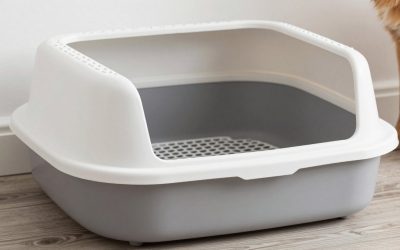
Purina Tidy Cats Breeze Covered Cat Litter Box System Kit
Included for 'Best Litter Box for Pine Pellets in 2026: 6 Sifting Picks That Actually Work' as a relevant option in this category; details come from the product listing.
View on Amazon
Small Pet Select Sifting Cat Litter Box, with Scoop & 5 Pee Pads
Included for 'Best Litter Box for Pine Pellets in 2026: 6 Sifting Picks That Actually Work' because the listing specifies with Scoop & 5 Pee Pads, details this guide uses to compare options.
View on Amazon
Suzzipaws XL Stainless Steel Sifting Litter Box with Lid for Pine Pellets
Included for 'Best Litter Box for Pine Pellets in 2026: 6 Sifting Picks That Actually Work' as a relevant option in this category; details come from the product listing.
View on Amazon📋 Table of Contents
What actually matters for pine pellets
Standard clumping-litter sifters fail with pine. Their holes are too small and sawdust cakes on top. For pine pellets, check three specs before you buy:
- Sifter hole size and shape: Look for slots or round holes 5-7 mm wide. Slots around 6 x 15 mm are ideal. Anything under 4 mm will clog and require shaking. Fine mesh screens for sand or crystal litter will not work.
- Sawdust drawer capacity: One pound of pine pellets makes roughly 0.8 to 1.1 quarts of loose sawdust when fully broken down. A drawer or bottom pan that is 2.5 to 4 inches deep and holds 3 to 6 quarts will handle 1-2 cats for 1-3 days without overflowing into the sifter.
- Scoop and sifter fit: Pine pellet scoops need slots 8-12 mm wide. A standard fine litter scoop will trap sawdust-covered pellets and make sifting frustrating. If the box has a high-sided top frame, it must lift off easily so you can shake the sifter side-to-side without spilling pellets.
6 sifting boxes compared with real dimensions
See also: Washable Kitten Bed With Removable Cover: 7 Easy-Wash Picks • Cat House for Outdoor Cats: Insulated Shelters and Straw Bedding
All dimensions below are manufacturer-listed interior or overall sizes for the large / XL versions commonly used for pine pellets in 2026.
| Box | Overall size (L x W x H) | Sifter opening | Bottom collection depth | Material |
|---|---|---|---|---|
| Tidy Cats Breeze XL System | 20.5 x 14.7 x 10.7 in | ~6 mm slots | 3.2 in drawer, ~5.5 qt usable | Polypropylene, pull-out drawer + pad option |
| Van Ness Large Sifting Pan with Frame | 19.3 x 15.3 x 8.0 in | ~5.5 mm round holes | 3.0 in bottom pan, ~4.5 qt usable | Molded plastic, 3-pan stack |
| Arm & Hammer Large Sifting Pan | 19.0 x 15.0 x 8.0 in | ~6 mm slots | 3.0 in bottom pan, ~4.5 qt usable | Recycled plastic, 2 sifters + 1 pan |
| So Phresh Sifting Cat Litter Box | 18.9 x 15.1 x 7.6 in | ~5 mm slots | 2.8 in bottom pan, ~4.0 qt usable | Polypropylene, 3-pan stack |
| Nature’s Miracle Sifting Litter Box | 21.5 x 16.0 x 8.8 in | ~6 mm rectangular slots | 3.5 in bottom pan, ~5.0 qt usable | Plastic with odor-resistant coating |
| Omega Paw Roll’N Clean Large | 23.0 x 20.0 x 16.0 in | Internal grate, ~6-7 mm slots | Pull-out tray, ~4.0 qt usable | Plastic enclosed globe, no scooping |
1. Tidy Cats Breeze XL System – Best overall for pine pellets
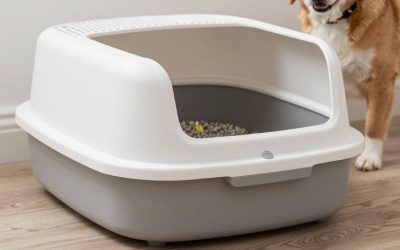
This is a pellet-first design, originally made for zeolite pellets, but it is widely reused for pine pellets because the grate spacing and drawer are correct. Fill with only 1.5 to 2 inches of pine pellets, not to the fill line meant for heavier pellets. Skip the disposable pads if you use pine and line the drawer with a paper bag or leave it bare for sawdust collection. The high sides reduce pellet scatter, which matters because pine pellets bounce.
2. Van Ness Large Sifting Pan with Frame – Best budget stack
A classic three-piece set: two sifting pans plus one solid bottom pan, with a snap-on frame to control scatter. The round holes are slightly smaller than ideal, so you need to shake vigorously every 24 hours before sawdust gets damp and packs. Best for one cat or for owners who do not mind daily 60-second sifting. General market range is typically the lowest of this group.
3. Arm & Hammer Large Sifting Pan – Best for heavy sifters
Very similar footprint to Van Ness but with elongated slots that pass dry sawdust faster. It includes two sifters, which is useful: keep one clean and dry while the other is in use. The plastic is slightly more flexible, so it is less likely to crack if you lift a full load of pellets by the sifter edges.
4. So Phresh Sifting Cat Litter Box – Best for small spaces
Slightly shorter walls make it easier for kittens, seniors, and small apartments where an XL hooded box will not fit. Because the bottom pan is shallower, do not overfill. Use 4 to 5 cups of pellets max for one cat, sift daily, and dump the bottom pan every 1 to 2 days to prevent urine odor from damp sawdust.
5. Nature’s Miracle Sifting Litter Box – Best large open pan
The largest open footprint here, good for big cats over 12 pounds who refuse covered boxes. The extra inch of bottom depth gives you margin if you work long shifts and cannot sift daily. The coated plastic wipes clean more easily than unfinished polypropylene when pine resin builds up.
6. Omega Paw Roll’N Clean – Best if you hate scooping
You roll the enclosed unit to the right, sawdust falls into the pull-out tray, then roll back to reset pellets. It works with pine pellets only if you keep the fill level low, about one-third full, otherwise intact pellets jam in the grate. It controls odor and scatter well but is bulky and harder to deep-clean than open pans.
How much to use and how often to sift: a worked example
Pine pellet math prevents the two most common mistakes: overfilling and waiting too long to empty sawdust.
For one average 10-pound cat using pine pellets only:
- Start with 5 cups, about 1.6 lb, of pellets spread 1.5 inches deep in the sifter. More than 2.5 inches deep blocks airflow and traps sawdust on top.
- That 1.6 lb will fully convert to about 1.3 to 1.6 quarts of sawdust after 4 to 5 days.
- A 4.5-quart bottom pan therefore reaches half-full in about 6 to 7 days, but damp sawdust smells before it looks full. Sift daily, empty the bottom every 2 days, top up with 1 to 1.5 cups of fresh pellets.
- For two cats sharing one XL box, double the sawdust rate and empty the drawer daily. Most two-cat homes do better with two large sifting pans rather than one overfilled XL.
Setup that prevents clogging: place sifter on top of empty bottom pan, add pellets, set box on a hard floor or low-pile mat for stability. Once daily, lift the sifter, shake side-to-side over the bottom pan for 15 to 20 seconds, pick out solids with a wide-slot scoop, dump sawdust into trash or compost where local rules allow, and wipe the bottom pan dry. Do not flush pine sawdust. Do not add water to break pellets down faster, it creates paste that seals the holes.
Which one should you pick?
| Your situation | Pick this type | Why |
|---|---|---|
| One cat, want least daily work | Tidy Cats Breeze XL | Deep drawer + high sides, sift every 1-2 days |
| Tight budget, okay with daily shaking | Van Ness or Arm & Hammer stack | Cheap, light, replacement parts easy to find |
| Large cat, open box only | Nature’s Miracle Sifting | Widest floor space, deeper bottom pan |
| Small apartment or kitten / senior cat | So Phresh Sifting | Lower entry, smaller footprint |
| Hate scoops, want enclosed box | Omega Paw Roll’N Clean | Roll-to-sift, good scatter control if kept half-full |
| Two cats, one box area | Two stack pans, not one covered globe | Prevents overflow and territorial avoidance |
Durability and ownership realities
Sifting pans fail in predictable places. The sifter itself usually lasts 2 to 4 years, but the bottom pan wears first because wet acidic sawdust sits in it. Check for rough, whitened plastic and lingering odor after washing, that means urine has etched the surface and it is time to replace the bottom pan only.
Other realities specific to pine: pine resin leaves a sticky film on the sifter after 2 to 3 months. Soak in hot water with unscented dish soap for 20 minutes, scrub slots with a bottle brush, never with bleach on scratched plastic. Do not use a high-heat dryer or leave black pans in a hot car, warping changes the stack fit and sawdust leaks around the edges. Keep a spare solid pan on hand if you use a 3-pan system, so you can swap a clean dry bottom in while the other air-dries completely, which is the single best odor control step.
Common mistake: using a litter liner in the sifter. Liners block holes and tear on pellet edges. If you want easier cleanup, line only the bottom collection drawer, never the sifting layer.
FAQ
Can you use any sifting litter box for pine pellets?
No. Boxes made for clay or crystal with mesh under 4 mm will clog. You need slots or holes 5 mm or larger and a solid bottom pan, not a second sifter.
How deep should pine pellets be in a sifting box?
Only 1.5 to 2 inches, about 4 to 6 cups for a large pan. Deep layers waste pellets and trap wet sawdust on top where the cat steps.
Do you scoop urine with pine pellets?
No. Remove solids daily, then shake so urine-softened sawdust falls through. Dump the sawdust, do not try to scoop it out of the pellets. If you have concerns about litter habits, odor, or your cat avoids the box, talk to your veterinarian for general guidance.