📅 Last updated:
A cat water fountain keeps your cat drinking more and staying hydrated, but there is a catch that catches almost every owner off guard: the slimy, invisible film that builds up inside it. That film is called biofilm, and if you do not clean it out regularly your fountain can start to smell, grow bacteria, and actually put your cat off drinking. This guide walks through exactly how often to clean a cat water fountain, how to remove stubborn biofilm safely, when to change the filter and sponge, and which cleaners are safe to use around your cat.
📋 Table of Contents
- What Is Biofilm and Why It Matters
- How Often Should You Clean a Cat Water Fountain?
- Step-by-Step: How to Deep Clean a Cat Water Fountain
- Vinegar vs Bleach: What Is Safe?
- When to Change the Filter and Sponge
- Fountains That Resist Biofilm (and Are Easier to Clean)
- Simple Habits That Keep a Fountain Fresh
- Frequently Asked Questions
What Is Biofilm and Why It Matters
Biofilm is the slippery, slightly slimy layer that coats the inside of the fountain bowl, pump, and tubing. It forms when bacteria in the water attach to surfaces and multiply, binding together in a protective film. You often cannot see it clearly, but you can feel it: run a finger around the inside of the bowl and if it feels slick rather than squeaky, that is biofilm. Left alone it traps debris, creates odor, and can harbor bacteria that cause your cat to drink less or even develop stomach upset. Removing it is the single most important part of fountain maintenance.
How Often Should You Clean a Cat Water Fountain?
See also: Most Trusted Cat Litter Brands in 2026 and What Each Does Best • How to Introduce a Carrier to Cats (2026): Step-by-Step
As a rule of thumb, do a quick rinse and water change every 2 to 3 days, a full disassembled clean once a week, and a deep clean of the pump every 2 to 4 weeks. Cleaning every single day is not necessary for most fountains and can be impractical, but going longer than a week between full cleans is where biofilm and odor take hold. Homes with multiple cats, hard water, or warm rooms should lean toward the more frequent end of that range.
Step-by-Step: How to Deep Clean a Cat Water Fountain
1. Unplug and Fully Disassemble
Always unplug the pump first. Take the fountain completely apart, including removing the pump cover and impeller (the small spinning magnet inside the pump). Most biofilm hides in the pump and the narrow tubing, so a surface wipe of the bowl alone will not solve odor problems.
2. Wash Every Part
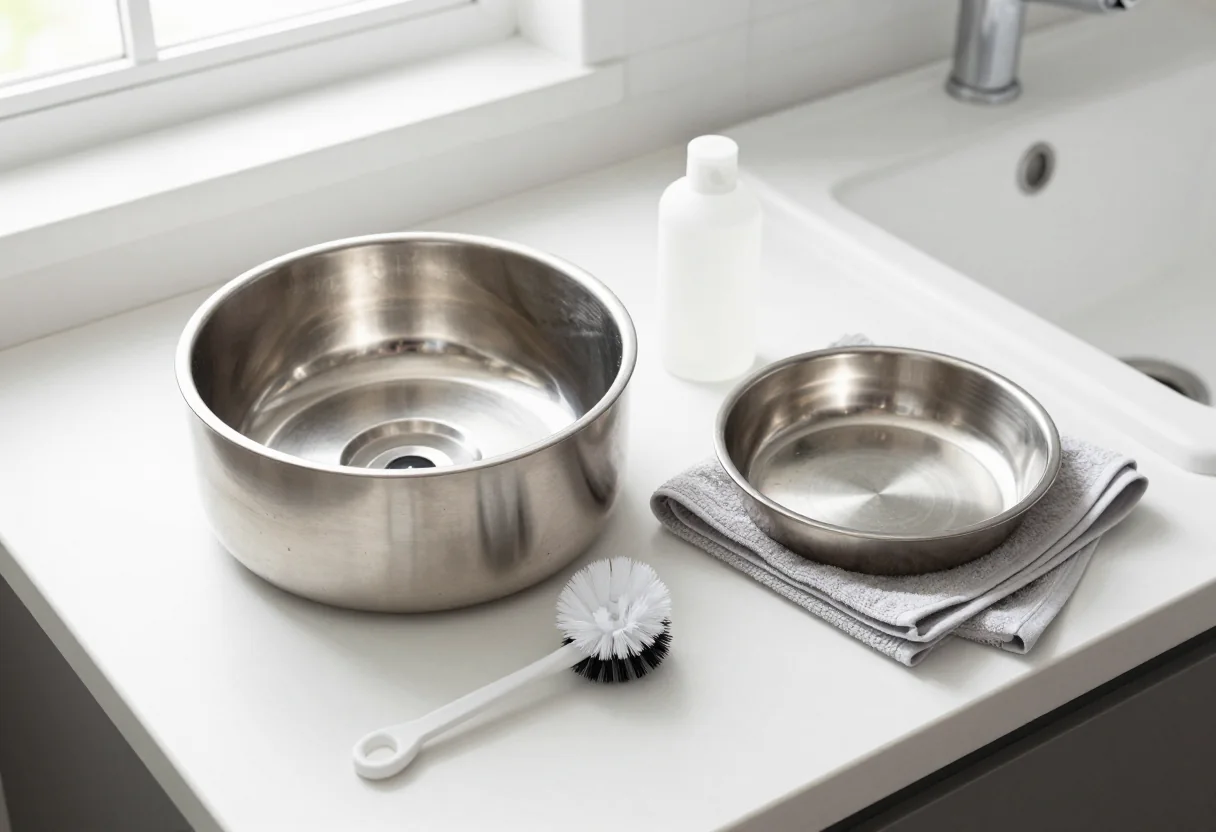
Wash the bowl and parts in warm water with a small amount of unscented dish soap. Use a bottle brush or an old toothbrush to scrub inside the pump housing, tubing, and any grooves where slime collects. Rinse thoroughly, because leftover soap residue can also deter fussy drinkers.
3. Remove Stubborn Biofilm and Mineral Scale
For biofilm and the chalky white mineral scale that hard water leaves behind, soak the non-electronic parts in a solution of equal parts white vinegar and water for 10 to 15 minutes, then scrub again. Vinegar dissolves both biofilm and limescale and rinses away cleanly, which is why it is the go-to for regular deep cleans.
4. Rinse, Dry, and Reassemble
Rinse every part thoroughly under running water until you can no longer smell vinegar, let the pump air-dry, then reassemble and refill with fresh water.
Vinegar vs Bleach: What Is Safe?
For routine cleaning, white vinegar is the safest and most effective choice. It removes biofilm and scale, is non-toxic once rinsed, and leaves no harmful residue. Bleach can be used very occasionally for heavy sanitizing, but only heavily diluted (about a teaspoon per gallon of water), and it must be rinsed extremely thoroughly and air-dried, because any residue is dangerous to cats. For most owners, sticking to vinegar and hot soapy water avoids the risk entirely. Never mix vinegar and bleach together, as the combination produces toxic fumes.
When to Change the Filter and Sponge
Replace the carbon filter every 2 to 4 weeks, sooner if the water starts to taste or smell off or you have multiple cats. The foam pre-filter sponge should be rinsed at every cleaning and replaced roughly every 1 to 2 months as it breaks down. A common question is whether to soak a new filter before use: rinsing a new carbon filter under cool running water for a few seconds to remove loose carbon dust is helpful, but a long soak is not required unless the manufacturer specifies it.
Fountains That Resist Biofilm (and Are Easier to Clean)
Material makes a real difference. Stainless steel and ceramic fountains resist biofilm far better than plastic, which develops micro-scratches that harbor bacteria. If you are tired of constant scrubbing, these designs cut maintenance noticeably:
| Fountain | Why It Helps | Typical Price |
|---|---|---|
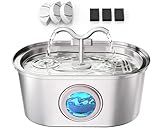
| PETLIBRO Stainless Steel Cat Water Fountain | Stainless bowl resists biofilm, large capacity | $35–$55 |
| PetSafe Drinkwell Platinum Fountain | Adjustable flow, easy to fully disassemble | $50–$70 |
| Veken Pet Fountain | Stainless option, quiet pump, simple to clean | $25–$45 |
| Catit Flower Water Fountain | Budget pick, triple-action filter | $25–$40 |
Prices are approximate and change often; check the live listing for the current price.
Simple Habits That Keep a Fountain Fresh
Top up with fresh water daily, do the vinegar deep-clean of the pump on a fixed day each week so you do not forget, keep spare filters on hand, and choose a stainless or ceramic model if biofilm is a recurring battle. These small habits keep your cat drinking and save you from fighting odor and slime later.
Frequently Asked Questions
How do I remove biofilm from a stainless steel cat water fountain?
Disassemble the fountain, then soak the stainless and plastic parts in a 50/50 white vinegar and water solution for 10 to 15 minutes. Scrub the pump, impeller, and tubing with a small brush, then rinse thoroughly until the vinegar smell is gone. Stainless resists biofilm better than plastic, but the pump still needs regular scrubbing.
Can I use bleach to clean my cat’s water fountain?
Only very occasionally and heavily diluted (about a teaspoon per gallon), followed by extremely thorough rinsing and full air-drying, because bleach residue is toxic to cats. For routine cleaning, white vinegar is safer and just as effective, and you should never mix bleach with vinegar.
When should I change the sponge and filter in a cat water fountain?
Replace the carbon filter every 2 to 4 weeks, and rinse the foam sponge at each cleaning while replacing it every 1 to 2 months. Change them sooner if you have multiple cats or the water develops any odor or taste.
Do I need to soak a new fountain filter before using it?
A long soak usually is not required. Rinsing a new carbon filter briefly under cool running water removes loose carbon dust, which is all most fountains need. Follow the manufacturer’s instructions if they specifically call for soaking.
How often should I clean a cat water fountain?
Change the water and rinse every 2 to 3 days, do a full clean weekly, and deep-clean the pump every 2 to 4 weeks. Going longer than a week between full cleans is when biofilm and odor usually take hold.