📅 Last updated:
A pet water fountain can collect mineral scale, slime, hair, and food residue faster than it appears from the outside. Hard-water deposits may narrow the pump inlet, weaken the flow, make the motor noisier, and trap bacteria around seams and impellers. If you scrub too aggressively, use the wrong chemical, or reassemble the fountain before every part is rinsed, you can leave an irritant in your pet’s drinking water—or damage the pump.
The good news is that descaling is a manageable maintenance job. The process below works for most plastic and stainless-steel fountains, including compact models and larger 100- to 110-ounce units. Always check your fountain’s manual first, especially if the pump, filter housing, or electrical parts have special cleaning instructions. This routine is suitable for a 2026 maintenance schedule and takes about 30 to 45 minutes, not including drying time.
As an Amazon Associate we earn from qualifying purchases at no extra cost to you.


📋 Table of Contents
Quick answer: Our top pick in 2026 is the Pet-safe fountain descaler — our #1 rated choice. See the full ranked comparison, alternatives and buying advice below.
What You Need
| Item | Why | Optional? |
|---|---|---|
| Pet-safe fountain descaler | Breaks down hard-water scale without relying on harsh household cleaners. Follow the product label for the correct amount and contact time. | No |
| Soft sponge or microfiber cloth | Lifts residue without scratching plastic, stainless steel, or ceramic surfaces. | No |
| Soft toothbrush or small nylon brush | Cleans the pump cavity, impeller area, grooves, and drinking spout. | No |
| Large bowl or sink basin | Holds removable parts while they soak and keeps small pieces from disappearing down the drain. | Yes |
| Clean water | Flushes away dissolved scale and any remaining cleaning solution. | No |
| Replacement filter | A used carbon or foam filter can hold odor, slime, and loosened mineral debris after cleaning. | Yes |
| Rubber gloves and a towel | Protects your hands and keeps the work area dry. | Yes |
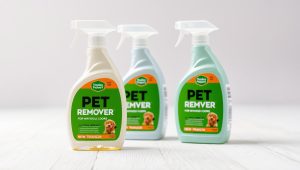
A product such as CLYND Pet Water Fountain Cleaner and Descaler Tablets, a 24-pack priced at approximately $18 to $22, is one convenient option. Use only the amount directed on its packaging, and confirm that the formula is intended for your fountain’s materials. A descaler is not a substitute for routine rinsing, and a tablet should never be dropped into a fountain while your pet can drink from it.
Step-by-Step
See also: How to Set Up Timed Pet Feeder (2026): Step-by-Step • Water Fountain Buying Guide for Multiple Pets in 2026: What Actually Matters
-
Unplug the fountain and move your pet’s water bowl (2 minutes)
Prepare a separate bowl of fresh drinking water before you begin. Unplug the fountain from the wall or USB power source; do not clean an energized pump. Pour out all remaining water, including water in the reservoir, lid, tray, and pump chamber. Place the cord and power adapter well away from the sink.
-
Remove the filter and separate the parts (5 minutes)
Take out the carbon filter, foam prefilter, and any decorative flower, spout, cover, or water-level window that can be removed. Set aside parts you plan to replace. If a filter is visibly slimy, smells sour, or has been in service longer than the manufacturer recommends, discard it rather than trying to descale it.
Do not submerge an electrical adapter, inline control, or sealed power connection. The pump itself can usually be removed from the fountain, but verify the manual if you are unsure.
-
Rinse away loose debris (3 minutes)
Rinse the reservoir and removable components with lukewarm water. Use a soft cloth to wipe away hair, food particles, and loose film. This makes the descaler more effective because it can contact the mineral deposits instead of working through a layer of grime.
-
Mix the descaling solution as directed (2 minutes)
Fill a bowl or the empty reservoir with the amount of water specified by the descaler instructions, then add the recommended tablet or solution. Use lukewarm water unless the label says otherwise. Never combine descaler with bleach, ammonia, dish soap, hydrogen peroxide, or another acid. Mixing cleaners can create irritating fumes or leave unpredictable residues.
-
Soak the non-electrical parts (10 to 20 minutes)
Place the reservoir, lid, spout, tray, and other removable washable parts into the solution. Keep the pump separate unless the instructions specifically say it can be immersed. Let the parts soak only for the stated time; a longer soak is not automatically better and may dull finishes or affect rubber seals.
For a fountain made from stainless steel, avoid steel wool or abrasive powder. For plastic, avoid sharp tools that can create scratches where biofilm later collects.
-
Disassemble and clean the pump (5 to 8 minutes)
Most small fountain pumps have a front cover that snaps or slides off. Remove the rubber cap or impeller cover if the design allows it. Lift out the magnetic impeller carefully, then use a soft toothbrush or narrow nylon brush to clean the impeller well, inlet, outlet, and tiny channels.
Mineral scale often hides inside the pump rather than on the visible housing. Work gently around the impeller shaft and rubber feet. Wipe the pump housing with the descaling solution or briefly soak it only if the manufacturer and descaler both permit that method. Never force a stuck impeller with a knife or metal pick.
-
Scrub, rinse, and inspect every surface (5 to 8 minutes)
After soaking, scrub softened scale with the sponge or brush. Pay special attention to the water outlet, underside of the lid, corners, silicone feet, and grooves around the pump cover. Rinse each part under running water until there is no slick feeling, odor, foam, or visible residue.
Run clean water through the pump inlet and outlet several times. If scale remains, repeat a short treatment according to the product label rather than increasing the solution strength.
-
Dry, replace the filter, and reassemble (10 minutes plus drying time)
Pat the pieces dry with a clean towel and allow them to air-dry fully. Reinstall the pump cover, impeller, seals, lid, and spout in their original positions. Insert a new filter if the old one is dirty or saturated. Do not use a filter that has been exposed to descaler unless its instructions specifically approve it.
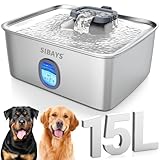
Fill the fountain with fresh water, staying below the maximum fill line. A stainless-steel model such as the Veken Innovation Award Winner C1 holds about 108 ounces and is commonly priced around $25 to $35. Capacity does not change the cleaning steps, but a larger reservoir may need an extra rinse.
-
Flush the fountain before returning it to your pet (3 to 5 minutes)
Plug the fountain in and let it run for several minutes while you watch for leaks, unusual grinding, weak flow, or cloudy water. If the first water smells like cleaner or tastes unusual, unplug the unit, empty it, rinse it again, and refill it. Return it only when the water is clear and odor-free.
Mistakes to Avoid
- Do not clean a plugged-in fountain or allow water near an exposed adapter.
- Do not use bleach, ammonia, drain cleaner, concentrated vinegar, or essential oils unless the manufacturer specifically approves the product. Essential oils are especially inappropriate for drinking-water equipment.
- Do not mix cleaning chemicals or assume that more descaler will work faster.
- Do not scrub stainless steel with steel wool, razor blades, or abrasive scouring pads.
- Do not skip the pump. A clean reservoir cannot compensate for a clogged impeller or pump channel.
- Do not reinstall a wet filter, and do not leave a used filter in place simply because it looks clean.
- Do not rely on a descaling tablet to remove all biological buildup. Physical rinsing and brushing are still necessary.
How Often
For most homes, rinse the fountain and refresh its water every one to three days, wash removable parts weekly, and inspect the pump weekly. Descale approximately every two to four weeks if you have hard water, visible white deposits, or a fountain used by multiple pets. In soft-water areas, every four to eight weeks may be sufficient.
Clean sooner if the flow slows, the pump becomes noisy, the water develops an odor, or you see chalky scale. A water filter or filtered tap water may reduce mineral buildup, but it does not eliminate the need for cleaning. Follow the fountain’s filter replacement schedule, which commonly falls somewhere between every two and eight weeks depending on the model and household use.
When to Call a Pro or Replace
Stop using the fountain if the cord is frayed, the adapter gets hot, the housing is cracked, or water reaches an electrical connection. A qualified appliance or small-electronics technician can assess a cord or power issue; do not attempt an electrical repair while the fountain is wet.
Replacement is usually more practical when the pump still grinds or produces weak flow after thorough cleaning, the impeller shaft is damaged, seals no longer prevent leaks, or the plastic has deep scratches and persistent odor. If the pump is replaceable, compare the cost of a new pump with the fountain’s price. If a replacement pump costs close to half the price of a new unit, replacing the fountain may be the simpler option.
FAQ
Can I use vinegar to descale a pet water fountain?
Some manufacturers allow diluted white vinegar, but others prohibit it, particularly for certain seals, finishes, or pump components. Use the fountain manual as the deciding authority. Never mix vinegar with bleach or another cleaner, and rinse exceptionally well before refilling.
Should I remove the filter before descaling?
Yes. Remove carbon, foam, and specialty filters before adding descaler. Cleaning solution can saturate the filter, alter its performance, or release trapped debris back into the water. Replace it if it is dirty, smells, or has reached its recommended service interval.
How do I know whether the pump is clean?
The impeller should turn freely, the inlet should be open, and the pump should produce a steady stream without grinding or repeated stopping. A small amount of normal operating hum is expected; rattling, vibration, or dramatically reduced flow suggests debris, scale, a damaged impeller, or a worn pump.
Is stainless steel easier to keep clean than plastic?
Stainless steel is often less likely to retain odors and is resistant to many everyday scratches, but it still develops mineral scale. Plastic fountains can be cleaned effectively when maintained regularly. In either case, smooth surfaces, removable parts, and an accessible pump matter more than the material alone.
Ready to decide? Our #1 pick for 2026 is the Pet-safe fountain descaler.
Live price & availability on Amazon.