📅 Last updated:
An orthopedic pet bed supports sore joints with layered foam, but that same construction makes it harder to clean than a standard cushion. Washing it incorrectly can shrink the cover, damage waterproof backing, leave detergent trapped in the fabric, or saturate memory foam so deeply that it develops odors and mildew. A wet, heavy insert can also be difficult to lift without tearing seams.
The safest approach is to separate the washable cover from the foam, remove loose debris before adding water, and follow the care label whenever its instructions differ from general guidance. The method below works for many removable-cover beds, including large and extra-large designs with waterproof liners and non-slip bottoms. Set aside about 45 minutes of active work, plus several hours of drying time. These steps are useful for maintaining an orthopedic bed in 2026, whether the bed has bolsters, a flat mattress, or a waterproof inner cover.
As an Amazon Associate we earn from qualifying purchases at no extra cost to you.

📋 Table of Contents
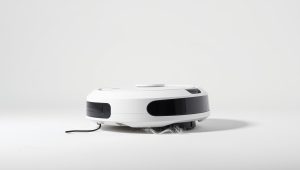
Quick answer: Our top pick in 2026 is the Vacuum with upholstery attachment — our #1 rated choice. See the full ranked comparison, alternatives and buying advice below.
What You Need
| Item | Why | Optional? |
|---|---|---|
| Vacuum with upholstery attachment | Removes fur, dirt, crumbs, and dander before they become muddy during washing. | No |
| Large washing machine | Cleans a removable cover evenly. A 4.5-cubic-foot or larger machine is helpful for XL covers. | No, if hand-washing |
| Mild, fragrance-free detergent | Limits residue and reduces the chance of irritating a pet’s skin or nose. | No |
| Enzyme pet-stain cleaner | Helps break down urine, vomit, and other organic stains before laundering. | Yes |
| Soft brush and microfiber cloths | Spot-clean seams, zippers, bolsters, and the foam’s outer surface. | Yes |
| Two or more clean towels | Blot moisture from foam and speed drying without wringing or twisting it. | Yes |
| Drying rack or clean, ventilated area | Allows air to circulate around the cover and foam. | No |
| Waterproof mattress bag or large plastic sheet | Protects the floor while a thick foam insert dries. | Yes |
Before buying replacement bedding or planning a wash, measure the cover and check the washer’s capacity. Some large orthopedic beds measure about 44 inches long and can weigh more than 10 pounds once wet. For reference, EHEYCIGA orthopedic models listed for large and extra-large dogs have commonly sold in the approximate $34–$40 range, but dimensions, construction, and care labels vary by model.
Step-by-Step
See also: How to Set Up Timed Pet Feeder (2026): Step-by-Step • Water Fountain Buying Guide for Multiple Pets in 2026: What Actually Matters
1. Read the care label and prepare the area (5 minutes)
Look for instructions on machine temperature, drying, bleach, and whether the foam can be washed. Most memory-foam inserts should not go into a washing machine or dryer unless the manufacturer specifically permits it. Check for a removable cover, an inner waterproof liner, and separate bolster pieces.
Choose a washable surface, such as a tiled floor, bathtub, or covered patio. Keep the bed away from your pet until every layer is completely dry. If the bed has a warranty, photograph the label and any existing damage before cleaning.
2. Remove loose fur and debris (5–10 minutes)
Take off blankets and toys. Shake the bed outdoors if practical, then vacuum both sides of the cover, paying special attention to zipper tracks, corners, piping, and the underside. Use a crevice tool around seams where hair collects.
Do not soak a cover that is still full of fur and grit. Water can turn loose debris into a paste that clogs the fabric and makes stains harder to remove.
3. Disassemble the bed (5 minutes)
Unzip the outer cover slowly and remove the foam without pulling on the fabric or handles. If the bed has a waterproof inner cover, remove it separately. Take photos as you go if the foam has several pieces or the bolsters fit into specific compartments.
Inspect the foam for tears, crumbling, or a persistent urine smell. Check the zipper and non-slip bottom for loose threads. Close zippers before washing removable fabric covers, but leave them slightly open if the care label says to do so.
4. Pretreat stains and odors (10 minutes)
Blot fresh liquid with towels. Do not rub, which can spread moisture deeper into foam or push a stain through the cover. Apply an enzyme cleaner to the affected fabric according to its label, and test it first on a hidden area.
Never combine enzyme cleaner with bleach, ammonia, or other cleaning chemicals. Give the pretreatment the recommended dwell time, usually several minutes, then blot away excess product. Avoid saturating memory foam; spot-treatment is safer than soaking.
5. Wash the removable cover (15 minutes)
Place the cover in a large washer by itself or with similar washable pet bedding. Use cold or warm water, a gentle cycle, and the smallest effective amount of fragrance-free detergent. Hot water can shrink some fabrics and may damage waterproof coatings, so use it only when the care label permits it.
For an extra-large cover that crowds the drum, use a commercial front-loading washer rather than forcing it into a small household machine. The cover should be able to move freely. Select an extra rinse if the fabric feels soapy after the first cycle. Avoid fabric softener, dryer sheets, bleach, and strong fragrances unless the manufacturer expressly approves them.
6. Clean the foam and waterproof liner (10–20 minutes)
Vacuum the foam on all sides. For a small spot, dampen a cloth with cool water and a drop of mild detergent, then gently dab the area. Follow with a second cloth dampened with clean water to remove soap. Do not twist, scrub aggressively, or fully submerge memory foam.
If the inner waterproof liner is washable, wipe or launder it according to its label. Inspect it for pinholes and split seams. A damaged liner can allow accidents to reach the foam, so replace it rather than relying on tape as a permanent repair.
7. Dry every component completely (4–24 hours)
Air-dry the cover according to its instructions. A low-heat dryer setting may be suitable for some fabrics, but high heat can shrink the cover or harm waterproof backing. When in doubt, use a drying rack or hang the cover indoors with good airflow.
Lay the foam flat on towels or a clean, ventilated surface. Turn it every few hours and replace damp towels. A fan can improve circulation, but do not aim a high-heat space heater directly at the foam. Do not reassemble the bed until it feels dry in the center, not merely dry on the surface. Thick foam may need 12–24 hours or longer in humid conditions.
8. Reassemble and inspect (5 minutes)
Check for lingering odor, dampness, loose stitching, and detergent residue. Refit each foam piece in its original orientation, smooth wrinkles from the cover, and close the zipper without forcing it. Press the bed in several places to confirm the foam is evenly positioned.
Let your pet use it only after the bed is fully dry and has no strong chemical smell. Wash your hands after handling stain-soaked materials.
Mistakes to Avoid
- Washing the foam in a machine: Agitation and water weight can deform memory foam, split it, or leave moisture trapped inside.
- Using too much detergent: Excess soap is difficult to rinse from dense fabric and may irritate paws or skin.
- Using bleach or ammonia: These chemicals can damage fabric, worsen some odors, and create hazardous fumes when mixed with other cleaners.
- Applying high heat: Hot dryers and heating tools can shrink covers, damage waterproof coatings, and degrade foam.
- Reassembling while damp: A closed, damp interior is a favorable environment for mildew and musty odors.
- Forcing an oversized cover into a small washer: Crowding prevents proper cleaning and can strain the machine.
- Ignoring the care label: Materials differ, so the manufacturer’s instructions take priority.
How Often
Vacuum the bed once or twice a week, and spot-clean accidents as soon as possible. Wash the removable cover about every two to four weeks for most indoor dogs. Wash weekly if your pet sheds heavily, sleeps outdoors, has allergies, or regularly brings in mud. A waterproof liner may need wiping weekly even when the outer cover looks clean.
Wash more often during hot, humid weather or whenever the bed develops an odor. Use a washable blanket over the main cover for dogs prone to accidents, but still inspect and clean the bed underneath.
When to Call a Pro or Replace
Consider professional upholstery or specialty pet-bedding cleaning when the cover is too large for your washer, the bed has extensive fecal contamination, or a delicate fabric requires specialized care. Ask what chemicals and drying methods will be used, and tell the cleaner that the bed contains memory foam.
Replace the bed when the foam remains malodorous after thorough drying, crumbles when touched, stays permanently compressed, or has mold-like growth. Replace a waterproof liner with major tears, and replace covers with broken zippers or exposed sharp hardware. If the bed no longer supports your pet evenly, cleaning will not restore its orthopedic function.
FAQ
Can I put an orthopedic pet bed in the washing machine?
Usually, only the removable fabric cover and an approved waterproof liner should go in the washer. Keep memory-foam inserts out unless the care label specifically says they are machine washable. Use a washer large enough for the cover to move freely.
How do I wash an orthopedic pet bed without a removable cover?
Vacuum thoroughly, then spot-clean the surface with a lightly damp cloth and mild detergent. Blot with clean water, avoid soaking the foam, and dry it flat with strong airflow. If the entire bed is contaminated or smells after drying, professional cleaning or replacement is safer than saturating it.
Can I use vinegar or baking soda?
Baking soda can help absorb a mild surface odor when sprinkled lightly and vacuumed away completely. Use caution with vinegar: it may affect some waterproof coatings and does not replace an enzyme cleaner for urine. Never mix vinegar with bleach or other cleaners.
How long does an orthopedic pet bed take to dry?
A thin cover may air-dry in a few hours, while dense foam commonly needs 12–24 hours or longer. Humidity, thickness, and ventilation matter. Feel the center and seams before reassembly; if either is cool, damp, or musty, keep drying.
Ready to decide? Our #1 pick for 2026 is the Vacuum with upholstery attachment.
Live price & availability on Amazon.