📅 Last updated:
Choosing between a memory foam vs orthopedic foam bed is less about picking a universally “better” material and more about matching the bed to the person, pet, room, and budget. Memory foam is designed to cushion the body by responding to heat and pressure. Orthopedic foam typically emphasizes firmer, more supportive construction, often using high-density foam or layered foam to reduce sagging and make getting up easier.
The distinction can be confusing because “orthopedic” is not a precise material standard. A bed marketed as orthopedic may contain memory foam, high-density polyurethane foam, or several layers of different foams. Before buying, look beyond the label at thickness, firmness, cover quality, dimensions, cleaning instructions, and how much support the user actually needs. This guide compares the two choices for bedrooms, guest rooms, rentals, family spaces, and pet areas in 2026.
As an Amazon Associate we earn from qualifying purchases at no extra cost to you.


📋 Table of Contents
Quick Verdict
Choose memory foam when pressure relief, motion isolation, and a contouring feel matter most. It is especially useful for side sleepers, couples who disturb each other at night, and anyone upgrading a firm mattress with an affordable topper.
Choose an orthopedic foam bed when stable support, easier movement, and durability are higher priorities than a deep, enveloping feel. It is often the better choice for older adults, larger sleepers, people who prefer a firm surface, and dogs that need a supportive resting area. However, always check the construction: a thick, dense memory foam mattress can provide more support than a thin bed labeled orthopedic.
Side by Side
See also: How to Remove Litter Box Odor Buildup (2026): Step-by-Step • How to Fix a Jammed Automatic Feeder (2026): Step-by-Step
| Factor | Memory Foam Bed | Orthopedic Foam Bed |
|---|---|---|
| Comfort | Contouring, pressure-relieving, and usually softer to medium-firm | More stable and firm, with less sinking |
| Support | Good when sufficiently thick and dense; may feel too soft for some sleepers | Designed around sturdy support and easier repositioning |
| Durability | Commonly about 5–10 years for a quality mattress; toppers may wear sooner | Often about 5–10 years, depending on foam density, thickness, and use |
| Price range | About $25–$400 for common toppers and entry-level mattresses; premium models cost more | About $40–$500 for common pet beds and foam mattresses; premium human beds cost more |
| Maintenance | Rotate periodically, use a protector, and spot-clean foam | Use a washable cover; many pet versions also have waterproof liners |
| Space needed | Usually uses the existing mattress footprint; common toppers add 2–4 inches | Requires a dedicated bed footprint; XL pet beds may be approximately 44 inches wide |
| Look | Minimal mattress or topper appearance, often hidden under bedding | Ranges from a conventional mattress to a raised, upholstered, or bolster-style bed |
| Resale | Low resale value because used sleep products are difficult to resell hygienically | Also low for mattresses; clean, lightly used pet beds may have limited local appeal |
| Best for | Pressure relief, side sleepers, couples, and mattress upgrades | Firm support, easier access, larger pets, and high-use areas |
Where Memory Foam Wins
Memory foam’s main advantage is pressure distribution. As the material warms and compresses, it forms around the shoulders, hips, and other high-pressure areas. That can make a firm mattress feel more comfortable without replacing the entire bed. Side sleepers often appreciate this cushioning because their shoulders and hips can otherwise bear much of the load.
It is also effective at reducing motion transfer. When one person changes position, the movement generally stays more localized than it would on a highly responsive innerspring surface. That makes memory foam a practical option for couples, children who move around at night, or guest rooms used by people with different sleep habits.
Memory foam is available in relatively inexpensive formats. A 2-inch topper can change the feel of a twin or full mattress while adding little height and no separate bed frame. For example, the SINWEEK 2 Inch Gel Memory Foam Mattress Topper in Twin size is listed at $26.99, while the EGO 2 Inch Twin Mattress Topper Gel Memory Foam for Pressure Relief is listed at $24.29. These products illustrate why a topper can be a low-cost experiment before committing to a new mattress.
For shoppers who want a complete mattress, the Novilla Bliss Mattress Queen Size is a 14-inch gel memory foam model listed at $339.99. A mattress of that height can provide more layered cushioning than a 2-inch topper, but it also requires attention to sheet depth, bed-frame clearance, room ventilation, and moving weight. Gel-infused foam may be marketed as cooler than conventional memory foam, but no foam bed eliminates heat retention for every sleeper.
Memory foam is not ideal for everyone. A deeply contouring surface can make turning or getting out of bed more difficult, particularly for people with limited mobility. It may also feel too warm or too soft for stomach sleepers and anyone who prefers a responsive, firm surface.
Where Orthopedic Foam Bed Wins
An orthopedic foam bed generally wins when firm, even support is the goal. High-density support foam resists compression more effectively than very soft foam, helping a sleeper or pet avoid feeling as though they are resting directly on the floor. The best designs may combine a supportive base with a thinner comfort layer, rather than using one uniformly hard slab.
This category is especially useful for older adults, heavier users, and anyone who finds a low, soft surface difficult to leave. A firmer bed can make sitting on the edge and standing up feel more stable. Still, firmness is not the same as medical effectiveness. “Orthopedic” should not be treated as a guarantee of pain relief or a substitute for advice from a qualified clinician.
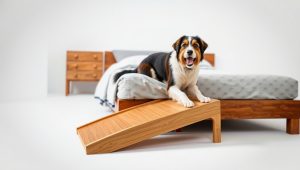
Orthopedic foam beds are also common for dogs. They can provide a broad, cushioned surface with an easy-care cover, and some are made for larger breeds. The EHEYCIGA Orthopedic Extra Large Dog Bed is a waterproof, washable XL pet bed measuring 44 inches wide and listed at $39.99. Its size is relevant for households with large dogs, but buyers should measure the dog while fully stretched out and leave additional room for turning.
For pets, maintenance can matter as much as foam. Look for a removable machine-washable cover, a waterproof inner liner, seams that do not expose foam, and a base that will not slide across hard flooring. For people, inspect the mattress protector and foundation requirements. Foam should not be folded or compressed permanently unless the manufacturer specifically allows it.
Cost Over 5 Years
Upfront price does not tell the whole story. A $25 topper may solve a comfort problem for several years, but it will not replace a sagging mattress or correct a weak bed frame. Conversely, a $340 mattress may be more economical than buying several short-lived toppers.
For a basic comparison, a $24.29–$26.99 twin memory foam topper costs roughly $5–$5.40 per year if it remains usable for five years. That calculation excludes the mattress underneath, bedding, and replacement costs. A $339.99 queen memory foam mattress works out to about $68 per year over five years before considering a protector or foundation. A $39.99 XL orthopedic pet bed works out to about $8 per year over five years, although frequent washing, chewing, accidents, and foam compression can shorten its useful life.
Orthopedic human mattresses often cost from roughly $300 to $1,500 or more, while orthopedic pet beds commonly range from about $40 to $250. The most important cost-control features are adequate foam thickness, a durable cover, a compatible foundation, and a warranty that clearly states what counts as unacceptable sagging. Avoid comparing prices without comparing size: a twin topper, queen mattress, and 44-inch-wide pet bed serve entirely different spaces.
Which One for Your Home
Small apartment
Memory foam usually makes more sense in a small apartment because a topper uses the bed you already own and adds no separate floor footprint. A 2-inch model is easier to store than a full spare bed, and an all-in-one foam mattress can work on a platform base. Confirm ventilation and carrying dimensions before delivery, especially if the mattress must navigate narrow stairs or an elevator.
Family with kids or pets
Prioritize washable, replaceable covers and protection from spills. Memory foam is a good choice for a child’s or guest mattress when pressure relief and motion isolation are useful, but use a waterproof protector. For a dog, an orthopedic-style bed with a washable cover and waterproof liner is generally more practical. Keep beds away from heaters and inspect foam regularly for tearing or chewing damage.
Rental
A memory foam topper is often the least disruptive option for a rental because it improves comfort without requiring furniture changes. Choose a size that matches the existing mattress and check its return window. An orthopedic bed can work for a pet in a rental, but a non-slip base and a cover that contains accidents can help protect floors and reduce odor.
Long-term home
When you expect to stay put, compare complete construction rather than labels. A quality memory foam mattress may be best for pressure relief and shared sleep, while an orthopedic foam design may be better for firm support and easy movement. Test the firmness if possible, measure the room and doorway, and budget for a protector, fitted sheets with the correct pocket depth, and eventual replacement.
FAQ
Is orthopedic foam better than memory foam?
Not automatically. Orthopedic foam describes a support-focused design, while memory foam describes a pressure-responsive material. A mattress can use both. Choose based on firmness, foam thickness, density information, cover quality, and the user’s comfort and mobility needs.
Can memory foam help with back discomfort?
It may help some people by cushioning pressure points and keeping the body more evenly supported, but results vary. A surface that is too soft can allow excessive sinking, while one that is too firm can create pressure at the hips and shoulders. Persistent or severe discomfort should be discussed with a healthcare professional.
How thick should a memory foam topper be?
Two inches can make a modest comfort adjustment without changing the bed’s height dramatically. Three to four inches creates a more noticeable, softer feel but may make movement and fitted-sheet sizing more difficult. A topper cannot reliably fix a mattress with major sagging or a damaged foundation.
How do I clean an orthopedic foam bed?
Remove and wash the cover according to its care label, blot accidents promptly, and spot-clean the foam with mild soap and limited moisture. Do not saturate or machine-wash foam unless the manufacturer explicitly permits it. Let every component dry completely before reassembly to reduce odor and moisture damage.
Ready to decide? Our #1 pick for 2026 is the Comfort.
Live price & availability on Amazon.