- Top Pick: oneisall Low Noise Dog Clippers Grooming Kit for Dogs Cats Pets
- Best Value: oneisall Dog Grooming Vacuum, Pet Grooming Vacuum with Clipper Nail Grinder, 1.5L Dust Cup Dog deshedding Brush with 7 Tools for Shedding Pet Hair, Home Cleaning(Blue)
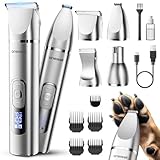
- Premium Choice: oneisall 4 in 1 Dog Grooming Kit with LCD Display
📅 Last updated:
As an Amazon Associate, All Ears Pet Care earns from qualifying purchases. This article contains affiliate links — if you buy through them we may earn a small commission at no extra cost to you. We only recommend products we believe in.
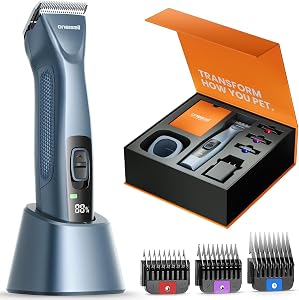
TL;DR: Home pet grooming clippers pay for themselves in 2–3 uses vs. professional grooming prices. Corded models give more consistent power for thick coats; cordless are safer and easier to maneuver around faces and paws. Blade quality and motor RPM matter more than brand name for results.
As an Amazon Associate we earn from qualifying purchases.



Best Pet Grooming Clippers for Home Use 2026: Pro Results Without the Salon Bill
Professional grooming for a medium-size dog runs $50–$120 per session. For a Poodle, Bichon, Shih Tzu, or any double-coated breed needing grooming every 6–8 weeks, that’s $300–$900 per year, indefinitely. A quality set of home clippers costs $60–$180 and lasts 5+ years with proper maintenance. The payback math is obvious — the barrier is confidence and technique, both of which are learnable in a weekend.
🛒 Best Price Today on Amazon
Prime members get fast, free shipping on everything above, plus member-only deals. New members get a 30-day free trial — cancel anytime.
📋 Table of Contents
- Top Picks at a Glance
- Corded vs. Cordless: Real-World Tradeoffs
- Clipper Specifications That Matter
- Blade Guide: Sizes and What They Do
- Desensitization: the Step Most People Skip
- Grooming Cats at Home
- Clipper Maintenance for Longevity
- Frequently Asked Questions
- Related Guides
- Related Articles
- Related Guides
Top Picks at a Glance
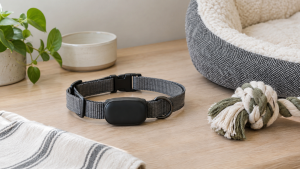
![Furbo Mini 360° Pet Camera [No Monthly Fee]](https://m.media-amazon.com/images/I/31jeSEKyrQL._SL400_.jpg)


As an Amazon Associate we earn from qualifying purchases. Product prices and availability are accurate as of the date/time indicated.
Corded vs. Cordless: Real-World Tradeoffs
See also: 7 Best Refillable Frozen Dog Treat Toys for Long-Lasting Licks • Best Dog Door Mat for Muddy Paws: Sizing, Materials and Picks by Entryway
Corded clippers maintain constant speed regardless of coat thickness — when you hit a mat or dense undercoat section, the motor doesn’t slow down and you don’t get tug-and-pull that causes pain. For thick double coats (Huskies, Malamutes, Golden Retrievers, German Shepherds) or large dogs requiring 45+ minutes of continuous clipping, corded is the professional choice. The limitation: cable management while working around legs, faces, and paws requires practice and creates trip hazard.
Cordless clippers have dominated the home market for good reason — freedom of movement, no tangling, safer around anxious dogs that might bolt. Modern lithium-ion cordless models run 60–120 minutes on a charge; most home grooms take 30–60 minutes. Blade heat builds faster on cordless due to motor efficiency differences — rotate two blade sets during long sessions, or pause to apply clipper coolant spray every 15 minutes. For small breeds and cats, cordless is almost always the right choice.
Clipper Specifications That Matter
| Spec | What It Means | Minimum for Home Use |
|---|---|---|
| Motor RPM | Cutting strokes per minute | 3,000+ RPM for any grooming |
| Blade type | Ceramic (cooler) vs. steel (sharper) | Ceramic preferred for home users |
| Comb set | Guard sizes included | #1–#10 set (1/8″ to 1.25″) |
| Noise level | dB at operating load | Under 65 dB for anxious pets |
| Vibration | Sensation transmitted to pet | Low-vibration rotary motor preferred |
| Blade gap | Adjustable cutting depth | 4-position adjustable blade |
Blade Guide: Sizes and What They Do
Clipper blade numbers are counterintuitive — higher numbers cut shorter. A #10 blade leaves 1/16″ of coat (used for sanitary trim areas); a #4 blade leaves 3/8″ (full body length for most breeds). Guard combs attach over blades to add length — a #10 blade with a 1″ guard leaves approximately 1″ of coat. Understanding this system is the key skill for replicating professional results at home.
For a standard all-over trim on a Shih Tzu or Bichon: #7 on body, #4 or #5 on legs, scissor-finish on face and feet. For a Poodle puppy clip: #7 body, #15 face and feet, #5 or #7 tail base. For a sporting dog (Cocker Spaniel): #10 back, #7 sides, scissor-finish ears and legs. Online breed-specific grooming tutorials are invaluable — watch three before your first home groom. The technique matters as much as the tools.
Desensitization: the Step Most People Skip
A dog that’s never been clipped at home will react to clipper noise and vibration regardless of how gentle you are. The solution is a 5–7 day desensitization protocol before the first full groom: Day 1–2, clipper on table near dog during treat time (off). Day 3–4, clippers running nearby during treats (not touching). Day 5–6, touch running clippers to dog’s back for 5 seconds then rewards. Day 7, short 5-minute session on one area. This investment prevents the “bad experience” that creates permanent grooming resistance.
Keep sessions short initially. A 90-minute “power through” first session creates a dog that dreads grooming. Four 20-minute sessions over two days, with breaks, play, and high-value treats throughout, produces a cooperative dog. Pair home grooming sessions with your dog’s favorite activity (post-groom walk, puzzle feeder session) to build positive associations. Our treat dispenser toy guide has high-value options for building those positive associations during training.
Grooming Cats at Home
Cat grooming at home requires different technique than dogs. Cat skin is thinner and more delicate — never apply pressure, let the blade weight do the work. Use only clippers rated for cats (lower vibration, quieter motor) and restrict to sanitary areas and severe matting that can’t be safely brushed out. Most cats don’t need full body clipping — regular brushing prevents most matting. Cats with long coats (Persians, Maine Coons, Ragdolls) prone to matting may benefit from a “lion cut” once or twice yearly, but the first professional handling is worth the expense to establish the baseline.
Never attempt to clipper-cut a mat that’s close to the skin without professional guidance — skin tenting (pulling skin into the blade) causes serious lacerations. The safe approach for tight mats: leave professional grooming for any mat you can’t get two fingers beneath. For general cat coat care tools, see our cat care essentials guide for the full home grooming and hygiene toolkit.
Clipper Maintenance for Longevity
Clipper blades dull faster from dirty coats than from use. Always bathe and fully dry your pet before clipping — never clip a dirty or damp coat. Blade oil applied every 10 minutes of use extends blade life by 3–4x and prevents overheating. After each session: brush hair from blade teeth, apply oil, store with blade protector cap. Blades require professional sharpening every 6–12 months depending on use frequency — dull blades pull rather than cut and make the experience miserable for your pet. Budget $8–15 per blade for professional sharpening versus $30–50 for replacement.
Keep a second blade set. Blade temperature above 120°F causes discomfort — the professional “wrist test” (press blade to inner wrist; if uncomfortable for you, it’s too hot for your pet) is the standard check. Switching to a cool blade while the hot one cools maintains comfort throughout longer sessions. Clipper coolant spray (not blade oil — these are different products) rapidly reduces blade temperature and cleans hair debris simultaneously.
Frequently Asked Questions
Can I use human hair clippers on my dog?
Not recommended. Human clippers run at different RPM, use different blade gaps, and lack the motor torque for dense animal coats. They overheat faster, pull coat rather than cut it, and lack the guard comb systems needed for consistent length. The result is an uncomfortable experience for your dog and a poor-quality cut. Pet-specific clippers aren’t more expensive than good human clippers — there’s no cost argument for using the wrong tool.
How do I avoid cutting my dog’s skin while clipping?
Three rules: always use guard combs over bare blades on body areas, always cut with the coat grain (not against), and never pull skin taut — skin tenting into the blade is how lacerations happen. Go slowly around loose skin areas (neck, armpits, groin, between leg and body). Use scissors for any area where you can’t see clearly through the coat. If in doubt about depth, go longer — you can always take more off, you can’t put hair back.
What’s the best clipper for a first-time home groomer?
Cordless, quiet (under 65 dB), with a ceramic blade and a full comb set. Low vibration and low noise are the priority for first-time use on an inexperienced dog. Andis, Wahl, and Oster are the three professional-grade brands with reliable home-use lines. Avoid “professional grooming kit” bundles from unrecognized brands — blade quality and motor longevity in cheaper units fall apart after 3–5 uses. Spend $70–120 on a name-brand unit with replacement blades available — it will outlast multiple budget alternatives.
How often should I groom my dog at home?
Breed-dependent: Poodles, Bichons, Shih Tzus, Schnauzers — every 6–8 weeks. Double-coated breeds (Husky, Shepherd, Golden) — brush weekly, full groom 1–2x per year during shedding seasons. Short-coated breeds (Labs, Beagles, Vizslas) — minimal clipping, bath and nail trim every 4–6 weeks. Ear cleaning and nail trims for all breeds every 3–4 weeks regardless of coat type. Regular home handling sessions between grooms maintain cooperation and let you spot skin issues, lumps, or ear problems early.
Do I need professional grooming at all if I groom at home?
Breed-trimmed dogs (Poodles, Spaniels, Terriers with breed-standard cuts) benefit from a professional groom 1–2x per year to reset the shape, even if you maintain between visits. A professional groomer also provides an experienced second set of eyes on your pet’s skin, ears, anal glands, and coat health. For multi-pet households managing multiple grooming schedules, a hands-free management system and scheduling calendar makes home grooming routines much more manageable.