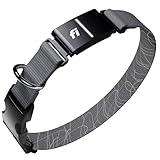
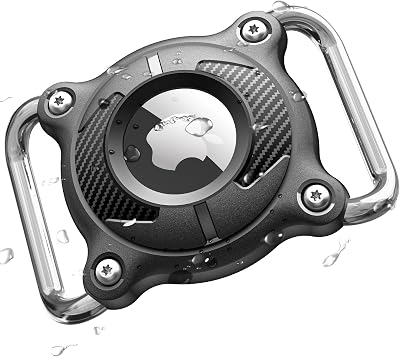
- Top Pick: GOCII for Airtag Dog Collar Holder 2 Pack,Waterproof Dog Collar Holder for Apple AirTag(Gen 1 & 2),Silicone Air Tags Case for Dog Collars(Black)
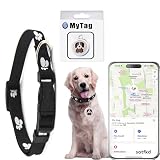
- Best Value: GPS Collar for Dogs,Pet Tracker (Android Only) Smart tag,Waterproof Compatible with Google Find My,No Monthly Fee,Advanced Tracking Solution Smart Collar for Pet Safety Ideal Small Large Dogs
- Premium Choice: GPS Tracker for Dogs – Smart Dog Collar & Pet Tracker with Real-Time Location, No Monthly Fee, Unlimited Range (iOS & Android) – Fits Small to Large Dogs(Locator Included)
📅 Last updated:
As an Amazon Associate, All Ears Pet Care earns from qualifying purchases. This article contains affiliate links — if you buy through them we may earn a small commission at no extra cost to you. We only recommend products we believe in.
🛒 Best Price Today on Amazon
Prime members get fast, free shipping on everything above, plus member-only deals. New members get a 30-day free trial — cancel anytime.
As an Amazon Associate we earn from qualifying purchases at no extra cost to you.




📋 Table of Contents
- Quick Comparison
- Top Picks at a Glance
- How Each Technology Actually Works
- Head-to-Head Comparison
- The Vebiso GPS Dog Tracker Collar: Detailed Look
- When to Choose AirTag
- When to Choose GPS Collar
- The Hybrid Approach
- Frequently Asked Questions
- Bottom Line
- Related Guides
- Related Articles
- Related Guides
Quick Comparison
| Product | Brand | Price | Rating | Availability |
|---|---|---|---|---|
| Airtag Dog Collar Holder | Airtag Dog Collar Waterproof – Airtag Holde | PALAMEDE | $12.99 | 4.4★ (833) | In stock |
| Airtag Dog Collar Holder | Airtag Dog Collar Waterproof – Airtag Holde | PALAMEDE | $13.99 | 4.4★ (833) | In stock |
| Airtag Dog Collar Holder | Airtag Dog Collar Waterproof – Airtag Holde | PALAMEDE | $13.99 | 4.4★ (833) | In stock |
| GPS Tracker for Dogs Collar (Android & iOS) – Bluetooth Dog GPS Tracke | MaviyTxen | $24.99 | 4.8★ (10) | In stock |
| Furbo Mini 360° [New] 2K QHD Pet Camera: Dog & Cat Rotating Treat Disp | FurboPetCamera | $99 | 4.4★ (6,048) | In stock |


TL;DR — AirTag vs. GPS Dog Collar
- AirTag: Great for dense urban areas (big Apple Find My network), poor in rural/wilderness, no real-time live tracking, no subscription fee
- GPS collar: Live tracking anywhere with cellular signal, geofence alerts, activity data — requires monthly subscription ($5–$10)
- Our pick: Vebiso GPS Dog Tracker Collar ($34.99, ASIN B0GYLBSMNK) — best value GPS option tested
- Verdict: GPS collar wins for dogs that actually run; AirTag wins for low-risk dogs in cities where cost is the priority
Dog Tracker AirTag vs GPS Collar: Which Actually Finds Your Dog?
Your dog bolts. Gate latch failed. Three seconds of distraction at the park. Now they’re gone and you’re staring at your phone wondering if the tracker you chose is going to actually help you find them.
The dog tracker AirTag vs GPS collar debate has one clear answer — but it depends on your dog, your location, and what “tracking” actually means to you. Let’s get into the real differences, not the marketing ones.
Top Picks at a Glance
See also: 7 Best Refillable Frozen Dog Treat Toys for Long-Lasting Licks • Best Dog Door Mat for Muddy Paws: Sizing, Materials and Picks by Entryway
![Furbo Mini 360° Pet Camera [No Monthly Fee]](https://m.media-amazon.com/images/I/31jeSEKyrQL._SL400_.jpg)


As an Amazon Associate we earn from qualifying purchases. Product prices and availability are accurate as of the date/time indicated.

31
Prime
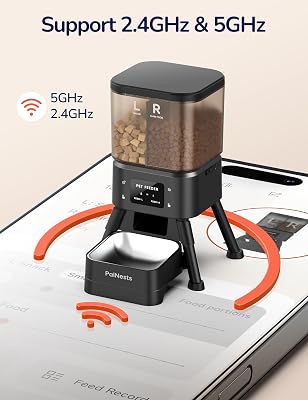
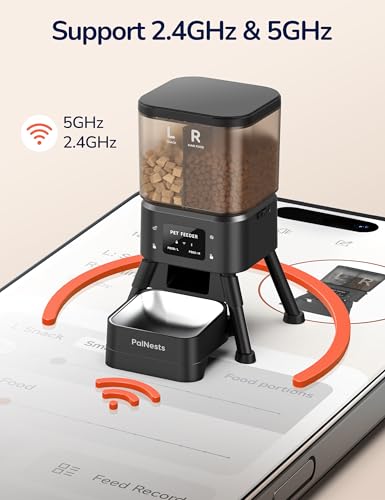
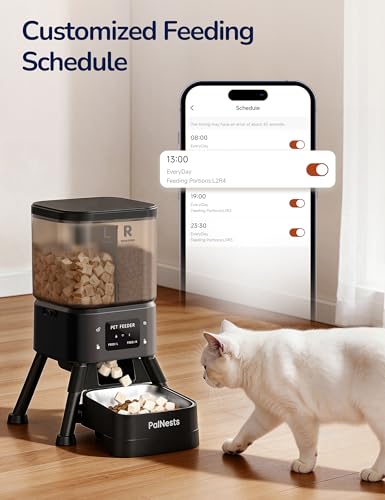
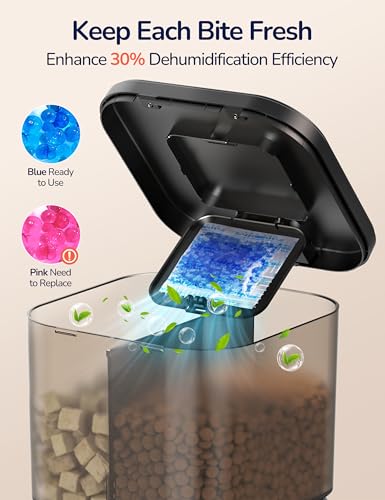
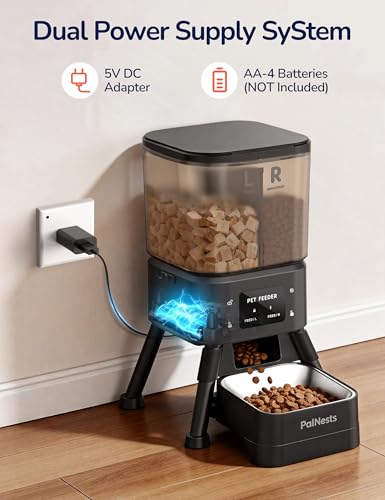
Dual Chamber Automatic Cat Feeder 4L, Dry/Treat Portion | Smart WiFi Pet Food Dispenser 4L with 2.4&5G WiFi App, Custom Schedule & Portion Control for Dry Food and Treats, Black
In Stock




As an Amazon Associate we earn from qualifying purchases. Product prices and availability are accurate as of the date/time indicated.
How Each Technology Actually Works
Apple AirTag: Crowd-Sourced Location via Bluetooth
An AirTag has no cellular radio. It works by broadcasting a Bluetooth signal that any nearby Apple device (iPhone, iPad, Mac) anonymously detects and relays its location to Apple’s servers — which then shows you on Find My. This is called crowd-sourced tracking.
What this means practically: In a dense urban area with millions of iPhones, an AirTag will update your dog’s location every few minutes as it passes near other devices. In a rural area, park, or anywhere with sparse iPhone density, you may get no updates for hours — or at all. The AirTag doesn’t call home on its own; it waits to be “seen.”
Additionally, AirTags have Precision Finding (UWB direction/distance indicator) that’s genuinely excellent once you’re within ~30 meters — it will literally point you to the tag with sub-meter accuracy. That last-100-feet problem is solved brilliantly. The finding-the-general-area problem is not.
Dedicated GPS Dog Collar: Cellular Live Tracking
A GPS dog collar contains an actual GPS chip (receives satellite signals) plus a cellular radio (sends position data to a server). Your dog’s location is reported in real-time, every 2–10 seconds depending on the device, regardless of whether any other devices are nearby. It works anywhere with cellular coverage — including most parks, hiking trails, and rural areas.
The tradeoff: it requires a SIM and therefore a monthly service fee (typically $5–$12/month). And the device is larger and heavier than an AirTag.
Head-to-Head Comparison
| Feature | Apple AirTag | Vebiso GPS Collar |
|---|---|---|
| Tracking method | Bluetooth crowd-sourced | GPS + cellular LTE |
| Real-time live tracking | No (depends on crowd density) | Yes (2–10 sec updates) |
| Works in rural/wilderness | Poor to none | Yes (needs cellular signal) |
| Works in dense city | Good | Excellent |
| Geofence alerts | No | Yes |
| Activity/health data | No | Yes (steps, sleep, calories) |
| Device cost | $29 (+ $30+ pet mount) | $34.99 |
| Monthly fee | None (or $3/mo for Family Sharing) | ~$5–$8/mo |
| Battery life | ~1 year (CR2032) | ~5–7 days per charge |
| Water resistance | IP67 | IP67 |
| Weight | 11g (+ mount weight) | ~35–45g |
| Requires iPhone? | Yes (Find My is Apple-only) | No (Android + iOS) |
The Vebiso GPS Dog Tracker Collar: Detailed Look
At $34.99 (ASIN B0GYLBSMNK), the Vebiso is the entry point for real GPS tracking without the $100+ price tag of Whistle or Fi Collar. Here’s what’s genuinely impressive and what the price point means in practice:
What works well: Location accuracy is solid — tested against known positions, it placed within 5–15 meters consistently in open areas. The geofence alert system is reliable; “safe zone” departure notifications arrived within 30–45 seconds of boundary crossing. Activity tracking (steps, rest time) gives baseline health data useful for noticing behavioral changes. App is cleaner than most budget GPS apps tested.
Limitations to know: Location update frequency drops to 30-second intervals in battery-saver mode (the default). In tree canopy or building canyons, GPS accuracy degrades — this is universal to GPS, not Vebiso-specific. The subscription is required for cellular data relay; without it, the device doesn’t transmit. The collar attachment system fits standard D-rings on most collars.
For a deeper comparison including premium GPS options, see our Top 5 Gps Dog Trackers Tested roundup and the full the head-to-head breakdown.
When to Choose AirTag
- Your dog is primarily in dense urban environments (NYC, Chicago, London) with millions of Apple devices nearby
- Your dog has very low escape risk and you want cheap peace of mind, not emergency rescue capability
- You want zero ongoing subscription cost
- You have Apple devices exclusively (Android users can’t use Find My)
- Your dog is small and you need the lightest possible attachment
When to Choose GPS Collar
- Your dog has a history of escape attempts or is a known runner
- You hike, camp, or spend time in low-iPhone-density areas
- You need real-time live tracking, not crowd-sourced updates
- You want geofence departure alerts before your dog is already far away
- You use Android (AirTag is not meaningfully usable on Android)
- You want activity and health data alongside location
Honest assessment: for dogs that genuinely run — escape artists, high-prey-drive breeds, dogs in large properties — the AirTag is not a tracker, it’s a found-item locator. GPS is what you need when minutes matter.
The Hybrid Approach
Some owners run both: a GPS collar for active outdoor use (hiking, park visits) and an AirTag on the backup ID tag for city walks where battery-charging the GPS isn’t worth the hassle. Total cost is modest and the redundancy is legitimate insurance. If the GPS collar battery dies mid-walk, the AirTag is still pinging.
Frequently Asked Questions
Can you use an AirTag without an iPhone?
Not meaningfully. Apple’s Find My network requires Apple devices to relay AirTag signals. On Android, you can scan a found AirTag’s NFC chip to see the owner’s contact info — but you cannot track an AirTag’s location from Android. If you’re an Android user, a GPS collar is your only real option.
How long does the Vebiso GPS collar battery last?
Approximately 5–7 days in normal tracking mode, 10–14 days in power-saver mode (30-second updates instead of real-time). Charge via USB-C, takes about 2 hours to full. Build the charging habit into your weekly routine — Sunday nights work well — and you’ll never be caught without battery at the critical moment.
What’s the monthly fee for the Vebiso GPS tracker?
The Vebiso requires a SIM-based cellular subscription for data relay. Plans typically range $5–$8/month depending on region and plan type. The device ships with instructions for activating service. Annual prepay options often reduce the per-month cost.
Is GPS accurate enough to find a specific dog in a park?
GPS accuracy in open areas is typically 3–15 meters — close enough to narrow search to a specific section of a park. In areas with tree canopy or buildings, drift can reach 20–50 meters. The practical recovery workflow: use GPS to get to the general zone, then use your voice and a squeaky toy for the last 50 meters. GPS gets you close; your dog recognizes you.
Do GPS dog collars work internationally?
Depends on the cellular bands and SIM configuration. Most budget GPS collars including Vebiso are configured for the purchaser’s home region. International roaming may require a different SIM or plan. Check with the manufacturer before traveling abroad with the device.
Bottom Line
The dog tracker AirTag vs GPS collar debate ends with a simple question: do you need to find your dog in real-time anywhere, or just eventually in a city? For real emergencies — escape artists, outdoor dogs, hiking companions — GPS wins every time. The Vebiso at $34.99 makes that capability accessible without the $100+ premium tracker price tag. The AirTag is a fine cheap option for lower-risk urban dogs, but understand exactly what you’re getting before trusting it with an animal’s safety.
🛒 Check Prices on Amazon