- Top Pick: Fajocru GPS Tracker for Dogs, 4G Waterproof Pet Tracker with Real-Time GPS Tracking, Virtual Fence & Location History, Subscription Required
- Best Value: Petloc8 Dog GPS Tracker for Dogs, 4G LTE Real Time Tracking & Geo-Fence Alert, Waterproof-Long-Life Battery Pet Tracking Device for Small Medium Large Dogs, Collar-Compatible(Subscription Required)
- Premium Choice: Fajocru GPS 4G Tracker & Health Monitoring for Dog with LED Light Up,Sounding, Waterproof GPS Location & Smart Pet Activity Tracker, Super Long Standby time, Unlimited Range use for Dogs Collar
📅 Last updated:
As an Amazon Associate, All Ears Pet Care earns from qualifying purchases. This article contains affiliate links — if you buy through them we may earn a small commission at no extra cost to you. We only recommend products we believe in.
🛒 Best Price Today on Amazon
Prime members get fast, free shipping on everything above, plus member-only deals. New members get a 30-day free trial — cancel anytime.
As an Amazon Associate we earn from qualifying purchases at no extra cost to you.






📋 Table of Contents
- Quick Comparison
- GPS Tracker Technology: What Actually Matters
- Our Top Waterproof Dog GPS Tracker Picks
- Dog GPS Tracker Specs Compared
- What to Look for in a Waterproof Dog GPS Tracker
- Frequently Asked Questions
- Related Guides for Dog Owners
- Final Verdict
- Related Guides
- Related Articles
- Related Guides
Quick Comparison
| Product | Brand | Price | Rating | Availability |
|---|---|---|---|---|
| Furbulous True Odor-Free Automatic Self-Cleaning Cat Litter Box, Extra | FURBULOUS | $379.99 | 4.1★ (84) | In stock |
| Automatic Cat Feeder, 4L Dual Hopper Smart WiFi Pet Food Dispenser wit | PalNests | $29.99 | 4.2★ (53) | In stock |
| GPS Tracker for Dogs Collar (Android & iOS) – Bluetooth Dog GPS Tracke | MaviyTxen | $24.99 | 4.8★ (10) | In stock |

TL;DR: A waterproof dog GPS tracker gives real-time location data via your smartphone — no guessing, no reactive search. This guide covers network technology, battery life, collar weight, subscription costs, and the best picks for active dogs in 2026.
Best Waterproof Dog GPS Tracker: Real-Time Tracking Picks for Active Dogs in 2026
A dog that slips a fence or bolts during a storm can cover miles in under an hour. Traditional ID tags and microchips require someone to find and scan your dog — passive systems that depend on luck. A waterproof dog GPS tracker inverts this entirely: you actively locate your dog in real time, whether it is in a neighboring yard, at a park, or crossing a highway.
The technology landscape has matured significantly. 4G LTE cellular trackers now deliver sub-30-second location updates with global coverage. Here is what separates a genuinely reliable tracker from one that fails when it matters most.
GPS Tracker Technology: What Actually Matters
See also: 7 Best Refillable Frozen Dog Treat Toys for Long-Lasting Licks • Best Dog Door Mat for Muddy Paws: Sizing, Materials and Picks by Entryway
Modern dog GPS trackers use one of three network types. Cellular (4G LTE) trackers use SIM cards for real-time tracking with the widest coverage area — essential for dogs in suburban or rural environments. Bluetooth trackers (like Tile or AirTag) have a 300-foot range and are useless for escaped dogs. Proprietary radio-frequency networks (Whistle, Fi, Tractive) offer variable coverage depending on network density in your region.
For waterproofing, look for IP67 or IP68 certification. IP67 means the device survives 30-minute submersion at 1 meter — adequate for rain, puddles, and shallow creek crossings. IP68 means it can withstand 1.5 meters or more for extended durations, making it suitable for swimming dogs.
Our Top Waterproof Dog GPS Tracker Picks

9
In Stock


As an Amazon Associate we earn from qualifying purchases. Product prices and availability are accurate as of the date/time indicated.

31
Prime
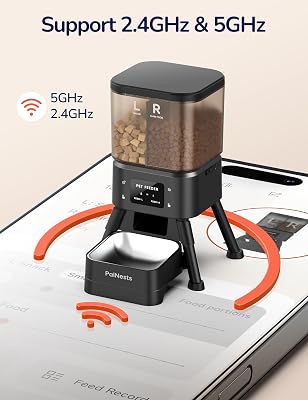
Dual Chamber Automatic Cat Feeder 4L, Dry/Treat Portion | Smart WiFi Pet Food Dispenser 4L with 2.4&5G WiFi App, Custom Schedule & Portion Control for Dry Food and Treats, Black
In Stock


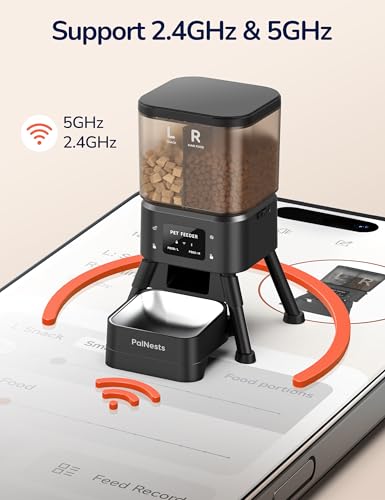

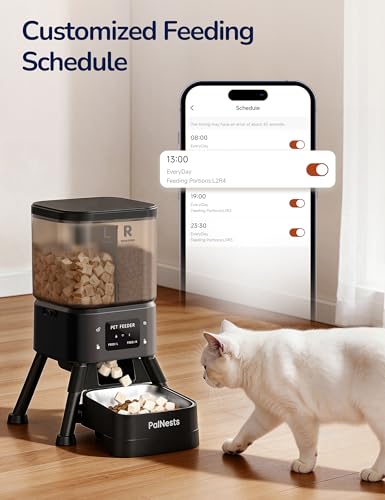
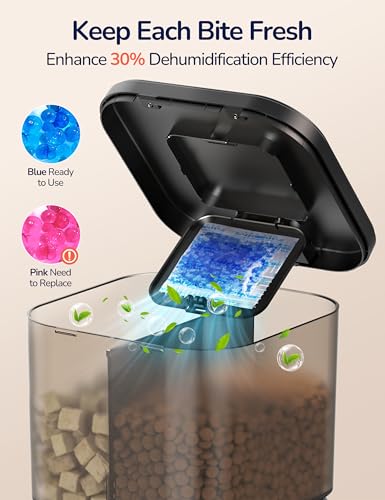
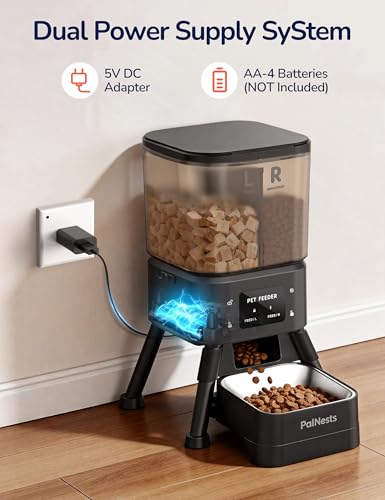

As an Amazon Associate we earn from qualifying purchases. Product prices and availability are accurate as of the date/time indicated.
Dog GPS Tracker Specs Compared
| Spec | Entry Level | Mid-Range | Premium |
|---|---|---|---|
| Network | BT / RF | 4G LTE cellular | 4G LTE + GPS + Wi-Fi |
| Update Interval | Every 2–5 min | Every 30–60 sec | Every 2–10 sec |
| Waterproof Rating | Splash-proof | IP67 | IP68 |
| Battery Life | 6–12 months (BT) | 3–7 days | 5–30 days |
| Device Weight | 8–15 g | 25–35 g | 30–50 g |
| Monthly Subscription | None / low | $8–$15 | $10–$20 |
| Geofence Alerts | Basic | Yes | Yes + activity |
What to Look for in a Waterproof Dog GPS Tracker
Network Coverage in Your Region
Before purchasing any GPS tracker with a subscription, verify cellular network coverage in your primary use area — including parks, trails, or vacation properties. Trackers using AT&T, T-Mobile, or Verizon LTE infrastructure will have different dead zones. Most manufacturers publish coverage maps. If you live in a rural area with patchy cellular coverage, a tracker using multiple carrier fallback is worth the premium over a single-carrier device.
Battery Life vs. Update Frequency Trade-Off
Real-time GPS tracking is battery-intensive. A tracker updating every 2 seconds will drain in 12–24 hours under continuous use. Most trackers use adaptive update modes: slow updates during routine wear, accelerating to real-time when the dog exits a geofence. This extends battery life significantly. Check the stated battery life under “live tracking mode” — not the standby or normal-wear spec, which can be 10x longer and is misleading for lost-dog scenarios.
Device Weight and Collar Compatibility
For dogs under 20 lbs, the device weight matters significantly. A 50-gram tracker on a small dog’s collar is approximately 1% of its body weight hanging from the neck — acceptable for brief wear but problematic for all-day use. Look for trackers under 30 grams for small breeds. Most GPS trackers attach via a collar loop; verify your collar width is compatible (usually 1 inch standard). Some trackers have proprietary collars included at higher cost.
Geofencing and Alert Sensitivity
Geofence alerts notify you the moment your dog exits a defined safe zone. The most useful implementations allow multiple zones (home, dog park, friend’s yard) with individual settings. Check the geofence radius minimum — some systems only allow zones of 500 feet or larger, which is too imprecise for small suburban yards. The best trackers offer 100-foot minimum zones and send push notifications within 10–30 seconds of the boundary crossing.
Subscription Costs: Total Cost of Ownership
GPS trackers with cellular connectivity require ongoing subscription fees. Calculate the 2-year total cost (device + 24 months of subscription) before comparing products. A $30 tracker with a $20/month subscription costs $510 over two years. A $150 tracker with an $8/month subscription costs $342 over the same period. Annual prepaid plans typically offer 15–25% savings over month-to-month pricing — worth taking if you commit to the product.
Frequently Asked Questions
What is the best GPS tracker for a dog that swims?
For swimming dogs — Labs, Goldens, Portuguese Water Dogs, and similar water breeds — IP68 certification is the minimum requirement. IP68 devices withstand 1.5 meters of submersion for 30 minutes. Additionally, check that the charging port seal and collar attachment points are rated for repeated water exposure; gasket degradation is the most common failure mode in waterproof devices over 12–18 months of use. Rinse the device with fresh water after saltwater swimming to extend seal life.
Does a GPS tracker work without cell service?
Cellular GPS trackers require cell signal to transmit location data. If your dog escapes into an area with no coverage, the device cannot update until signal is restored. Some trackers cache location data locally and transmit when coverage returns, giving you a trail of where the dog traveled. For areas with known dead zones, a radio-frequency tracker with dedicated handheld receiver (used by hunting dog owners) provides coverage where cellular fails, though these require more equipment.
How accurate are dog GPS trackers?
Modern cellular GPS trackers achieve 5–15 meter accuracy under open sky. Under tree canopy, in urban canyons, or near buildings, accuracy degrades to 20–50 meters. This is precise enough to locate a dog within a specific yard or block but not precise enough to pinpoint its location within a building. Wi-Fi assisted GPS (used by premium trackers) improves indoor and urban accuracy significantly by triangulating from nearby Wi-Fi networks.
Is a GPS tracker safe for my dog to wear all day?
Yes, with proper fit and maintenance. Ensure the collar and tracker combined sit two fingers loose around the dog’s neck — tight enough to prevent catching on branches, loose enough for comfort. Check under the tracker attachment point weekly for skin irritation, particularly on dogs with sensitive skin or thick coats where moisture can accumulate. Remove for bathing unless the device is IP68 rated and designed for extended wet wear. Most dogs habituate to tracker weight within 1–2 days.
Can I use a dog GPS tracker without a subscription?
Bluetooth-based trackers (Apple AirTag, Samsung SmartTag) require no subscription and leverage crowd-sourced Bluetooth networks to report location. These work well in densely populated urban areas where many devices are nearby. For rural or suburban environments with lower device density, or for lost-dog scenarios where immediate real-time location is critical, a subscription-based cellular tracker is substantially more reliable. The subscription cost reflects the genuine infrastructure required for real-time cellular data transmission.
Related Guides for Dog Owners
- Best Calming Dog Beds for Anxiety: Orthopedic Picks
- Best Orthopedic Memory Foam Dog Beds for Large Breeds
- Best Waterproof Dog Raincoats for Wet Weather Walks
- Best Dog Strollers for Large Breeds and Active Owners
- Pet First Aid Kit Essentials Every Dog Owner Needs
Final Verdict
A waterproof dog GPS tracker is one of the highest-stakes purchases you will make as a dog owner — not for everyday use, but for the one moment it could mean the difference between finding your dog and not. Prioritize IP67 or IP68 water resistance, 4G LTE cellular connectivity with real-time updates, geofence alerts with 100-foot minimum zones, and a device weight appropriate for your dog’s size. Calculate the 2-year total cost including subscription before deciding. The options above cover the market from budget-conscious entry-level to feature-complete premium tracking.