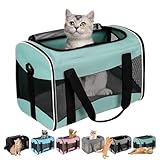
- Top Pick: Vceoa 17.5"x11"x11" Pet Carrier for Cats
- Best Value: Cat Dog Carriers Soft-Sided Pet Carrier Large Cats for Medium Big Cat Small Dog Puppy up to 16lbs TSA Airline Approved Animal Collapsible Cat Carrier Carriers Travel Carrier Cat Bag (17x11x11)
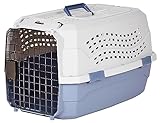
- Premium Choice: Amazon Basics Sturdy Portable 2-Door Top-Load Hard-Sided Pet Travel Carrier with Secure Ventilation, Handle, Front & Top Entry for Dogs, Cats, 22.8"L x 15"W x 13"H, Gray & Blue
📅 Last updated:
Choosing between a soft carrier and a hard carrier is less about which style looks better and more about how the carrier will live in your home. Will it stay in a closet until a vet appointment, ride under an airplane seat, or serve as a dependable crate during a move? Will children handle it, will a cat resist being loaded, and do you have room for a rigid shell?
The soft carrier vs hard carrier decision also involves long-term value. A soft-sided bag can be lighter and easier to store, while a hard kennel typically offers more protection, easier cleanup, and a steadier base. Neither style is best for every pet or household. The right choice depends on your animal’s size, temperament, travel plans, and the amount of space you can dedicate to storage.
As an Amazon Associate we earn from qualifying purchases at no extra cost to you.

📋 Table of Contents
Quick Verdict
Choose a soft carrier if you need a lightweight, collapsible option for short trips, apartment living, public transportation, or occasional airline travel. Soft carriers are usually more comfortable to carry and can fit into tight storage spaces. They are especially practical for calm cats and small dogs that do not chew, scratch, or push aggressively against the sides.
Choose a hard carrier if safety, stability, easy cleaning, or repeated use matters most. A rigid plastic kennel is usually the better choice for nervous pets, messy trips, car travel, kittens, puppies, and households where the carrier may need to double as a temporary safe space. It is bulkier, but the firm shell better resists impact and escape attempts.
Side by Side
See also: How to Remove Litter Box Odor Buildup (2026): Step-by-Step • How to Fix a Jammed Automatic Feeder (2026): Step-by-Step
| Factor | Soft Carrier | Hard Carrier |
|---|---|---|
| Comfort | Padded sides and a softer base can feel cozy; less stable when lifted. | Firm floor provides a stable platform; add a washable mat or blanket. |
| Durability | Good for gentle pets; fabric, mesh, and zippers can tear or fray. | Rigid plastic generally handles claws, bumps, and repeated loading better. |
| Price range | About $20–$80 for common small and medium models. | About $35–$100 or more, depending on size, doors, and construction. |
| Maintenance | Fabric may absorb accidents; removable liners help but can take longer to dry. | Plastic wipes clean quickly and is easier to disinfect. |
| Space needed | Often folds to a few inches thick when empty. | Usually keeps its full footprint, such as 19–23 inches long for small models. |
| Look | Resembles a travel bag and may blend into a closet or living area. | Looks more utilitarian, like a kennel or crate. |
| Resale | Can lose value quickly if fabric shows stains, odors, or zipper wear. | Often easier to resell if the shell, door, and ventilation remain intact. |
| Best for | Short errands, airline-style travel, public transit, and limited storage. | Car trips, vet visits, messy pets, frequent use, and escape-prone animals. |
Where Soft Carrier Wins
The biggest advantage of a soft carrier is portability. A model measuring approximately 17.5 by 11 by 11 inches can weigh substantially less than a comparably sized plastic kennel and is easier to carry through a lobby, parking lot, or train station. Many soft bags also have shoulder straps, luggage sleeves, and exterior pockets for vaccination records, treats, or a leash.
Storage is another clear win. When empty, a soft carrier can usually collapse and slide beneath a bed, into a closet, or onto a shelf. That matters in a small apartment where a rigid 19- to 23-inch carrier would otherwise occupy valuable floor space year-round. The fabric shape can also be easier to position beside your feet or beneath an approved airplane seat, although airline dimensions and pet policies vary and should always be confirmed before booking.
Soft-sided models can feel less intimidating to a calm cat or small dog. Mesh panels provide ventilation and visibility, while padded walls create a more enclosed environment than an open wire door. For occasional use, budget options are widely available. For example, the Vceoa 17.5" x 11" x 11" Pet Carrier for Cats is listed at $19.99, while a similarly sized Cat Dog Carriers soft-sided carrier for pets up to 16 pounds is listed at $19.98.
There are tradeoffs. A soft carrier is not a substitute for a crash-tested vehicle restraint, and it should not be used for a pet that can claw through mesh or force open a zipper. Fabric can also hold odors after an accident. Look for a rigid insert, a leak-resistant base, strong zipper pulls, and enough headroom for your pet to stand, turn around, and lie down naturally.
Where Hard Carrier Wins
A hard carrier offers structure that does not collapse around the pet. The level floor is easier for an animal to balance on, especially when the carrier is being carried over uneven ground or placed in a car. Rigid ventilation openings also tend to remain unobstructed, provided the carrier is not covered with a blanket or pushed tightly against luggage.
Cleanup is the strongest practical benefit. Plastic does not absorb liquid the way fabric can, so an accident can usually be removed with paper towels followed by a pet-safe cleaner. For puppies, kittens, anxious cats, or pets prone to motion sickness, that difference can save time and prevent lingering odors. A hard carrier can also be more reassuring for a pet that tries to escape through soft walls.
Rigid carriers are not automatically safer in every situation, but they are generally better suited to car trips and repeated handling. Look for secure door latches, ventilation on multiple sides, and a handle that does not flex excessively. Two-door designs can help with loading a reluctant cat because you can use either the front or top opening.
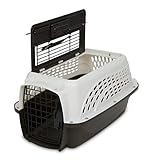
Prices remain reasonable for basic models. The Amazon Basics Sturdy Portable 2-Door Top-Load Hard-Sided Pet Travel Carrier measures 22.8 by 15 by 13 inches and is listed at $49.98. The Petmate Two Door Plastic Pet Kennel for Small Dogs and Cats, 19 inches, is listed at $42.95. These examples illustrate the typical price gap: hard carriers often cost more than entry-level soft bags, but their washable shells may remain useful for many years.
Cost Over 5 Years
Purchase price alone does not settle the soft carrier vs hard carrier comparison. At the low end, a $20 soft carrier used for five years costs about $4 per year. A $50 hard carrier costs about $10 per year over the same period. If either carrier lasts the full five years with no replacement, the difference is modest.
Replacement risk changes the calculation. A soft carrier that costs $20 but needs replacement every two years would cost approximately $60 over five years, before considering cleaning supplies or replacement pads. A $45 hard carrier that remains intact for five years would cost less overall. On the other hand, a soft carrier that is used only a few times and stores neatly may deliver better value because it avoids the need for a larger permanent storage area.
For either style, measure your pet rather than shopping by weight alone. The carrier should allow the animal to stand, turn around, and lie down. A carrier that is too small may need to be replaced even if the fabric or plastic remains in good condition.
Which One for Your Home
Small Apartment
A soft carrier is usually the most practical apartment choice. Its collapsible design reduces clutter, and a 17.5- to 17-inch-long model can fit in a closet or under a sofa more easily than a rigid kennel. Select one with a firm bottom so it does not sag while being carried. If your pet is destructive or frequently has accidents, the storage advantage may not outweigh the easy-cleaning benefit of hard plastic.
Family With Kids or Multiple Pets
A hard carrier is often better for a busy family. Children may accidentally bump or press against a soft bag, while other pets may paw at mesh panels. A rigid shell provides a clearer boundary and is easier to wipe down between animals. Keep the carrier in a quiet location and teach children that it is a pet’s protected space, not a toy or playhouse.
Rental Home
Either style can work, but a hard carrier offers an advantage if you are worried about carpet stains, scratched doors, or last-minute maintenance during a move. It can be cleaned quickly after a spill and is sturdy when carried through narrow hallways. Choose a soft model if storage is extremely limited and your pet is calm, clean, and unlikely to damage the fabric.
Long-Term Home
For a house with a dedicated utility area, mudroom, or storage closet, a hard carrier is often the better long-term investment. It can remain assembled and ready for vet visits, emergencies, or evacuation. A washable pad can make it more comfortable without compromising the plastic shell. A soft carrier still makes sense as a second option for air travel or outings where weight and compact storage are more important.
FAQ
Is a soft carrier or hard carrier better for cats?
For most cats, the best option depends on temperament and use. A soft carrier can feel more enclosed and is convenient for calm cats and airline-style travel. A hard carrier is preferable for cats that scratch, panic, have accidents, or need frequent vet visits. A top-loading hard carrier can also make it easier to place a reluctant cat inside.
Can a soft carrier be used in a car?
It can be used for short car trips if it is appropriately secured and the manufacturer permits that use, but do not assume a soft bag is crash-safe. Keep the carrier from sliding, never place it where an airbag can deploy directly against it, and follow your vehicle and carrier instructions. For frequent driving, a sturdy hard carrier may provide a more stable setup.
How long should a pet carrier last?
A well-maintained carrier can last five years or longer, but fabric, mesh, and zippers may wear sooner with frequent use. Plastic carriers can also become brittle, especially after prolonged sun exposure. Replace any carrier with broken latches, torn mesh, sharp cracks, unstable handles, or a door that no longer locks securely.
What size carrier should I buy?
Measure your pet from nose to the base of the tail and from the floor to the top of the head or ears. Choose a carrier that allows standing, turning, and lying down without forcing the animal to crouch. Weight limits are useful, but body length and height are equally important. Recheck the dimensions before buying, since a product labeled for small dogs or cats may still be too short for a long-bodied pet.
Ready to decide? Our #1 pick for 2026 is the Comfort.
Live price & availability on Amazon.