📅 Last updated:
Choosing between a washable and disposable litter box liner is less about finding a universally superior product and more about matching your cleaning habits, available space, budget, and cat’s behavior. A liner can make litter changes faster, but it can also become one more item to wash, store, or throw away. Some cats scratch through thin material, while others appreciate a smoother surface beneath the litter. The right decision depends on whether you value long-term savings and less waste or quick, low-effort cleanup.
Before buying, measure the box carefully. A typical jumbo liner may need to fit a box roughly 18 by 24 inches, while high-sided or extra-large boxes can require more than 30 inches of material in one direction. Also consider how many boxes you maintain, how often you completely replace litter, and whether your cat urinates near the edges. Those details matter more than a product label that simply says “heavy duty.”
As an Amazon Associate we earn from qualifying purchases at no extra cost to you.



📋 Table of Contents
Quick Verdict
Choose a washable litter box liner if you want to reduce ongoing waste, use the same litter box for years, and have access to a washing machine or convenient hand-washing area. It is usually the better value for a stable household with one or more cats that do not aggressively shred liners.
Choose a disposable litter box liner if convenience is your priority, you live in a rental, you are managing temporary housing, or your cat’s scratching routinely ruins reusable materials. Disposable liners typically cost less upfront and can turn a dirty litter change into a lift, tie, and trash job. The trade-off is recurring cost, storage of replacement packs, and more discarded plastic or coated material.
Side by Side
See also: How to Remove Litter Box Odor Buildup (2026): Step-by-Step • How to Fix a Jammed Automatic Feeder (2026): Step-by-Step
| Factor | Washable liner | Disposable liner |
|---|---|---|
| Comfort | Often softer and less crinkly; can feel stable under litter | May be smooth and comfortable, but thin styles can bunch or make noise |
| Durability | Can last for years with reinforced construction and careful washing | Usually lasts one litter cycle; heavy-duty versions resist tears better |
| Price range | About $15–$60 per liner or liner set | About $3–$20 per pack, depending on size and count |
| Maintenance | Must be emptied, rinsed, washed, dried, and stored | Remove, tie or fold, and discard; no laundry required |
| Space needed | Needs drying and storage space, often around 2–4 square feet while flat | Replacement packs take little room, but several packs may accumulate |
| Look | Can look tidy and coordinated when fitted correctly | Usually hidden under litter; visible edges may look utilitarian |
| Waste | Creates less recurring waste but uses water and detergent | Creates waste at every full litter change |
| Resale and rental appeal | Can help protect a box and floor from stains when maintained properly | Useful for short-term protection, but does not prevent every leak or odor issue |
| Best for | Long-term homes, regular routines, and cost-conscious multi-cat households | Renters, temporary setups, busy owners, and cats that destroy reusable liners |
Where Washable Wins
The strongest argument for a washable liner is repeat use. If a $30 liner lasts three years, its material cost averages less than $1 per month before laundry. A household changing litter weekly could otherwise go through roughly 52 disposable liners per year. Even inexpensive disposable options can add up quickly: a $3.49 pack of Fresh Step Drawstring Cat Litter Box Liners contains seven liners, putting the approximate cost at 50 cents per liner. At one liner per week, that is about $26 per year and approximately $130 over five years, before buying larger sizes or extra packs.
Washable liners can also provide a more secure base. Many are made from coated fabric, waterproof-backed material, or layered textile designed to stay in place. A properly fitted liner is less likely to slide when a cat digs, and a thicker surface may reduce the sharp, crinkly sound that makes some cats wary. For households with two or more litter boxes, reducing the number of disposable liners can be especially noticeable.
They are also useful beyond litter boxes. A waterproof liner or pad can protect the floor during a box transition, a kitten-training period, or an elderly cat’s occasional accident. For example, a 34-by-36-inch reusable incontinence bed pad priced at $21.84 can serve as a general protective layer under a litter station, although it is not necessarily shaped or sized as a dedicated litter box liner. Similarly, a washable 5-by-7-foot area rug such as the $29.99 FXRHLP option can protect a larger area around the box from tracked litter; it is floor protection, not a substitute for a fitted liner.
The main limitation is cleaning. You need somewhere to empty waste, rinse the liner, and let it dry completely. Washing a liner with food, hair, or litter residue can be unpleasant, and heavily soiled items may require a pre-rinse rather than going directly into a household washer. If your cat scratches intensely, even a durable reusable liner may eventually develop punctures.
Where Disposable Litter Box Liner Wins
Disposable liners are difficult to beat for speed. Once the litter is ready for a complete change, you can gather the liner, tie it, and replace it without carrying a wet, dirty item to the laundry area. That convenience is valuable for busy households, caregivers, college housing, and anyone temporarily using a litter box during a move or renovation.
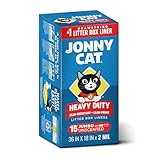
They are also easier to size for different boxes. If you replace a standard box with a jumbo model, you can buy a larger pack rather than trying to stretch a reusable liner beyond its intended dimensions. The Jonny Cat Heavy Duty Jumbo 15-count liners, listed at $11.48, are an example of a larger-count option for owners who want a supply on hand. A scented option such as Fresh Step’s 2.5-foot by 17-inch, seven-count pack is priced at $3.49, though fragrance can bother some cats and should be avoided if your cat shows sensitivity.
Disposable liners make the most sense when your cat does not tolerate a liner for long anyway. Some cats shred the material during digging, hook claws into the sides, or urinate in one concentrated area. In those cases, paying for a reusable product that needs frequent replacement defeats its purpose. A disposable liner also lets you discard a badly soiled or damaged layer immediately, which can be helpful during illness or a parasite-treatment period. Follow your veterinarian’s cleaning instructions when disease is a concern, since a liner alone is not a substitute for sanitation.
The drawbacks are ongoing expense and waste. Thin liners may tear during removal, allowing dirty litter to spill into the box. Drawstring closures can make removal easier, but they do not guarantee leak protection if the liner is punctured or does not cover the box’s upper edges.
Cost Over 5 Years
A simple five-year estimate helps clarify the decision. Assume one litter box, one complete liner change per week, and no major price increases. At 50 cents per disposable liner, the material cost is about $26 per year or $130 over five years. A 15-count pack priced at $11.48 works out to about 77 cents per liner; at that rate, the five-year total is approximately $200. A household using two boxes weekly could spend about $260 to $400 over five years, depending on liner price and size.
A washable liner costing $20–$40 may need one replacement during that period, putting the purchase total around $20–$80. Add an estimated $1–$3 per wash for detergent, water, and energy, depending on your local utility rates and whether the liner is washed separately. Washing twice monthly would add approximately $120–$360 over five years. In that example, washable is not automatically cheaper, but it can be—especially if you rinse efficiently, wash with other durable items, and the liner lasts several years.
Which One for Your Home
Small apartment
Disposable is often the practical choice if you lack a balcony, utility sink, or drying area. A clean liner can go straight into the trash, and replacement packs take little shelf space. If you choose washable, select a compact liner that can dry fully over a shower rod or on a small rack. Never store it damp, since trapped moisture can create odors.
Family with kids or pets
Washable can be a better fit when several people share cleaning responsibilities and the litter station needs a dependable floor barrier. Pair the liner with a washable mat to catch tracking. Keep all used liners, litter, detergents, and waste bags inaccessible to children and dogs. If frequent accidents make laundry unrealistic, disposable may save time despite its recurring cost.
Rental
Either option can protect the box, but disposable liners are convenient during a lease because they are easy to replace after damage or spills. A washable liner is worthwhile if it prevents urine from reaching the floor, but inspect the box regularly and clean beneath it. Neither type guarantees protection against leaks, particularly if the box is cracked or the liner has claw holes.
Long-term home
Start with washable if you expect to use the same litter station for several years. The upfront purchase is easier to justify, and you can keep a second liner as a backup while the first dries. For cats that scratch hard, consider using disposables during the adjustment period and switching to washable after you learn how they behave.
FAQ
Are washable litter box liners more hygienic?
Not automatically. Hygiene depends on how promptly the liner is emptied, how thoroughly it is cleaned, and whether it dries completely. A washable liner should be rinsed and laundered according to its care instructions. If it develops a persistent odor, mold, or hard-to-clean residue, replace it.
Can a cat use a litter box without a liner?
Yes. Many cats use a bare plastic box successfully, and skipping a liner eliminates the risk of scratching or chewing the material. The trade-off is that waste can adhere to the box, making complete cleaning more labor-intensive. A smooth, undamaged box and routine washing may be all you need.
What size disposable liner should I buy?
Measure the box’s length, width, and height, then compare those measurements with the liner’s stated dimensions. Allow enough material to rise over the sides without stretching it tightly. For a box near 18 by 24 inches, a jumbo liner is often more appropriate than a small standard size, but the manufacturer’s sizing chart should take priority.
How can I stop a liner from tearing?
Use enough litter to cover the bottom, avoid dragging a full box across the floor, and smooth the liner before adding litter. Keep claws trimmed when appropriate, and choose a heavy-duty material if your cat digs vigorously. If tearing continues, a bare box or washable fabric liner may be more reliable than repeatedly replacing thin disposable liners.
Ready to decide? Our #1 pick for 2026 is the Comfort.
Live price & availability on Amazon.