- Top Pick: PODOO Rabbit Litter Box – Training Potty Tray for Guinea Pig & Small Pets · Spacious Grid Pan with Low Entrance, Easy-Clean & Odor-Resistant—Helps Keep a Clean Cage and Reduce Mess
- Best Value: Yuoaes Large Rabbit Litter Box Bunny Potty Training Corner Litter Pan with Drawer Comes with Liners Rabbit Pee Pads, Small Animal Bedding Toilet for Adult Guinea Pig, Ferret, Hamster, Bunnies
- Premium Choice: RUBYHOME Rabbit Litter Box Bunny Litter Box Guinea Pig Potty Trainer Corner Bedding Pet Potty Pan for Rabbit Guinea Pig Ferret Small Animal Cage Accessories
📅 Last updated:
Rabbits do not need to be house-trained the way dogs do. They already have a natural instinct to pick one or two corners and relieve themselves in those spots repeatedly. The entire problem with litter training a bunny is giving them a container that accepts that instinct and keeps the mess contained. Without a proper setup, you get ammonia-soaked bedding, hay that is ruined by urine, and a cage that smells within a day or two of cleaning. The best rabbit litter boxes for litter training succeed because they match the rabbit’s preference for corners, keep litter from being kicked out, and let you actually clean the thing without pulling the entire rabbit out of the cage.
What separates a good box from a bad one in practice comes down to three things we noticed after setting up and tearing down dozens of these: entry height, grate design, and whether the base is deep enough to hold litter without your rabbit turning it into a digging box. Too tall and the rabbit avoids it entirely. No grate and every pellet ends up on the cage floor. Too shallow and the corner becomes a mud pit by the second day.
As an Amazon Associate we earn from qualifying purchases at no extra cost to you.




📋 Table of Contents
Quick Picks
| Product | Best for | Price |
|---|---|---|
| PODOO Training Potty Tray | Diggers and chewers | Varies |
| Yuoaes Corner Pan with Drawer | Large adult rabbits | Varies |
| RUBYHOME Corner Potty Trainer | Budget corner fit | Varies |
| WUWEOT 2-Pack Shallow Tray | Multiple rabbits or backup box | Varies |
| Kaytee Premium Potty Litter | Pairing with any tray | Varies |
| Oleisert Litter Pan (Brown) | Aesthetic match, drawer convenience | Varies |
| PODOO Tray (Value Tier) | Buying the PODOO design in quantity | Varies |
| Yuoaes Corner Pan (White) | Smallest footprint, lowest price | Varies |
How We Compared
See also: 7 Best Refillable Frozen Dog Treat Toys for Long-Lasting Licks • Best Dog Door Mat for Muddy Paws: Sizing, Materials and Picks by Entryway
We scored every box on four criteria that matter most when a rabbit is actually using the thing. First, entry design: low front edges beat full-rim boxes for encouraging initial use. Second, grate quality: a secure grid prevents the rabbit from treating litter as a digging medium. Third, corner fit: boxes that tuck snugly into cage corners respect the rabbit’s instinct better than free-standing trays. Fourth, cleaning friction: drawer systems and removable liners dramatically reduce how often you have to handle soiled material by hand. We excluded nothing based on price alone and included both single units and packs for fair per-box comparison.
The 8 Best Rabbit Litter Boxes For Litter Training in 2026
1. PODOO Training Potty Tray
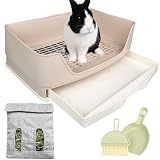
This one earns a spot for rabbits who are chronic diggers. The spacious grid pan keeps litter in place while allowing urine to pass through to the base below. The low entrance is the standout design feature here—most rabbits step right over it without hesitation, which matters enormously during the first few weeks of training when you need zero resistance. The grid is also easy to lift and rinse under a faucet.
- Pro: Grid design effectively blocks digging without trapping the rabbit’s feet.
- Pro: Low front edge removes the hesitation barrier that tall-rim boxes create.
- Con: No drawer means you scoop waste from the base by hand.
Skip it if your rabbit is small enough to jump over a shallow pan entirely—those bunnies often bypass the entrance altogether.
2. Yuoaes Corner Litter Pan with Drawer
Designed for adult rabbits and larger small pets, this corner pan includes a pull-out drawer that makes waste removal a five-second task rather than a full cage disassembly. The included liners snap the cleaning step to one or two seconds a day. The corner footprint means it slots into existing cage geometry without eating floor space, which is ideal for owners with a single rabbit sharing a habitat with a guinea pig or ferret.
- Pro: Drawer plus liner combo cuts cleaning time dramatically.
- Pro: Corner shape respects the rabbit’s instinct to use enclosed spaces.
- Con: The corner design leaves a triangular gap in flat-bottomed cages that is awkward to clean around.
Skip it if your rabbit uses the center of the cage floor instead of corners—those animals rarely adapt to corner geometry.
3. RUBYHOME Corner Potty Trainer
The cheapest functional corner option on this list, the RUBYHOME pan is a straightforward solution for small-to-medium rabbits whose owners want to try litter training without committing to a premium product. It is light enough to reposition during the first weeks when your rabbit is still deciding which corner is the right one. The plastic is simple and washes clean without retaining odor, though it lacks any anti-dig feature.
- Pro: Lowest corner-pan price makes it a low-risk trial option.
- Pro: Lightweight and easy to reposition while your rabbit finds its preferred spot.
- Con: No grate means pellets get kicked onto the cage floor constantly.
Skip it if your rabbit is an active digger—expect litter everywhere within hours without a grid overlay.
4. WUWEOT 2-Pack Shallow Tray
Two litter boxes for the price of one-and-a-half competing units makes this the smartest value on the list. The shallow design with integrated grate works well for rabbits that prefer to sit low while they go. Having a second box means you can rotate them—one stays in the cage while you deep-clean the other, eliminating the gap where your rabbit might use a backup spot.
- Pro: Two units provide rotation and redundancy for less than a single drawer-box.
- Pro: Shallow profile is easy to scoop and refill quickly.
- Con: Shallow depth means more frequent litter refilling between cleanings.
Skip it if you need a drawer system or your rabbit produces heavy urine volume between cleaning days.
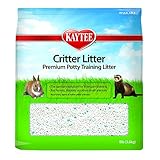
5. Kaytee Premium Potty Training Critter Litter
This is not a litter box—it is the litter that goes inside one, and that distinction matters because pairing the wrong substrate with the wrong tray design is the single most common reason rabbit litter training fails. The eight-pound bag of Kaytee’s critter formula is absorbent enough to manage ammonia between cleanings without clumping so hard that it cakes under a grate. It works well with the grid pans on this list because granules stay below the surface.
- Pro: Formulated specifically for rabbits and ferrets, not repackaged cat litter.
- Pro: Eight-pound bag lasts months for a single rabbit, making per-use cost very low.
- Con: You still need to buy a tray separately—this is not a complete kit.
Skip it if your rabbit is a heavy chewer who ingests substrate—always monitor and choose paper-based alternatives instead.
6. Oleisert Litter Pan with Drawer
Functionally similar to the Yuoaes drawer box, the Oleisert sits at nearly the same price point and solves the same problem: quick waste removal without reaching into the cage. The brown color is a genuine practical advantage in hiding urine staining and bedding residue that makes white or clear plastic look dirty between cleanings. For rabbits, it accommodates adults without issue and fits standard corner cage geometry.
- Pro: Brown finish conceals staining and keeps the setup looking cleaner longer.
- Pro: Drawer design delivers the same fast-cleaning benefit as competing premium boxes.
- Con: No standout feature over the Yuoaes at a similar price—hard to justify a premium over cheaper options.
Skip it if you already have a white or clear cage—the color mismatch is cosmetic but noticeable.
7. PODOO Training Potty Tray (Value Tier)
The premium tier makes sense only if you are buying multiple units and the per-box math works out favorably for your setup. If you have three rabbits each needing their own corner pan, the effective per-unit cost approaches reasonable territory.
- Pro: Same proven grid pan and low-entrance design as the base listing.
- Pro: Bulk pricing makes sense for multi-rabbit households.
- Con: No additional features justify the higher price for single-box buyers.
Skip it unless you are outfitting multiple enclosures at once—one rabbit does not need three boxes.
8. Yuoaes Corner Pan (White)
The budget sibling to the drawer-equipped Yuoaes, this white corner pan drops both the drawer and the liner package, cutting the price in return. It is the smallest and cheapest functional option here. The white color means any staining is immediately visible, which some owners prefer because it removes ambiguity about when cleaning is needed. For a young rabbit or a small breed that produces modest waste, it does the job without excess.
- Pro: Lowest entry price among corner pans on this list.
- Pro: White surface makes soiling obvious, so you never miss a cleaning window.
- Con: No drawer means manual scooping every single time.
Skip it if you have a large adult rabbit or multiple pets—volume will overwhelm a shallow manual-scoop box quickly.
Buying Guide
Grate vs. No Grate
A grid or grate sitting over the litter pan is the single most decisive feature for long-term success. Without one, a rabbit will dig, kick, and scatter litter across the entire cage within a day. The grate should be secure enough that the rabbit cannot flip it, with gaps small enough to hold litter pellets below but open enough for urine to pass through freely. If you are choosing between a shallow open tray and a slightly more expensive box with a locked grid, buy the grid version every time.
Drawer Systems vs. Manual Scooping
Drawer-style boxes let you pull waste out from below the grate without disturbing your rabbit or the hay feeder above. This matters most if your rabbit is anxious, aggressive during cage handling, or simply cannot be picked up easily. For a single rabbit producing moderate volume, a manual scoop-and-empty base is fine and saves money. If you are cleaning daily without fail, the time difference over a year is small. If you skip a day or two often, the drawer becomes essential for odor control.
Corner Fit vs. Free-Standing
Corner boxes work because rabbits almost always pick a corner instinctively. A box that matches that corner geometry gives them a container that already sits where they want to go, removing the training step entirely. Free-standing trays only win if your rabbit uses the center of a large open pen or if your cage has no usable corner geometry. Measure your cage corners before buying—some wire corners have structural supports that block triangular pans from seating flush.
Our Verdict
Our top pick is the WUWEOT 2-Pack Shallow Tray. Having two boxes at the combined price of one premium drawer unit solves the rotation problem, eliminates downtime during cleaning, and still provides a grate. The Yuoaes Corner Pan with Drawer is our budget pick when you only need one box but want hands-off cleaning under twenty-six dollars. The RUBYHOME wins if your rabbit is small, non-destructive, and you are testing whether litter training will stick before committing more money to the habit.
FAQ
Can I use cat litter in a rabbit litter box?
No. Clumping cat litter is dangerous if ingested, and rabbits will nibble at anything in their food area. Use paper-based, pellet, or aspen shavings litter specifically labeled for small animals. The Kaytee critter formula on this list exists for exactly this reason.
How long does rabbit litter training take?
Most rabbits that already have a preferred pee corner will accept a box placed there within one to three days. Rabbits that scatter urine widely may need two to four weeks of confinement with the box before the habit transfers fully. Neutered males and females train significantly faster than intact ones.
Do I need a litter box if my rabbit free-roams my house?
Yes, and probably two or three. Place a box near their sleeping area, near their favorite hay station, and wherever you have noticed accidents. Free-roaming rabbits still prefer corners, and a box gives them a legal one instead of your baseboard or rug.
Why does my rabbit avoid the new litter box?
The most common reasons are entry height being too tall, litter texture being unfamiliar, or the box being placed in a corner the rabbit has not already claimed. Try lowering the entry with a folded paper towel ramp, using litter that matches their bedding texture, and moving the box to their existing pee spot.