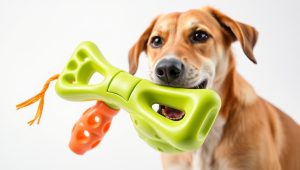
- Top Pick: Outward Hound Fun Feeder Slo Bowl – Medium 2‑Cup Capacity, Slow Feeding, Small to Medium Dogs & Cats, Non-Slip, Blue, Notch Pattern
- Best Value: Outward Hound Fun Feeder Slo Bowl – Large 4‑Cup Capacity, Slow Feeding, Medium to Large Dogs, Non‑Slip, Turquoise, Drop Pattern
- Premium Choice: MateeyLife 2-Pack Slow Feeder Dog Bowls, 2 Cups, Dog Puzzle Feeder Bowl
📅 Last updated:
Choosing a slow feeder bowl looks simple until you compare maze shapes, capacity claims, materials, and cleaning instructions. The most common mistake is buying the largest bowl available, then discovering that a small dog cannot comfortably reach the food. Another is treating “slow feeder” as a performance guarantee: a complicated pattern may frustrate one pet while barely slowing another. Buyers also overlook bowl stability, dishwasher compatibility, portion size, and whether the design works with wet food.
The right bowl should make meals last longer without forcing your pet to paw, chew, or strain for every bite. Use your pet’s daily portion, muzzle shape, eating style, and feeding location as the starting point. Prices below are typical 2026 shopping ranges and can vary by retailer, color, capacity, and multipack format.
As an Amazon Associate we earn from qualifying purchases at no extra cost to you.


📋 Table of Contents
Decide These 3 Things First
- How much food goes in one meal? Measure the largest serving your pet receives, not just the bowl’s advertised capacity. A bowl rated for 2 cups may be appropriate for a dog eating 1 to 1.5 cups per meal, but it can be cramped when filled to the rim.
- How does your pet eat? A broad, flat-faced dog may need widely spaced channels, while a narrow-nosed dog can manage deeper ridges. Cats and small dogs generally need shallow patterns and a smaller overall diameter.
- Where will feeding happen? For tile, hardwood, or polished concrete, prioritize a wide non-slip base. If the bowl will sit in a raised feeder, check its outer diameter and height before ordering. Outdoor use calls for materials that tolerate temperature swings and frequent washing.
Size and Capacity
See also: How to Remove Litter Box Odor Buildup (2026): Step-by-Step • How to Fix a Jammed Automatic Feeder (2026): Step-by-Step
Capacity is only useful when paired with dimensions. For most cats and toy or small-breed dogs, look for roughly 1 to 2 cups of total capacity, an outer diameter of 6 to 8 inches, and a height of about 1.5 to 2.5 inches. A 2-cup bowl, such as a typical medium slow feeder, is often a practical starting point for meals under 1.5 cups.
Medium dogs commonly suit 2- to 4-cup bowls measuring approximately 8 to 10 inches across. Large dogs may need 4 to 6 cups and a diameter of 10 to 12 inches. Do not fill any slow feeder to its maximum capacity automatically. Leave about 0.5 to 1 inch of space below the rim so kibble does not spill and wet food remains reachable.
Measure your pet’s muzzle as well. The channels should be reachable without pressing the nose against sharp corners. For flat-faced breeds, choose a shallow layout with openings at least 1.5 to 2 inches wide. Deep, tightly packed spirals can be unsuitable even when the capacity is correct.
Material: Plastic, Stainless Steel, or Silicone
Plastic is usually the lowest-cost option, commonly $8 to $18. It is lightweight, available in many puzzle shapes, and easy to replace. Choose food-contact-safe plastic with a smooth surface and no strong chemical odor. Plastic can scratch over time, and those scratches make thorough cleaning more difficult.
Stainless steel generally costs $15 to $35 for a slow-feeding design. It resists odor and staining and is a strong choice for pets that chew or drag bowls. Look for 18/8 or 304 stainless steel when the specification is provided. Steel bowls can be noisy on hard floors, so a silicone base or rubber ring is useful.
Silicone is flexible, quiet, and often dishwasher-friendly, with typical prices from $12 to $30. It works well for travel and can be rolled or folded, but very soft silicone may collapse when a pet pushes against it. A reinforced rim or rigid insert helps maintain the feeding shape.
Avoid assuming that “BPA-free” answers every material question. It addresses one chemical category, not durability, odor retention, or the quality of the bowl’s dyes and coatings. The best specification also states whether the bowl is intended for food use and whether it is dishwasher-safe.
Construction and Stability
A slow feeder should stay in place while your pet works around the pattern. Look for a full-width rubber or silicone ring rather than four tiny feet. For a small bowl, a base at least 0.5 inch wider than the food area can help reduce tipping. A larger dog may need a bowl weighing at least 1 to 2 pounds, or a design with a broad, grippy base, to resist sliding.
Check the underside for exposed seams, drainage holes, and gaps where food can collect. One-piece molded bowls are generally easier to clean than designs with a separate insert fitted into a frame. If the pattern is made from several pieces, confirm that each part can be removed without tools.
For raised feeders, measure both the bowl’s outside diameter and the opening diameter. A common 2-cup slow feeder may be 8 inches wide but require a feeder opening of at least 7.5 inches. A bowl that sits loosely can rattle or tip, while one that is too large may not fit at all.
Comfort and Feeding Performance
The pattern should slow gulping without creating a daily obstacle course. A few broad ridges or separated sections are usually a sensible first step for a pet new to slow feeding. More complex honeycomb, spiral, or maze patterns can provide greater challenge, but they may be frustrating for senior pets, puppies, cats, or animals with dental and mobility issues.
Examine the edges of every ridge. They should be rounded, not knife-like, and the channels should be wide enough for the pet’s muzzle. A useful general target is 0.75 to 1.25 inches of clearance between raised sections for small pets and 1 to 2 inches for medium and large dogs. These are starting points rather than universal rules; observe whether your pet can reach food without scraping the nose or gums.
For wet food, choose a pattern with shallow valleys and no narrow enclosed pockets. For dry kibble, deeper channels can work, provided the kibble size matches the openings. You can test compatibility at home by placing a few pieces in the deepest sections. If your pet cannot retrieve them with the tongue or a comfortable lick, the design is too demanding.
Price Tiers: What You Actually Get
Budget: $8 to $15. This tier includes many molded plastic bowls with 1.5- to 4-cup capacities. Basic Outward Hound-style bowls may sell for around $8.40 to $10.35, while a two-pack such as a 2-cup set may cost about $8.99. Expect simple non-slip features, limited color choices, and fewer replacement or warranty options.
Midrange: $16 to $35. These bowls more often use stainless steel, thicker silicone, removable inserts, or better grip systems. You may also get a more useful range of sizes and a dishwasher-safe construction. This is often the best value for households that need easy cleaning and daily durability.
Premium: $36 to $70 or more. Premium products may combine stainless steel with a heavy base, offer interchangeable difficulty levels, or be designed for specific feeding stations. Pay for a feature you will use, not for an elaborate maze alone. A premium bowl that is hard to wash is not necessarily a better buy than a simple $12 model.
Warranty and Replacement Support
Many inexpensive bowls carry no meaningful written warranty, which is reasonable when the purchase price is under $15. In the $20 to $40 range, look for at least a 30-day return window and clear coverage for manufacturing defects. Premium feeding systems may offer a one-year limited warranty, but read the exclusions: chewing, staining, normal scratching, and dishwasher damage are commonly excluded.
Replacement parts matter for bowls with removable mats, bases, or inserts. A replaceable rubber ring can extend the useful life of an otherwise sound bowl. Keep the receipt and product packaging until your pet has used the bowl for several meals.
Delivery and Assembly
Most slow feeder bowls arrive assembled, but check the listing for removable feet, inserts, or an attached mat. Assembly should require no tools and take less than five minutes. Avoid designs with small detachable parts if your pet chews or carries the bowl.
Before ordering, confirm the delivered dimensions, not just the package size. A bowl listed as 4 cups may occupy 10 by 10 inches of floor space. For delivery, inspect the bowl immediately for cracked plastic, warped silicone, sharp flashing, or a missing non-slip ring. Wash it before the first meal and allow silicone or rubber components to air out if they have a noticeable manufacturing smell.
Spec Checklist
| Spec | Budget | Mid | Premium |
|---|---|---|---|
| Typical price | $8–$15 | $16–$35 | $36–$70+ |
| Useful capacity | 1.5–4 cups | 2–5 cups | 2–6 cups or adjustable |
| Common materials | Plastic | Steel, silicone, reinforced plastic | Heavy steel, silicone, modular systems |
| Typical dimensions | 6–10 in. wide; 1.5–3 in. high | 7–11 in. wide; 2–4 in. high | 8–12 in. wide; 2–5 in. high |
| Base | Basic rubber feet or ring | Full non-slip ring or weighted base | Weighted, reinforced, or feeder-compatible base |
| Cleaning | Hand wash or top-rack dishwasher | Top-rack dishwasher commonly available | Removable parts and dishwasher-safe components |
| Warranty expectation | Return period only | 30-day return; limited defect coverage | 30-day return to one-year limited warranty |
Red Flags
- Capacity is listed without bowl dimensions or recommended pet size.
- The pattern has sharp edges, deep sealed pockets, or narrow openings your pet cannot comfortably reach.
- “Non-slip” describes only two small feet on a smooth, lightweight bowl.
- The material, food-contact suitability, and dishwasher instructions are not identified.
- A removable insert cannot be taken out for cleaning, or seams trap wet food.
- The product claims to prevent choking, vomiting, or weight gain. A bowl may encourage slower eating, but it cannot guarantee a medical or behavioral result.
- The product page shows multiple capacities but does not specify which size is included in the price.
FAQ
What size slow feeder bowl should I buy?
Choose a bowl with total capacity at least 25% greater than your pet’s largest meal. For many cats and small dogs, that means 1 to 2 cups. Medium dogs often need 2 to 4 cups, while large dogs may need 4 to 6 cups. Confirm the diameter and pattern depth before buying.
Are slow feeder bowls safe for puppies and cats?
They can be, provided the pattern is shallow, smooth, and easy to reach. Start with a simple design and supervise the first meals. Stop using it if your pet paws aggressively, coughs, breaks a tooth, or becomes visibly distressed.
Is stainless steel better than plastic?
Stainless steel generally resists odors, stains, and chewing better, but it can cost more and make noise on hard floors. Quality plastic is lighter and often less expensive. Either material can work when it has smooth surfaces, a stable base, and clear cleaning instructions.
How do I know whether the bowl is slowing eating too much?
Time a normal meal after your pet has adjusted. The goal is a calmer, longer meal, not a struggle. If eating takes more than about 20 to 30 minutes, food remains inaccessible, or your pet gives up, move to a simpler pattern or divide the meal into smaller portions.
Ready to decide? Our #1 pick for 2026 is the Typical price.
Live price & availability on Amazon.