📅 Last updated:
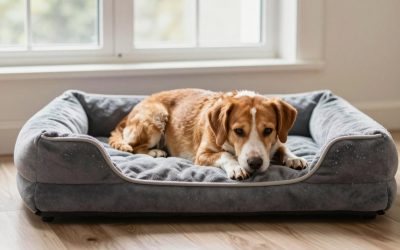
A heated pet bed can transform the day-to-day comfort of an aging dog with stiff joints, a short-haired cat seeking warmth, or any pet living in a drafty home. However, navigating the market reveals a wide range of options, from simple thermal mats to high-voltage electric loungers. It is easy to get distracted by plush fabrics and marketing claims, but choosing the wrong bed can result in poor heat distribution, safety hazards, or a product your pet simply refuses to use.
In 2026, modern pet warming technology offers safer and more energy-efficient choices than ever before, but making the right purchase still requires understanding key technical specifications. This decision guide cuts through generic marketing buzzwords to highlight what actually matters when selecting a heated pet bed, helping you choose a model that delivers reliable comfort, safety, and long-term durability for your animal companion.
As an Amazon Associate we earn from qualifying purchases at no extra cost to you.

📋 Table of Contents
- 1. Understanding Heating Mechanisms: Electric vs. Self-Warming
- 2. Non-Negotiable Safety Features to Check
- 3. Weight-Activated Heating and Internal Thermostats
- 4. Foam Core Density and Orthopedic Support
- 5. Water Resistance and Cover Cleanability
- 6. Outdoor vs. Indoor Ratings
- Related Guides
- FAQ
- Related Guides
1. Understanding Heating Mechanisms: Electric vs. Self-Warming
The first major decision is choosing between an electrically powered heated bed and a passive self-warming model. Electric pet beds use low-wattage heating elements to generate consistent, active heat. These models are ideal for senior pets, animals recovering from surgery, or homes in cold climates where ambient room temperatures drop significantly. They generally warm to a pet’s natural body temperature—around 102 degrees Fahrenheit—providing therapeutic relief for aching muscles and arthritic joints.
Passive self-warming beds, on the other hand, rely on internal thermal reflective layers wrapped in soft insulation. They capture and reflect your pet’s own radiant body heat back to them without requiring an electrical outlet. While self-warming options are safer for persistent chewers, highly portable, and cost nothing to run, they cannot generate heat independently. If your pet is older, motionless for long periods, or struggling to maintain body warmth, an electric thermostatic bed is vastly superior.
2. Non-Negotiable Safety Features to Check
See also: How to Set Up Timed Pet Feeder (2026): Step-by-Step • Water Fountain Buying Guide for Multiple Pets in 2026: What Actually Matters
When dealing with heated appliances intended for unattended animal use, safety features must take priority over aesthetic preferences. Always inspect the electrical specifications before making a purchase. High-quality electric beds operate on low-voltage direct current (typically 12V or 24V) via an external transformer, which drastically minimizes the risk of severe electrical shock if the cord is damaged.
Look for steel-capped or heavy-duty woven steel chew guards enclosing the power cord, especially at the point where the cord connects to the bed frame. Internally, the heating pad should feature dual internal thermostats that monitor temperature distribution to eliminate dangerous hot spots. Additionally, look for independent testing certifications such as MET or UL listing. Uncertified products sold online often lack crucial thermal limit switches, presenting a genuine burn or fire risk.
3. Weight-Activated Heating and Internal Thermostats
A common point of confusion for pet owners is that a proper electric pet bed does not feel hot to human touch when vacant. Quality beds utilize weight-activated pressure switches or internal dual thermostats designed to idle at a mild 10 to 15 degrees above room temperature when not in use. This conserves electricity and prevents the surface from overheating.
When a pet lies down on the bed, their weight compresses the cushion, trapping heat beneath their body and signaling the internal thermostat to raise the temperature to body level. When selecting a bed, review the minimum weight requirement specified by the manufacturer. If a bed is engineered for a large 70-pound dog, a 5-pound toy breed or kitten may not exert enough pressure to trigger the heating mechanism effectively.
4. Foam Core Density and Orthopedic Support
Heat alone is only half the equation when treating joint stiffness or mobility challenges; the underlying cushioning material plays an equally critical role. Cheap heated beds often rely on low-density polyfill stuffing that flattens within a few weeks of use. Once the padding degrades, your pet ends up resting directly against the firm heating element or the hard floor, creating uncomfortable pressure points.
For maximum relief, choose a bed that pairs its heating pad with high-density orthopedic memory foam or medical-grade egg-crate foam. The foam core should be at least two to three inches thick for small pets, and four to six inches thick for larger breeds. Dense foam supports aching hips and elbows, distributing body weight evenly while keeping the animal properly aligned above the heating insert.
5. Water Resistance and Cover Cleanability
Hygiene and moisture protection are essential considerations for any pet bed, but they become even more crucial when electrical components are involved. Aging pets with joint conditions are more prone to urinary incontinence, while young pets may drag muddy paws or wet fur onto their sleeping spot. A quality heated bed must feature a dual-layer defense system against liquids.
Ensure the internal heating element is completely sealed inside a water-resistant, wipeable vinyl envelope. On the outside, the bed should feature a heavy-duty, removable cover with a strong zipper that can withstand frequent machine washing. Fleece, faux suede, and heavy canvas covers are excellent choices, provided they can be laundered without shrinking or losing their soft texture.
6. Outdoor vs. Indoor Ratings
Never use an indoor heated pet bed in an outdoor setting like a garage, barn, porch, or outdoor cat shelter. Indoor beds feature soft fabric covers and flexible heating pads designed strictly for dry, climate-controlled environments. Exposing an indoor bed to ambient moisture, damp ground, or freezing outdoor weather can ruin the electronics and create a severe safety hazard.
If you are purchasing a warming bed for outdoor feral cats or dogs that sleep in unheated spaces, select a dedicated outdoor heated pad. Outdoor models are built with rigid, weather-resistant plastic shells, sealed power cords, and internal elements designed to function safely in sub-zero ambient conditions.
Related Guides
If you are ready to explore top-performing models that passed our safety and durability evaluations, read our guide to the best heated pet beds. For feline owners seeking options designed to reduce stress and anxiety while providing warmth, explore our review of the best calming cat beds.
FAQ
Are heated pet beds safe to leave plugged in all day?
Yes, safety-certified electric pet beds designed with internal thermostats are engineered for continuous 24/7 operation. They operate at low wattage and remain in an energy-saving idle state until your pet lies down on the surface. However, you should regularly inspect the cord and bed structure for any signs of physical damage.
Why does the heated bed feel cool when I touch it with my hand?
Most thermostatic pet beds are designed to rest at a mild temperature until compressed by your pet’s body weight. Once your pet lies down, their body traps the warmth, allowing the surface to reach a comfortable body temperature of around 102 degrees Fahrenheit. Touching the surface loosely with your hand does not compress the sensors or trap heat effectively.
Can I wash a heated pet bed in a standard washing machine?
You can wash the outer fabric cover, but the internal electrical pad and foam core must be removed first. Always unzip the exterior cover, take out the sealed heating insert and foam, and wash the fabric cover on a gentle cycle. Never submerge the electrical heating element or power cord in water.
Are heated beds safe for pets with incontinence issues?
Heated beds are safe for incontinent pets only if the internal heating element is fully sealed inside a water-resistant vinyl shell. You should look for removable, machine-washable outer covers and consider placing an extra waterproof pad beneath your pet to prevent liquids from reaching the electrical housing.