📅 Last updated:
A litter box should smell like almost nothing beyond a faint, temporary odor after use. When it smells strongly, the usual causes are urine trapped beneath the litter, a dirty plastic surface, an undersized box, poor ventilation, or litter that is not absorbing quickly enough. Covering the problem with heavy fragrance can make the room—and the box—less comfortable for cats.
Cleaning the wrong way can make odors worse. Scrubbing without removing the urine residue leaves behind the compounds that keep releasing smells. Mixing cleaners, especially bleach with ammonia-containing products, can also create dangerous fumes. The method below focuses on removing waste, washing the box safely, drying it completely, and setting up a routine that prevents buildup.
As an Amazon Associate we earn from qualifying purchases at no extra cost to you.


📋 Table of Contents
Quick answer: Our top pick in 2026 is the Disposable gloves — our #1 rated choice. See the full ranked comparison, alternatives and buying advice below.
What You Need
| Item | Why | Optional? |
|---|---|---|
| Disposable gloves | Protects your hands from waste, bacteria, and cleaning products. | No |
| Fine-mesh litter scoop | Removes urine clumps and feces without taking excessive clean litter. | No |
| Trash bag or sealable waste container | Contains odors after scooping; a 3- to 5-gallon bag is suitable for most daily waste. | No |
| Unscented dish soap | Cuts residue without leaving a strong perfume that may deter your cat. | No |
| Warm water and paper towels or washable cloths | For washing and wiping the box, lid, mat, and surrounding floor. | No |
| Enzyme-based pet-odor cleaner | Helps break down urine residue on hard surfaces, floors, and mats. | Yes |
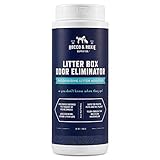
| Odor-control powder | A light layer can help control smells between full cleanings. Nature’s Miracle Cat Litter Box Odor Deodorizer Powder, 20 ounces, is one example and typically costs about $9.77. | Yes |
| Pet-safe odor eliminator | Useful for surrounding hard surfaces, carpet, and persistent odors when used according to its label. R86 Pet Odor Eliminator is a plant-based option listed at about $29.95. | Yes |
| Replacement litter | Use enough to create a 2- to 3-inch layer, unless the litter label gives different instructions. | No |
Step-by-Step
See also: How to Remove Litter Box Odor Buildup (2026): Step-by-Step • How to Fix a Jammed Automatic Feeder (2026): Step-by-Step
-
Improve airflow and prepare the area (5 minutes)
Open a window or run a bathroom exhaust fan if practical. Keep children and other pets away while you clean. Put on gloves, place a trash bag nearby, and gather the scoop, soap, cloths, and replacement litter before starting.
Do not place a litter box directly beside food or water bowls. If possible, position it in a ventilated, low-traffic area that your cat can reach easily. Airflow helps disperse odors, but avoid forcing air directly at the box with a loud fan.
-
Scoop all solid waste and urine clumps (5–10 minutes)
Lift feces and urine clumps from the litter, including pieces stuck to the sides or bottom. A fine-mesh scoop helps preserve usable litter. Tie the waste bag promptly or place it in a sealed container; leaving an open bag indoors allows odor to spread.
Scoop at least once daily. For multiple cats, small homes, or boxes that smell quickly, scoop twice daily. Do not simply stir clumps into the remaining litter, because that distributes urine residue throughout the box.
-
Empty the box completely (5 minutes)
For a deep clean, pour the remaining litter into a waste bag. If the litter is heavily damp, stuck to the bottom, or smells strongly after scooping, it needs to be replaced rather than topped off.
Check the box dimensions while it is empty. Most cats do best with a box at least 1.5 times their body length, measured from nose to the base of the tail. A box that is too small causes waste to land near the sides and increases residue.
-
Wash the box with mild soap (10 minutes)
Rinse the empty box with warm water, then scrub it with a small amount of unscented dish soap and a soft sponge or cloth. Pay special attention to corners, seams, the underside of the rim, and any textured areas where urine can collect.
Never combine bleach, ammonia, vinegar, or other cleaners. Cat urine can contain ammonia compounds, and bleach or other chemical combinations may produce irritating or hazardous fumes. Avoid abrasive pads that scratch plastic; scratches can hold odor and bacteria.
-
Treat lingering residue on nearby surfaces (5–15 minutes)
Wipe the floor beneath and around the box, the litter mat, and the lower wall if splashes have occurred. Use an enzyme-based pet-odor cleaner on compatible hard surfaces or carpet, following its label for contact time and ventilation.
For a product such as R86 Pet Odor Eliminator, check the label before applying it to carpet, fabric, the box itself, or areas your cat may lick. Do not saturate wood, laminate seams, or other moisture-sensitive surfaces. Keep your cat away until treated areas are dry.
-
Rinse and dry thoroughly (10–20 minutes)
Rinse away all soap. Dry the box with a clean towel, then let it air-dry completely. Moisture trapped beneath fresh litter creates clumps prematurely and can encourage more odor. If you use a removable lid, carbon filter, or flap, wash and dry those parts separately.
Replace any filter according to its instructions. A filter coated with dust or saturated with odor cannot work effectively.
-
Refill and add odor control sparingly (5 minutes)
Pour in fresh litter to a depth of about 2 to 3 inches. Too little litter allows urine to reach the bottom; too much makes digging difficult and may cause litter to scatter. If your cat prefers a particular litter, change gradually rather than switching abruptly.
If using a deodorizing powder, apply only the amount directed on the package and mix it lightly into the litter. A heavy layer of fragrance or powder can irritate sensitive cats or make them avoid the box. Products labeled for litter boxes are preferable to air fresheners, essential oils, or scented candles.
-
Inspect the setup and monitor odor (2–5 minutes)
Make sure the box is stable, the entrance is unobstructed, and the mat is flat. Observe whether your cat uses the cleaned box normally. If the cat begins urinating outside the box, hiding waste, straining, or visiting the box unusually often, treat that as a possible health or behavior concern rather than only an odor problem.
Mistakes to Avoid
- Using bleach or ammonia: These can create dangerous fumes when mixed with urine or other cleaners. Use mild soap and a pet-appropriate odor cleaner instead.
- Masking odors with fragrance: Air fresheners, essential oils, and heavily scented litter can bother cats. Strong fragrance does not remove urine residue.
- Waiting for a full box: Waste that sits for several days adheres to the plastic and becomes harder to remove.
- Using a scratched or porous box: Deep scratches retain residue. Replace the box if washing no longer removes the smell.
- Overfilling or underfilling: Keep litter near the recommended 2- to 3-inch depth unless your cat or product instructions call for something different.
- Cleaning while the cat is trapped nearby: Provide a second box or another safe location during a deep clean.
How Often
Scoop every day, and twice daily when possible for multiple cats. Top up litter as needed after scooping, but remove and replace all litter when it becomes damp, strongly scented, or difficult to scoop cleanly. Wash the box every one to four weeks, depending on the litter type, number of cats, and odor level. Wash mats weekly or whenever they show tracked waste.
A useful starting point is one box per cat plus one extra, placed in separate accessible locations. For example, two cats generally benefit from three boxes. More boxes reduce concentration of waste and give cats a clean alternative.
When to Call a Pro or Replace
Contact a veterinarian promptly if a cat strains to urinate, produces little or no urine, cries in the box, has blood in the urine, vomits, stops eating, or suddenly begins having accidents. Urinary blockage can be life-threatening, especially in male cats. A veterinarian can also investigate unusually strong urine odor, increased thirst, or a sudden change in litter habits.
Replace the litter box if it is cracked, deeply scratched, warped, or still smells after a thorough wash and complete drying. Most inexpensive plastic boxes cost roughly $10 to $40, while larger, stainless-steel, or specialty models may cost more. If urine has soaked into flooring, subflooring, drywall, or upholstery, a professional odor-remediation service may be needed.
FAQ
What removes the smell of cat urine from a litter box?
Empty the box, wash it with warm water and unscented dish soap, rinse, and dry it fully. For residue on surrounding floors or mats, use an enzyme-based pet-odor cleaner that is compatible with the surface. Deodorizing powder can help between cleanings, but it cannot replace washing the box.
Can I put baking soda in cat litter?
A small amount may help some households, but many cats dislike changes in texture or scent. If you use an odor-control product, choose one made for litter boxes and follow its label. Never add a large quantity or use powders that create excessive dust.
How do I stop a litter box from smelling in a small apartment?
Scoop at least once daily, use a sealed waste container, keep the box away from food, and clean the surrounding mat and floor regularly. A correctly sized open box in a ventilated location often controls odor better than a cramped covered box. Use a second box if space allows.
Why does my clean litter box still smell?
Urine may be trapped under the rim, in a lid hinge, on the mat, or on the floor beneath the box. The box may also be scratched, undersized, or kept too shallowly filled. Inspect every nearby surface, replace damaged plastic, and speak with a veterinarian if the odor or your cat’s bathroom habits changed suddenly.
Ready to decide? Our #1 pick for 2026 is the Disposable gloves.
Live price & availability on Amazon.