📅 Last updated:
Finding the right kitty litter box is a deceptively difficult purchase. The wrong one leads to scattered granules across your floor, lingering odor no matter how often you scoop, and a cat that avoids the box entirely. The right one disappears into the background of your routine. What separates the two is a combination of material quality, entry design, internal volume, and how well the shape matches your cat’s body size and habits.
This roundup compares eight litter boxes available in 2026, ranging from a five-dollar open pan to a connected automatic unit that handles cleanup on its own. We evaluated each product based on published specifications, build materials, and the pattern of feedback from owners who live with these boxes daily. The goal is to match each box to a realistic household scenario rather than crown a single universal winner.
As an Amazon Associate we earn from qualifying purchases at no extra cost to you.



📋 Table of Contents
Quick Picks
| Product | Best for | Price |
|---|---|---|
| Tevila XL Open Top Stainless Steel | Multi-cat homes wanting easy sanitation | Varies |
| Petmate Basic Open Plastic | First-time owners or temporary setups | Varies |
| Idymere Stainless Steel High Sided | Cats that dig aggressively | Varies |
| Cumrige Automatic Litter Box | Hands-off cleanup with app oversight | Varies |
| IRIS USA High Sided Cat Litter Box | Controlling scatter without enclosing | Varies |
| Stainless Steel High-Sided with Scoop | Budget-conscious buyers who want metal | Varies |
| Arm & Hammer Large Sifting | Owners who prefer sifting over scooping | Varies |
| Tevila XL Enclosed Stainless Steel | Strong odor containment in small rooms | Varies |
How We Compared
See also: 7 Best Refillable Frozen Dog Treat Toys for Long-Lasting Licks • Best Dog Door Mat for Muddy Paws: Sizing, Materials and Picks by Entryway
Four criteria guided this selection. First, material durability: stainless steel resists scratching and odor absorption far better than plastic, but plastic remains the low-cost entry point. Second, entry and sidewall design determines whether litter stays inside or ends up on your rug. Third, internal volume matters for larger cats and multi-cat households that need more usable floor space. Fourth, cleanup mechanics define the ongoing effort of ownership—scooping, sifting, or automated cycling all trade off differently against time and cost.
The 8 Best Kitty Litter Box in 2026
Tevila XL Open Top Stainless Steel Litter Box with High Sides
This box suits owners who want a durable, easy-to-clean surface without enclosing their cat in a hood. The XL footprint gives large or heavy cats room to turn and dig without feeling cramped, and the high sides catch most kicked-out granules during enthusiastic digging sessions. Stainless steel means no scratched grooves harboring bacteria, and the material does not retain odor the way plastic does over months of use. The light gray finish keeps it visually neutral in most rooms. One trade-off: the open-top design means you will notice odor faster than with a covered box, and some cats prefer the security of walls overhead. Skip this if your cat tends to pee upward or if you need maximum containment in a compact apartment.
Petmate Basic Open Plastic Cat Litter Pan
The Petmate is the obvious choice when you need a working box for under six dollars, whether for a kitten’s first litter training, a foster setup, or a second location in the house. Its small size makes it easy to tuck into a corner or bathroom nook. Owners appreciate that it requires zero commitment before trying a cat in a new environment. Two clear limitations: the shallow sides let litter escape with almost any vigorous dig, and the plastic develops micro-scratches over time that trap odor. Skip this if you have an adult cat that digs hard or if you plan long-term daily use rather than a short-term solution.
Idymere Stainless Steel High Sided Cat Litter Box
At under eighteen dollars, this is the most affordable stainless steel option in our list, making it ideal for owners who want to transition away from plastic without paying a premium. The high-sided walls do meaningful work containing scatter from cats that dig with full-body commitment. Stainless steel also wipes clean with a simple rinse, eliminating the scrubbing sessions plastic requires. The medium footprint works for most domestic cats but may feel tight for very large breeds. Skip this if your cat is over fifteen pounds or if you need a fully enclosed design for odor suppression in a shared living space.
Cumrige Automatic Litter Box with Safety Sensor and App Control
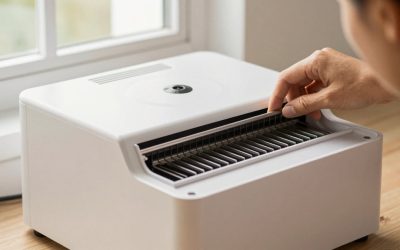
The Cumrige handles the chore entirely. The 95-liter internal capacity accommodates larger cats and supports multi-cat households without frequent manual intervention between cycles. The safety sensor stops the mechanism if a cat enters during operation, addressing a genuine concern with older automatic designs. App control lets you monitor usage frequency, which is useful for catching early signs of urinary or digestive issues through changes in visit patterns. The obvious downsides are the price and the noise—some cats never adapt to the sound of a cycling mechanism. Skip this if your cat is skittish around mechanical sounds or if your budget does not stretch beyond a basic enclosure.
IRIS USA High Sided Cat Litter Box, Large
The IRIS is a plastic box, but its scatter shield design elevates it above typical budget pans. The tall, curved front wall with an integrated lip catches granules before they hit the floor while still allowing easy entry for most cats. Owners of prolific diggers report significantly less mess compared to standard open pans. The black finish hides staining well over months of use. The limitation is that it is still plastic, so scratching and odor retention will eventually set in. Skip this if you already know your cat shreds plastic surfaces or if you prefer a metal box for long-term hygiene.
Stainless Steel High-Sided Cat Litter Box with Scoop, Medium
This medium box pairs a high-sided stainless steel body with an included scoop, making it a practical all-in-one for owners upgrading from a cheap plastic pan who want the sanitation benefits of metal without overpaying. The high walls contain scatter from the sides while the medium footprint fits comfortably in small apartments. The included scoop is a minor convenience that eliminates one purchase decision. The medium size is the main constraint—this is not the box for a Maine Coon or any cat that needs room to fully stretch. Skip this if your cat is on the larger end or if you want enclosed odor management.
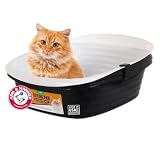
Arm & Hammer Large Sifting Cat Litter Box with Microban
The sifting design appeals to owners who dislike traditional scooping. The layered mechanism lets clean litter fall to the bottom while waste is caught in the upper tray, reducing the daily time at the box. The Microban antimicrobial treatment addresses odor and bacterial buildup on the plastic surfaces. The large internal volume accommodates bigger cats comfortably. One honest con: sifting boxes require more frequent full changes because the lower tray accumulates dust over days, and some cats find the shifting mechanism unsettling during the brief moment you separate the layers. Skip this if your cat is sensitive to changes in box routine or if you prefer automated solutions.
Tevila XL Enclosed Stainless Steel Litter Box with Lid
This is the strongest odor-containment option in our list. The enclosed hood keeps smells localized, making it suitable for studios, bathrooms without windows, or any space where a litter box shares air with living areas. The stainless steel interior resists the absorption and staining that plague enclosed plastic boxes over time. The XL size prevents the cramped feeling that discourages cats from using covered boxes. The lid adds height, which some cats refuse to navigate, and the fully enclosed design means you must actively manage ventilation to prevent ammonia buildup during heavy use. Skip this if your cat has previously rejected covered boxes or if your ventilation is poor.
Buying Guide
Material: Stainless Steel versus Plastic
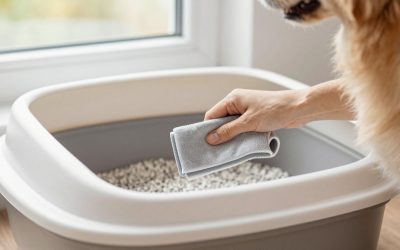
Stainless steel boxes resist scratching, do not absorb odor, and can be cleaned with hot water and a simple wipe. Over months of use, the difference in hygiene becomes visible: plastic develops a persistent smell even after scrubbing, while metal resets to neutral. Plastic wins only on price and weight. If you plan to keep the same box for more than a year, the metal upgrade pays for itself in reduced odor and easier maintenance.
Entry Design and Sidewall Height
Open-top boxes let cats see their surroundings and feel less trapped, which matters for timid or senior animals. High-sided open designs like the IRIS scatter shield reduce floor mess without sacrificing that openness. Enclosed boxes suppress odor but create a confined environment that some cats reject permanently. Match the entry style to your cat’s temperament, not your aesthetic preference.
Sizing and Capacity for Real Usage
Measure your cat from nose to tail tip and add several inches; the box interior should exceed that length so the cat can turn fully without hitting walls. Multi-cat households need either multiple smaller boxes or one XL unit with enough floor space that two cats are not sharing the same square at once. The Cumrige’s 95-liter capacity is the only figure here that directly addresses this concern.
Our Verdict
Our top pick is the Tevila XL Open Top Stainless Steel. It balances material quality, generous size, and scatter control at a price that undercuts many enclosed plastic alternatives. The Petmate Basic Open Plastic remains the clear budget pick for anyone needing a functional box under six dollars. If odor containment in a shared or small space is your priority, the Tevila XL Enclosed Stainless Steel with lid is the one that wins.
FAQ
How often should I replace a plastic litter box?
Plastic boxes accumulate micro-scratches that harbor bacteria and odor, making them difficult to fully clean after about a year of heavy use. Replacing them annually prevents the buildup that causes cats to reject the box and that makes your home smell regardless of how often you scoop.
Do cats prefer open or enclosed kitty litter boxes?
Preferences vary by individual cat. Many shy or anxious cats favor open boxes because they can monitor exits. Others prefer enclosed designs for the sense of security. If your cat stops using a new covered box, switch to an open high-sided design before assuming a medical issue.
Is a stainless steel box worth the extra cost?
For a single-cat household, the price gap between plastic and stainless steel narrows to under twenty dollars, and the metal version will outlast two or three plastic replacements while staying odor-free. For multi-cat households, the durability advantage compounds quickly given the heavier wear.
Can automatic litter boxes work with kittens?
Most automatic boxes are designed for cats above a minimum weight threshold to trigger the safety sensor correctly. Kittens under eight to ten weeks are generally too light for reliable sensor detection, and the mechanical noise can scare young cats from using a box altogether. Start kittens on a basic open pan and transition later.