📅 Last updated:
As an Amazon Associate we earn from qualifying purchases.
Buying a first drone usually means choosing between a cheap toy that breaks in a week and a camera drone that costs far more than a beginner needs. The Odyssey Toys X7 Microlite sits in the middle of that gap: a tiny quadcopter built for learning, with bright LED lights, three speed settings, and no camera to worry about. It will not shoot video or fly for half an hour, and that is the point. The question is whether its short flights and simple controls are enough to keep a new pilot interested, or whether the novelty wears off after a few batteries.
This review is for parents weighing a first drone for a teenager, adults who have never flown a quadcopter and want a low-stakes way to start, and anyone looking for a small indoor flyer that looks striking after dark. It draws on published reviews of the X7 and the specifications listed by the manufacturer and retailers, including its weight, size, battery, and flight time, rather than on guesswork about what the drone can do.
📋 Table of Contents
How to Choose
Size, weight, and where you can fly it
The X7 is a micro drone in the truest sense: published coverage puts it at just 2 ounces with the battery and just under 6 inches wide, which makes it small enough to fly in a living room yet visible enough to track across a garden. Its white plastic case with red detailing looks like most small drones when the power is off, and the colour only appears once the LEDs come on. That featherweight build has a practical consequence, because a drone this light stays well under the weight threshold that requires FAA registration, so there is no paperwork before the first flight. Small size also means the drone is pushed around by wind outdoors, so calm evenings and indoor spaces are where it behaves best. It can even take off from the palm of a hand, which suits a pilot learning in a small room. Before buying, think about where the flying will actually happen: a house with open rooms suits it far better than a windy, tree-filled yard.
Flight time and the battery routine
Short flight time is the single biggest adjustment for anyone new to micro drones. The X7 runs on a 500mAh battery, and published testing found flights of around 6 to 7 minutes, with the manufacturer listing 6 to 8 minutes, followed by roughly an hour of charging. That rhythm shapes how the drone gets used: a single battery gives one short session, so a second battery turns an evening of flying from a brief demo into something closer to a hobby. The box includes a charging cable, and the routine quickly becomes familiar: fly, land, plug in, and wait. Spare batteries and a charging routine matter more here than top speed. Anyone buying the X7 should plan for the gap between flights and treat the hour of charging as part of the experience, not an afterthought. A pilot who lands with a little charge left, rather than flying until the drone drops, will also get more life from each battery over time.
Controls, speed modes, and the learning curve
A beginner drone earns its keep through controls that forgive mistakes, and the X7 leans on three speed settings, labelled beginner, intermediate, and expert, to manage that learning curve. Starting slow lets a new pilot learn the sticks without the drone darting across the room, and the faster modes give the same aircraft room to grow once hovering and turning feel natural. The controller uses two sticks with a series of trim switches and a power switch between them, and the trim switches matter more than they first appear: they correct the small drifts that every light quadcopter shows, so a pilot who learns to trim the drone spends less time chasing it around the room. The 2.4 GHz transmitter reaches up to about 100 metres, which is far more range than a learner needs indoors and plenty for a garden. Precision matters more than range at this stage: sensitive sticks reward gentle inputs, so the first few sessions are really about building light fingers and patience.
Durability, spares, and what breaks first
Micro drones crash, and a first drone will crash more than most, so what matters is what survives and what can be replaced. The X7 ships with a spare set of rotor blades and a small screwdriver, which tells you where the wear is expected: blades take the hits, and the screwdriver is there because the case needs opening to reach them. Spare motors and blade sets are sold separately by Odyssey, so the parts most likely to fail are the parts you can buy again, and keeping a set of blades in the box means a hard landing costs minutes rather than the whole evening. The case and controller are a different story: if either breaks, the fix is a whole new drone. That trade-off is worth accepting at this size, but it argues for gentle flying indoors while the pilot is still learning, and for keeping the drone away from concrete and hard floors until hovering is second nature.
Which One Fits Your Situation
See also: Best Automatic Transmission Floor Shifter: Ratchet, Gated and Detent Shifters Compared • Best Automatic Floor Shifter for Truck: Tall, Tough Picks for Pickups and Bench Seats
A first drone for a teenager
The X7 fits a teenager who wants to fly rather than film. With no camera to configure and three speed modes to grow through, the learning curve is short, and the LED lights make it feel like more than a basic toy. The manufacturer lists the age guidance at 14 and up, which matches the small parts, the need to handle a lithium battery, and the patience the controls demand. Parents should expect to supervise the first flights and the charging, and to budget for a spare battery. The first week is the real test: a teenager who still reaches for the controller after the novelty fades has found a hobby, while one who does not has still had fun without a large outlay.
Flying indoors through winter
When cold or dark weather keeps everyone inside, the X7 comes into its own as an indoor flyer. Its small size suits a living room or hallway, the LEDs make it easy to follow in dim light, and the beginner speed keeps it away from walls and lamps while the pilot learns. Clear a space, move anything fragile, and treat each short flight as a practice session: hovering in place and gentle turns teach more than fast laps of the room ever will. Short sessions also suit the battery, since a single charge covers a focused round of practice and the hour of charging that follows is a natural break.
Learning flips and basic stunts
Once hovering feels steady, the X7 offers 360-degree flips and three speeds, which gives a new pilot a simple stunt to aim for without needing a racing drone. Flips work best with a charged battery and plenty of height, so a garden on a calm day or a room with a high ceiling is the right setting. Expect failed attempts and a few hard landings: that is exactly what the spare blades are for, and a pilot who can flip, recover, and land smoothly has learned the core skills every larger drone demands. Practise one flip at a time rather than chaining stunts together, and land between attempts to check the blades before the next try.
A fun gift for evening flying
As a gift, the X7 stands out after dark, and that is where its fibre-optic LED lights earn their place. Red and green lights mark the front and back of the drone, so the pilot can tell which way it is facing even in low light, and the glow turns an ordinary evening flight into something worth watching. It suits a recipient who likes gadgets and the outdoors, and it works best when the giver also includes a spare battery, so the first session lasts longer than a single charge. A note about the short flight time inside the gift box sets expectations honestly and stops the first flight from ending in disappointment.
Common Mistakes
- Flying the X7 outdoors on a windy day, when a 2-ounce drone cannot hold its position and can drift into trees, across a road, or out of range before the pilot reacts.
- Buying it for a young child, when the age guidance is 14 and up and the small parts, the lithium battery, and the charging routine all need older hands.
- Expecting a camera or video, when the X7 has no camera at all and is built purely for flying, so anyone wanting aerial photos will be disappointed on arrival.
- Running the battery until the drone drops from the sky, instead of landing when the power starts to fade and the controls go soft.
- Losing the spare blades or the small screwdriver, then having no way to repair the part most likely to break in a crash, which ends the flying until replacements arrive.
Top Picks for Other Beginner-Friendly Mini Drones
If a tiny indoor drone appeals to you, these alternatives cover pocket-size flyers and guarded designs, all aimed at newcomers who want gentle controls and low stakes while they practice.
Holy Stone HS190 Foldable Mini Nano RC Drone
A pocket-size foldable quadcopter with altitude hold, which keeps it steady while you learn the sticks. The compact body fits in a bag for travel, and flips are listed for when you gain confidence.

Holy Stone HS190 Foldable Mini Nano RC Drone for Kids Gift Portable Pocket Quadcopter with Altitude Hold 3D Flips and Headless Mode Easy to Fly for Beginners
Included for 'Odyssey Toys X7 Microlite Drone Review (November 2026)' as a representative home product in this roundup; selection reflects the product set returned for this topic.
View on AmazonSky Viper Dash Nano Performance RC Drone
A nano-class flyer with a rechargeable battery, built for quick indoor sessions. Its small size makes living-room crashes less worrying, and it suits kids who like a fast, light toy.
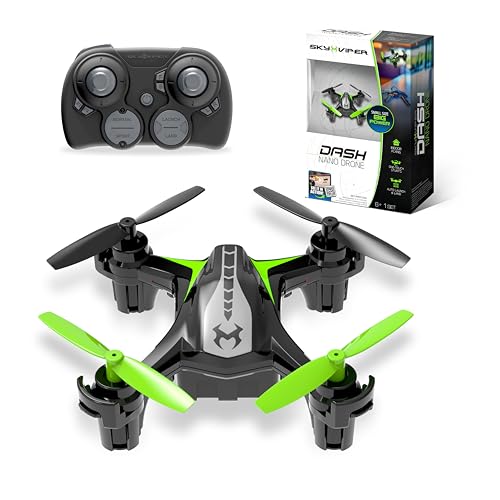
Sky Viper Dash Nano Performance RC Drone, Fast Safe Indoor Flying, Rechargeable Battery
Included for 'Odyssey Toys X7 Microlite Drone Review (November 2026)' as a representative home product in this roundup; selection reflects the product set returned for this topic.
View on AmazonHoly Stone Mini Drone for Kids and Beginners with Auto Hover
Auto hover and simple flips make this a friendly first step. It suits younger flyers who are still building thumb coordination and do not want to fight the controls.

Holy Stone Mini Drone for Kids and Beginners RC Nano Quadcopter Indoor Small Helicopter Plane with Auto Hovering, 3D Flips, Headless Mode and 3 Batteries, Great Gift Toy for Boys and Girls, HS210 Blue
Included for 'Odyssey Toys X7 Microlite Drone Review (November 2026)' as a representative home product in this roundup; selection reflects the product set returned for this topic.
View on AmazonVeeniix V995 Mini RC Drone with Auto Hover and 3 Batteries
Three batteries are included, which helps when flight times are short. Headless mode is also listed, so orientation matters less for new pilots who lose track of the nose.
SYMA X100 Indoor Drone with Obstacle Avoidance and Full Guard
A fully guarded body shields the props from walls and furniture. It is a sensible pick for kids and for anyone nervous about breaking things while they practice around the house.

SYMA X100 Indoor Drone for Kids 8-12, Obstacle Avoidance, Full Guard | 20-Min Flight with 2 Batteries, One-key 360° Flips, Altitude Hold and Full Propeller Guard for Safe Indoor Flying
Included for 'Odyssey Toys X7 Microlite Drone Review (November 2026)' as a representative home product in this roundup; selection reflects the product set returned for this topic.
View on AmazonFrequently Asked Questions
Does the Odyssey Toys X7 Microlite have a camera?
No, the X7 has no camera. It is a flying toy built around its LED lights, three speed modes, and stunt ability, not a photography drone. The absence of a camera keeps the drone light and simple, and it keeps the focus on learning to fly. Anyone who wants aerial photos or video should look at a larger drone with a mounted camera instead, because no accessory adds one to this model.
How long does the X7 fly on one charge?
Published testing found around 6 to 7 minutes of flight from the 500mAh battery, and the manufacturer lists 6 to 8 minutes, with charging taking about 60 minutes. A spare battery is the simplest way to stretch a flying session, since a single battery gives only one short flight before an hour-long wait. Flights also shorten slightly as the battery ages, so a pilot who plans around six minutes rather than eight is rarely caught out.
Does the X7 need FAA registration?
No registration is needed for a drone this light. Published coverage notes that the X7 weighs just 2 ounces with the battery, which sits far below the weight threshold that requires registration. Local rules on where to fly still apply, so check them before flying in parks or near other people, and keep the drone away from roads and crowds even when the law does not require paperwork.
What age is the X7 Microlite suitable for?
The manufacturer lists the X7 for ages 14 and up. That guidance reflects the small parts, the lithium battery, and the coordination the controls demand. Younger children may still enjoy watching it fly, but they should not be the ones holding the transmitter or handling the battery and charging. For a younger child who wants to fly, a simpler drone designed for that age group is a better fit.