📅 Last updated:
As an Amazon Associate we earn from qualifying purchases.
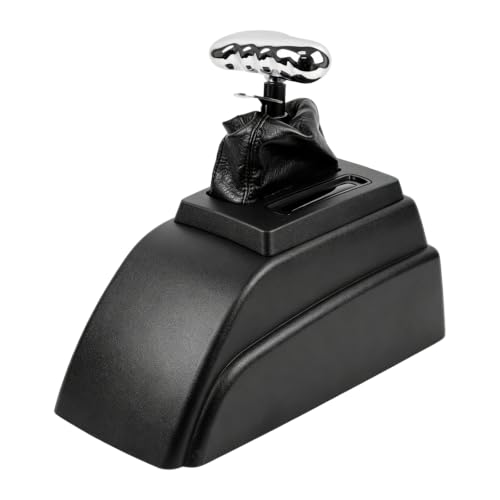
Finding the best automatic floor shifter for truck builds is a different job from picking a shifter for a car. Trucks sit higher, many still have bench seats, the transmission tunnel is wider, and the distance from the floor to the transmission is longer. A shifter that feels perfect in a low-slung coupe can feel short, awkward, or even unsafe in a pickup. This guide explains what makes a truck floor shifter different, how to match one to your transmission, and which styles suit common pickup builds, from a classic Chevy C10 to a work truck with a modern overdrive automatic.
📋 Table of Contents
Why Trucks Need a Different Floor Shifter
Most factory pickups left the line with a column shifter. Moving the selector to the floor changes the driving experience, frees up space, and gives a more direct connection to the transmission. But the swap is not as simple as bolting in any universal unit.
First, height matters. A truck cab sits high, and a bench seat puts the driver farther from the floor than a bucket seat in a car. Shifter makers recognised this long ago: the classic B&M Megashifter, for example, comes in a standard version and a light truck version that stands about two inches taller, specifically so the handle falls naturally to hand in a pickup or bench-seat vehicle. If the lever is too short, you will be reaching down and forward for every shift, which gets tiring and sloppy.
Second, the floor itself is different. Truck floors are flatter and wider, and the transmission tunnel may be shallow or offset. A good truck shifter includes a base or console that can be trimmed to match the floor contour, plus brackets that let you mount it above or below the floor line. Measure the tunnel width and the distance from the floor to the top of the transmission before ordering anything.
Third, trucks work harder. Towing, hauling, and off-road use mean the shifter gets cycled more often and sometimes with gloves on. A positive ratchet action, a firm detent, and a clear gear indicator are worth more in a truck than in a weekend car. The mechanism should make it impossible to accidentally slip from drive into reverse or neutral, even on a rough road.
How to Choose a Floor Shifter for Your Truck
See also: Best Automatic Transmission Floor Shifter: Ratchet, Gated and Detent Shifters Compared • 4 Best Automatic Gate Openers for Farms (November 2026)
Match the Transmission First
This is the step that causes the most returns. Automatic floor shifters are built for specific transmission families, and the shift lever geometry differs between them. Before shopping, identify your transmission exactly: GM TH350, TH400, 700R4, 4L60E, or 4L80E; Ford C4, C6, AOD, AODE, 4R70W, E4OD, or 4R100; or Chrysler Torqueflite A727, A904, A500, or A518. The transmission code is usually stamped on the case or listed on the build plate.
Many shifters cover several transmissions in one family with the included brackets and levers, but some combinations need an extra installation kit. Ford AOD and E4OD/4R100 units, and GM 4L60E through 4L85E units with a PRNDL switch, are common examples where a separate bracket kit is required. Check the application chart for your exact transmission rather than assuming a universal label means every automatic is covered.
Pick the Right Height and Lever Style
For a bench-seat truck, a taller shifter is usually the better choice. The handle should sit within easy reach without leaning forward. Lever lengths on floor-mount shifters commonly range from about six inches to more than twenty inches above the mount, and many kits offer several lever options. A mushroom knob or T-handle both work well in trucks; the T-handle gives a firm grip for ratchet shifting, while a mushroom knob suits a more classic look and is easy to grab with work gloves.
If your truck has bucket seats and a centre console, a shorter shifter may fit better and look cleaner. In that case, measure the console opening and confirm the shifter base will sit flat without cutting structural parts of the console.
Ratchet, Detent, or Gated
Three mechanisms dominate the market, and each suits a different kind of truck use.
A ratchet shifter moves one gear per pull or push, so you cannot over-shift and skip a gear. This is the favourite for performance trucks and for anyone who manually shifts an automatic through the gears. It also includes a reverse lockout that meets common racing safety rules.
A detent shifter follows the transmission’s factory gate pattern in a straight line, much like a stock selector. It is simple, familiar, and a good choice for a daily driver or work truck where you mostly leave it in drive.
A gated shifter uses a shaped internal gate that guides the lever and blocks accidental over-shifts with fewer moving parts. It feels precise and mechanical, and it is popular for clean column-to-floor conversions.
Some shifters combine detent and ratchet action in one unit, switching modes with a trigger lift. That flexibility is handy if one truck does double duty as a daily driver and a weekend toy.
Cable Length and Routing
Most modern floor shifters are cable operated, which makes installation easier because the cable can follow the floor and tunnel to the transmission. A five-foot cable is standard in many kits, and longer cables are available for long-bed trucks, crew cabs, and chassis where the transmission sits farther back. Plan the route before you buy: the cable should run in smooth curves without sharp bends, away from exhaust pipes and moving suspension parts. If the standard cable is too short for your wheelbase, order the longer cable with the shifter rather than trying to stretch the installation.
Safety Features to Insist On
A floor shifter in a truck should always include a neutral safety switch, so the engine only starts in park or neutral, and a backup light switch, so the reverse lights work. A reverse lockout is equally important: it should take a deliberate action, such as lifting a trigger or pulling the lever sideways, to move into reverse. These features are standard on reputable shifters and should be treated as non-negotiable, especially in a truck that other family members may drive.
Floor Fit and Console
Look for a shifter with a trim-to-fit base or console. Truck floors vary widely between makes and years, and a base you can trim to the tunnel shape gives a far cleaner result than a flat plate sitting on a curved floor. If you want a finished factory look, check whether the maker offers a matching boot and indicator plate for your cab. The gear indicator should be visible from the driving position in daylight, and a lighted indicator is a useful bonus for night driving.
Types of Truck Floor Shifters Compared
| Shifter type | Best for | Shift feel | Key strength |
|---|---|---|---|
| Ratchet | Performance trucks, manual shifting | One gear per pull, very positive | Cannot over-shift |
| Detent | Daily drivers, work trucks | Smooth, straight-line, familiar | Simple and reliable |
| Gated | Clean conversions, classic builds | Mechanical, guided gate | Few moving parts |
| Dual-mode detent/ratchet | Trucks that do double duty | Switchable with a trigger | Flexible for street and track |
| Tall bench-seat | Bench-seat pickups, lifted trucks | Same mechanisms, higher reach | Handle falls naturally to hand |
No single type wins for every truck. A ratchet shifter is the best choice if you shift manually through the gears; a detent shifter is the best choice if the truck is a daily driver that mostly stays in drive; and a gated shifter is a strong pick for a classic restoration where simplicity and a clean look matter.
Installation Basics for a Truck
A floor shifter swap is a manageable weekend job for a home mechanic with basic tools, but a few truck-specific points deserve attention. Disconnect the battery first, and support the truck securely if you need to work underneath it. Remove the column linkage and the old selector, then position the new shifter on the tunnel and mark the mounting holes. Many installers find it easier to set the shifter in place, sit in the driving seat, and check the reach before drilling anything.
Route the cable with gentle curves and secure it with the supplied brackets so it cannot rub on the exhaust or the driveshaft. Connect the transmission lever, then adjust the cable so each detent on the shifter lines up exactly with the matching gear in the transmission. This adjustment is the heart of the job: a cable that is one notch off will make the indicator lie and can leave the transmission between gears.
Wire the neutral safety switch and backup light switch into the factory circuits, and test them before driving. The engine should crank only in park and neutral, and the reverse lights should come on only in reverse. Finally, check that the shifter cannot be pulled into reverse without the lockout action, and that park holds the truck on a slope.
If your truck has an electronic transmission with a PRNDL switch, or a transmission that needs a special bracket kit, budget for that kit and read its instructions before starting. It is far better to discover the extra part on the bench than halfway through the installation.
Frequently Asked Questions
Can I put a floor shifter in any pickup truck?
Most pickups with a common three or four-speed automatic can take a floor shifter, as long as the shifter is made for that transmission family. Very new trucks with electronic rotary dials or push-button selectors are a different case and usually cannot be converted with a mechanical cable shifter. Check the application chart for your year, make, and transmission before ordering.
What is the difference between a standard and a light truck shifter?
The light truck version is taller, typically by about two inches, so the handle sits at a comfortable height in a high cab with a bench seat. The mechanism, cable, and transmission coverage are usually the same as the standard version. If your truck has a bench seat or a lift, the tall version is generally the better fit.
Do I need a special kit for a 4L60E or AOD transmission?
Sometimes. GM 4L60E through 4L85E transmissions with a PRNDL switch often need a separate cable bracket kit, and Ford AOD, AODE, 4R70W, E4OD, and 4R100 transmissions each have their own kit requirements. The shifter maker lists these in the application notes. Confirm the kit before you buy so the installation is not delayed.
Is a ratchet shifter good for a daily-driven truck?
It can be, but it is not necessary. A ratchet shifter shines when you manually shift through the gears. For a truck that spends most of its time in drive, a detent shifter is simpler and feels more like stock. A dual-mode shifter gives you both behaviours in one unit if you want the option.
How long does the installation take?
For a home mechanic with the right tools, plan on a full afternoon, roughly four to six hours, including cable adjustment and wiring the safety switches. The cable adjustment and the test drive take longer than the bolting-in. If a special bracket kit is needed or the floor needs trimming, allow extra time.
Conclusion
The best automatic floor shifter for truck use is the one that matches your transmission exactly, sits at the right height for your seat, and includes the safety features a working pickup demands. Start with the transmission code, choose a tall bench-seat model if your truck has a bench seat, pick a ratchet mechanism for performance use or a detent mechanism for daily driving, and make sure the cable is long enough for your wheelbase. Get those four decisions right and the shifter will feel like it belonged in the truck from the factory, whether the truck is a classic C10, a work-ready F-150, or a weekend toy that still hauls on Monday.